




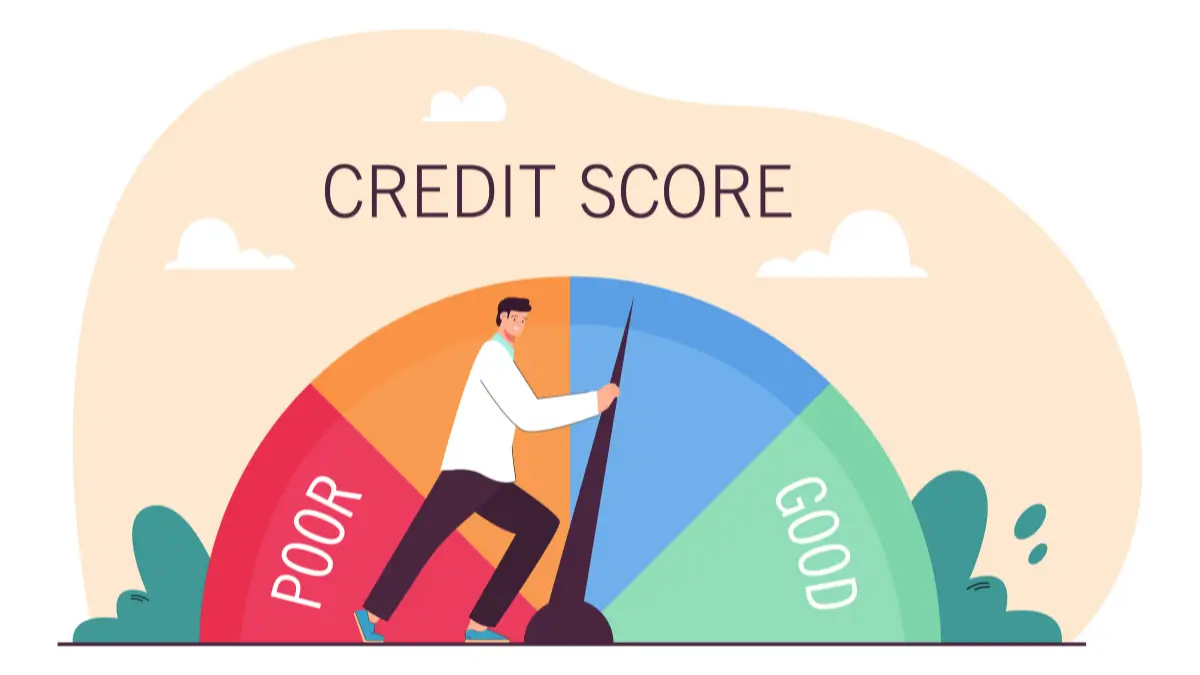
A credit score can affect whether South Africans qualify for home loans, vehicle finance, credit cards, store accounts and other forms of credit. While it is only one part of the approval process, lenders use it to assess how consumers manage debt and repayments.
For many households in Gauteng, where the cost of living remains high and access to finance often shapes major life decisions, understanding how credit scores work has become increasingly important.
A poor score may affect access to credit or result in higher borrowing costs, while a stronger score may improve the chances of approval for future applications.
ALSO READ: Over R1 Trillion Pledged: How 2026 Investment Conferences Could Reshape Gauteng’s Economy
What a Credit Score Actually Means
A credit score is a numerical summary of the information contained in a person’s credit report.
The score is designed to reflect how a consumer manages existing debt, including whether accounts are paid on time and how much credit is currently being used.
Credit providers use this information as part of their internal risk assessments when deciding whether to approve applications for loans or services.
A credit score does not automatically determine whether a person will receive credit. Lenders may also consider:
- Employment history
- Monthly income
- Affordability assessments
- Existing financial obligations
- The type of credit being requested
However, the score remains an important indicator of financial behaviour.
How Credit Scores Are Calculated
Credit scores are based on information recorded in a consumer’s credit report.
This can include:
- Payment history
- Outstanding debt
- Account balances
- Defaults or judgments
- The age of credit accounts
- Credit applications made over time
The information is processed through scoring models used by credit bureaus and financial institutions.
Generally, consumers who consistently pay accounts on time and manage debt responsibly are more likely to have stronger scores.
Those with missed payments, excessive debt or defaults may have lower scores.
Credit Score Ranges in South Africa
Credit scores in South Africa are calculated differently by each credit bureau, but they generally follow a similar structure where higher scores indicate lower risk.
Typical score groupings include:
| Score Band | Range |
|---|---|
| Excellent | 767 to 999 |
| Good | 681 to 766 |
| Favourable | 614 to 680 |
| Average | 583 to 613 |
| Below Average | 527 to 582 |
| Unfavourable | 487 to 526 |
| Poor | 0 to 486 |
Consumers with stronger scores may find it easier to qualify for credit or access more favourable lending terms.
Lower scores may indicate financial pressure or potential issues within a credit profile.
Why Your Credit Score Matters Before Applying for Finance
A credit score often becomes particularly important before major financial applications.
These may include:
- Home loans
- Vehicle finance
- Personal loans
- Credit cards
- Credit limit increases
A lower score could reduce the likelihood of approval or lead to higher interest rates and stricter lending conditions.
It may also highlight possible inaccuracies in a credit report, which consumers may need to investigate before applying for finance.
Financial experts say reviewing a credit report before submitting a major application can help consumers identify potential risks early.
Good Credit Can Support Long-Term Financial Goals
Credit can play an important role in helping consumers reach long-term goals when managed responsibly.
For some households, credit may assist with:
- Purchasing property
- Funding tertiary education
- Starting or expanding a business
- Managing large once-off expenses
Using credit responsibly can help build a positive repayment history over time.
However, experts warn that excessive borrowing or relying heavily on debt for day-to-day living expenses may place consumers under financial pressure.
When Credit Becomes Financial Risk
Credit becomes problematic when repayment obligations begin affecting a person’s ability to cover essential expenses.
This can happen when consumers:
- Borrow more than they can afford
- Miss repayments regularly
- Depend on loans for routine expenses
- Use credit for impulse spending
Late or missed payments may negatively affect a credit profile and remain visible in a credit report.
For many Gauteng residents already dealing with rising transport, food, housing and utility costs, unmanaged debt can quickly become difficult to sustain.
Steps Consumers Can Take to Manage Credit Better
Financial experts say effective credit management begins before taking on new debt.
Consumers are encouraged to:
- Understand exactly why they need credit
- Budget carefully for repayments
- Review the full cost of borrowing
- Monitor existing debt levels
- Pay accounts on time whenever possible
Checking a credit report regularly may also help consumers identify errors or signs of fraud that could affect future applications.
By law, South Africans are entitled to free access to portions of their credit information from registered credit bureaus.
What This Means for Gauteng Residents
For many Gauteng residents, a credit score can influence access to housing, transport, education and business opportunities.
A stronger credit profile may improve the likelihood of qualifying for finance, while a weaker score could limit borrowing options or increase the cost of credit.
This is particularly relevant in Gauteng’s urban economy, where many households rely on credit to manage major expenses and long-term investments.
Understanding how credit scores work may help consumers make more informed financial decisions before applying for loans or other forms of finance.
FAQ
What is a credit score?
A credit score is a numerical summary of information contained in a consumer’s credit report.
Does a credit score guarantee loan approval?
No. Lenders also consider affordability, income, employment history and other financial factors.
Can a poor credit score improve over time?
Yes. Responsible repayment behaviour and reducing debt may help improve a score over time.
Why should consumers check their credit reports?
Credit reports may contain information that affects applications for loans, finance or services.
Is all credit considered bad?
No. Credit can support financial goals when it is used responsibly and repayments remain affordable.
What Happens Next
Financial institutions and credit providers are expected to continue relying on credit scoring systems as part of their lending assessments.
Consumers planning to apply for major finance may increasingly review their credit reports in advance to identify possible issues that could affect approval outcomes.
Industry experts also expect financial literacy around credit management and debt awareness to remain an important topic as households continue navigating economic pressure and borrowing costs.
