




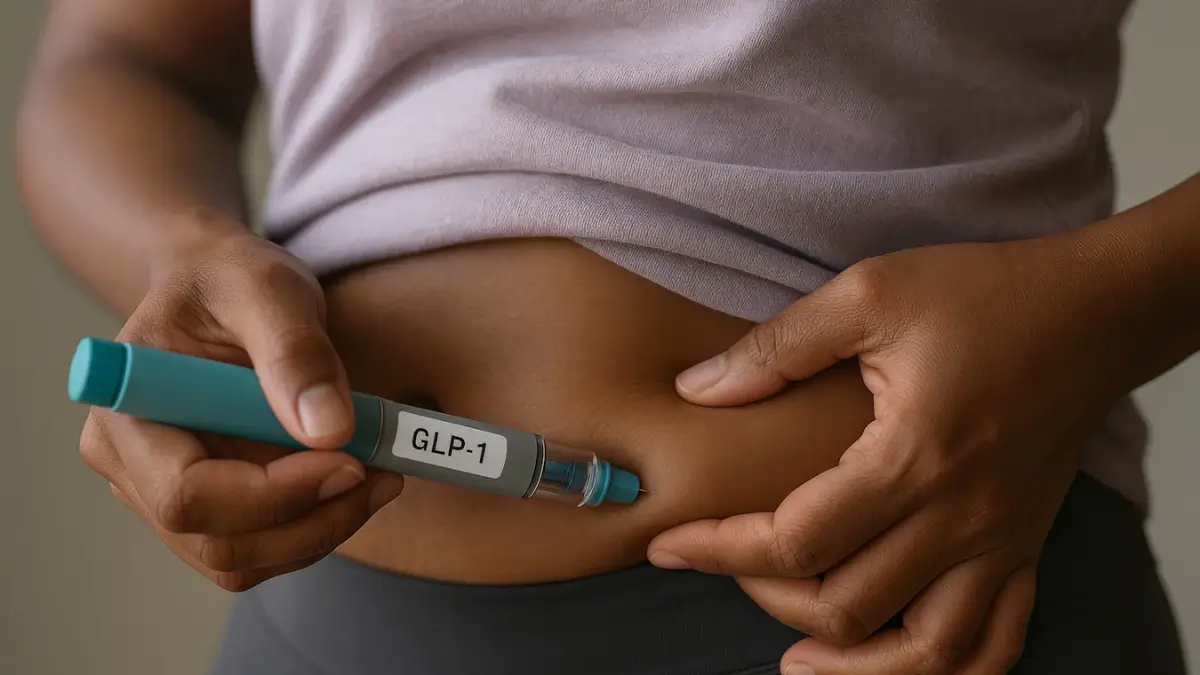
The use of GLP-1 medications such as Ozempic, Wegovy and Mounjaro is increasing across South Africa, as more patients turn to medical weight loss solutions and improved diabetes control. These drugs, originally developed for type 2 diabetes, are now widely used for obesity management, raising questions about how they work, what they contain and how they differ.
For Gauteng residents, where access to private healthcare is more available, demand is growing rapidly. However, experts stress that these medications are not interchangeable and require proper medical oversight.
ALSO READ: Flu Season 2026 Starts Early in Gauteng: Symptoms, Risks, and What To Expect
What GLP-1 Medications Contain and How They Work
GLP-1 drugs are based on active pharmaceutical ingredients that mimic a natural hormone in the body known as glucagon-like peptide-1.
Key active ingredients include:
- Semaglutide – used in Ozempic and Wegovy
- Liraglutide – used in Saxenda and Victoza
- Dulaglutide – used in Trulicity
- Tirzepatide – used in Mounjaro (targets both GLP-1 and GIP receptors)
These ingredients act on multiple systems in the body by:
- Increasing insulin release when blood sugar is high
- Slowing stomach emptying
- Reducing appetite signals in the brain
- Regulating blood sugar levels
This combination explains why patients often experience both improved glucose control and gradual weight loss.
How GLP-1 Medications are Used
Most GLP-1 medications are administered as injections, although some oral options exist internationally.
Typical usage includes:
- Weekly injections (Ozempic, Wegovy, Mounjaro)
- Daily injections (Saxenda, Victoza)
- Administered under the skin, usually in the abdomen or thigh
Treatment usually follows a structured approach:
- Start on a low dose
- Gradually increase dosage to reduce side effects
- Continue long term under medical supervision
Doctors emphasise that these are chronic treatments, not short term interventions.
Key Differences Between Popular GLP-1 Drugs
While often grouped together, these medications differ significantly in strength, purpose and outcomes.
1. Ozempic vs Wegovy
- Both contain semaglutide
- Ozempic is registered for diabetes
- Wegovy is specifically approved for weight loss
- Wegovy is typically prescribed at higher doses
2. Saxenda vs Wegovy
- Saxenda contains liraglutide and is taken daily
- Wegovy contains semaglutide and is taken weekly
- Wegovy generally produces greater weight loss in studies
3. Mounjaro vs traditional GLP-1s
- Mounjaro contains tirzepatide
- Targets both GLP-1 and GIP hormones
- Often linked to more significant weight loss results
4. Trulicity and Victoza
- Primarily used for diabetes management
- May support weight loss, but not always prescribed for that purpose
Who Qualifies for GLP-1 treatment
GLP-1 medications are prescribed based on medical criteria.
For weight loss:
- BMI of 30 or higher
- BMI of 27 or higher with related conditions
For diabetes:
- Poorly controlled blood sugar
- Presence of cardiovascular risk
- Obesity alongside diabetes
These are not intended for casual or cosmetic weight loss.
Costs and Access in South Africa
Access remains a major barrier.
Typical monthly costs:
- Between R1,200 and R5,000 or more
Medical aid coverage:
- Limited to diabetes in some cases
- Not covered for weight loss
Public healthcare access:
- Extremely limited
This has created a growing divide between those who can afford treatment and those who cannot.
Side Effects and Safety Considerations
Common side effects include:
- Nausea
- Bloating
- Diarrhoea or constipation
- Loss of appetite
Other considerations:
- Weight loss may include muscle loss
- Appetite returns after stopping treatment
- Weight regain is common without lifestyle changes
Health authorities have also warned about:
- Fake or unregulated GLP-1 products
- Online sales without prescriptions
Why Lifestyle Changes Remain Essential
Medical experts stress that GLP-1 drugs work best when combined with:
- Healthy eating
- Regular exercise
- Ongoing monitoring
Without this, long term results are difficult to maintain.
What This Means for Gauteng Residents
In Gauteng, demand for GLP-1 medications is rising as more people seek structured weight loss and diabetes treatment.
However:
- Access is largely private
- Costs remain high
- Awareness is increasing, but so are risks from unregulated products
The trend reflects broader health challenges, including rising obesity rates and gaps in public healthcare access.
Frequently Asked Questions
Are GLP-1 drugs the same?
No. They contain different active ingredients and vary in strength and purpose.
How quickly do they work?
Weight loss is gradual and usually occurs over several months.
Can you stop using them?
Yes, but weight regain is common without lifestyle support.
Are they safe long term?
They are generally safe under medical supervision, but long term obesity data is still developing.
Can I buy them online?
Only through licensed pharmacies with a prescription. Unregulated products may be unsafe.
What Happens Next
As demand grows, more GLP-1 medications are expected to enter the South African market, including expanded approvals for weight loss treatments.
Healthcare providers are calling for clearer funding models, stronger regulation and wider access to ensure safe use. At the same time, public awareness around both benefits and risks is expected to increase as these treatments become more widely discussed.
The next phase of this trend will likely focus on long term outcomes, affordability and how these medications fit into broader public health strategies.
