




Gauteng residents are preparing to observe Freedom Day on Monday, 27 April 2026, marking 32 years since South Africa’s first democratic elections. The public holiday will directly affect workers, families, commuters and businesses across Johannesburg, Tshwane and Ekurhuleni, particularly as it creates a long weekend. While the national event will take place in Bloemfontein, activity across Gauteng is expected to centre on local commemorations, increased travel, and visits to heritage sites tied to the province’s role in the anti apartheid struggle.
For Gauteng, Freedom Day is not only symbolic but highly localised, with many of the country’s key historical landmarks and population centres concentrated in the province.
ALSO READ: Africa Live Entertainment Conference Heads to Johannesburg With Focus on Industry Growth
Why Freedom Day Remains Rooted in Gauteng’s History
Although Freedom Day is a national observance, Gauteng holds a central place in the story it commemorates.
Johannesburg and surrounding areas were key sites during the anti apartheid struggle, with political movements, protests and organising efforts concentrated in townships such as Soweto and Alexandra.
The 1994 elections, which Freedom Day marks, saw millions of South Africans voting for the first time, including large voter turnouts across Gauteng’s urban centres. The outcome led to Nelson Mandela becoming the country’s first democratically elected president and marked the end of apartheid.
Freedom Day 2026 Theme and Its Relevance to Gauteng
The 2026 theme, “Freedom and the Rule of Law: Thirty Years of Democratic Citizenship,” places emphasis on constitutional rights and governance.
For Gauteng, this theme is particularly relevant:
- The province hosts major government institutions and courts
- It is home to a large, diverse and politically active population
- It remains a focal point for public debate on governance and service delivery
The theme signals a shift from reflection alone toward evaluating how democratic systems are functioning in everyday life.
Long Weekend Expected To Drive Movement `cross Gauteng
Because Freedom Day falls on a Monday in 2026, Gauteng is expected to experience increased movement over the three day weekend.
This typically includes:
- Heavy outbound traffic from Johannesburg and Pretoria
- Increased use of public transport networks
- Higher demand for accommodation and leisure activities
As the country’s economic hub, Gauteng often sees some of the highest travel volumes during public holidays, particularly along major routes connecting the province to neighbouring regions.
Local Ways Gauteng Residents Mark Freedom Day
While the national ceremony takes place in the Free State, most Gauteng residents observe Freedom Day locally.
Common activities across the province include:
- Visiting heritage sites such as the Apartheid Museum and Constitution Hill
- Attending local community events and commemorations
- Family gatherings and braais in parks and residential areas
- Participation in civic or cultural discussions
These localised observances reflect how the meaning of Freedom Day is carried into everyday life within communities.
Heritage Sites in Gauteng See Increased Activity
Freedom Day often leads to higher visitor numbers at key historical locations in Gauteng.
These include:
- Apartheid Museum in Johannesburg
- Constitution Hill in Braamfontein
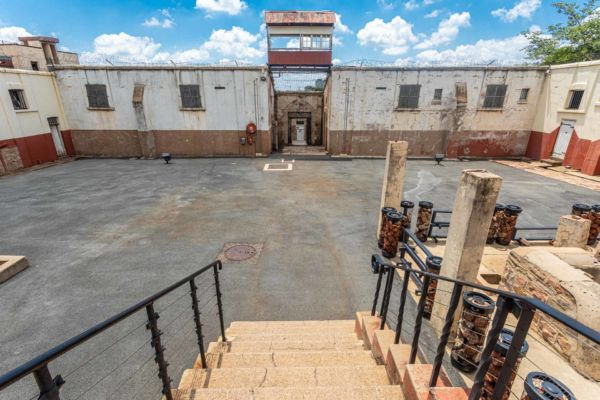
- Vilakazi Street in Soweto
These sites are closely linked to the country’s democratic transition and offer residents and visitors a way to engage with that history directly.
Freedom Month Keeps Gauteng At The Centre of National Reflection
Freedom Day forms part of Freedom Month, observed throughout April.
In Gauteng, this period is often marked by:
- Educational programmes in schools and institutions
- Public discussions on democracy and rights
- Cultural and heritage related events
Government uses the month to encourage reflection on South Africa’s democratic journey and to promote active citizenship.
What This Means for Gauteng Residents
Freedom Day 2026 will have both practical and symbolic implications for residents in Gauteng.
- The long weekend is likely to increase traffic congestion and travel activity
- Public spaces and heritage sites may experience higher demand
- The national theme may shape conversations around governance and rights
For many, the day serves as both a public holiday and a moment to reflect on the province’s role in shaping South Africa’s democracy.
Freedom Day 2026: FAQ
When is Freedom Day in 2026?
Monday, 27 April 2026.
Why is Freedom Day important in Gauteng?
The province played a central role in the anti apartheid struggle and democratic transition.
What is the 2026 theme?
“Freedom and the Rule of Law: Thirty Years of Democratic Citizenship.”
Where will most Gauteng residents celebrate?
At local events, heritage sites and community gatherings.
Is Freedom Day a public holiday?
Yes, it is observed nationwide.
What Happens After Freedom Day in Gauteng
After the public holiday, attention is expected to return to how the themes of Freedom Month translate into everyday governance and civic life.
In Gauteng, where political, economic and social activity is highly concentrated, the impact of these discussions is often more visible.
As the province marks another Freedom Day, the focus remains on how its history continues to shape present day realities – and how those freedoms are experienced across its communities.
