




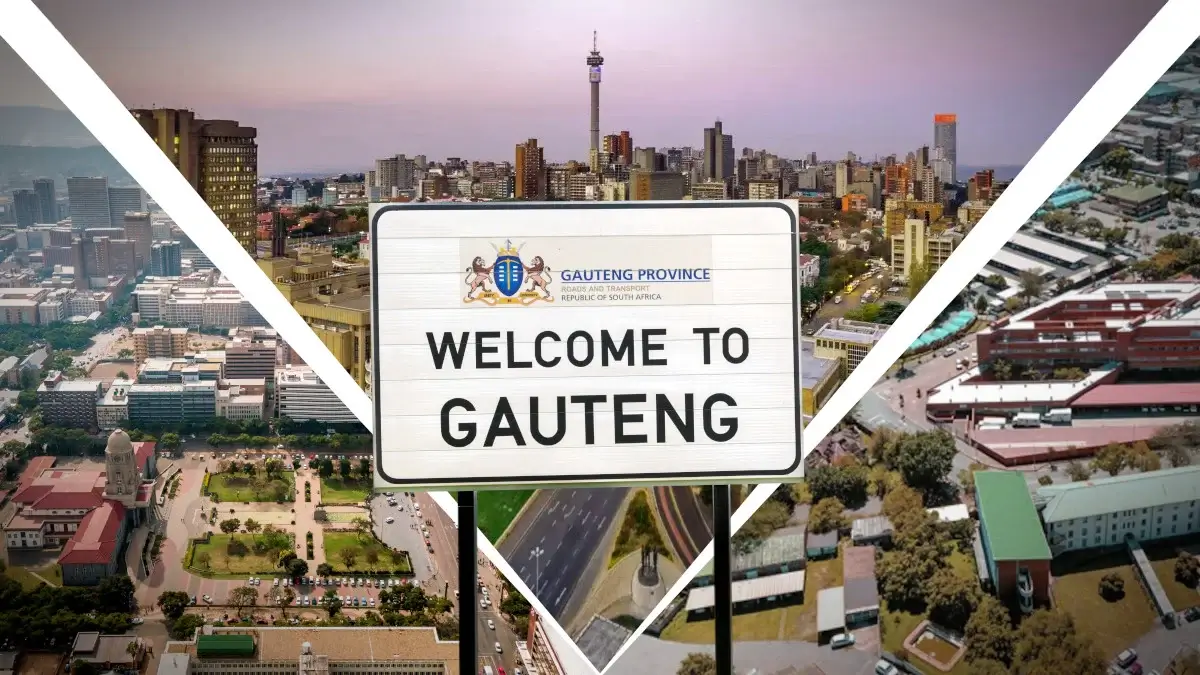
Gauteng’s position as South Africa’s economic hub has been reinforced following the conclusion of the Gauteng Investment Conference 2026 (GIC 2026) and the South Africa Investment Conference 2026 (SAIC 2026), where combined investment pledges exceeded R1 trillion. The two investment conferences, held at provincial and national level, are expected to influence job creation, infrastructure rollout and industrial development across Gauteng.
The conferences affect businesses, workers and communities across the province, as government shifts focus from securing investment commitments to delivering projects on the ground. With Gauteng accounting for a significant share of national economic activity, the real impact will depend on how quickly these pledges translate into implementation.
ALSO READ: Beyond The Soweto Derby: The Culture, History, and Energy of Johannesburg
Two Conferences, One Economic Direction
The Gauteng Investment Conference and the South Africa Investment Conference serve different but aligned roles within South Africa’s economic strategy.
At a provincial level, GIC 2026 focused on:
- Converting investment interest into projects within Gauteng
- Supporting infrastructure development and industrial growth
- Positioning the province as a sub-national investment hub
At a national level, SAIC 2026 aimed to:
- Attract both local and international investment
- Strengthen South Africa’s global competitiveness
- Advance long-term economic reform and industrialisation
Together, the conferences form part of a broader strategy to mobilise capital and stimulate economic growth.
Investment Figures Highlight Scale of Commitments
The scale of investment pledged across both conferences reflects sustained interest in Gauteng and South Africa as investment destinations.
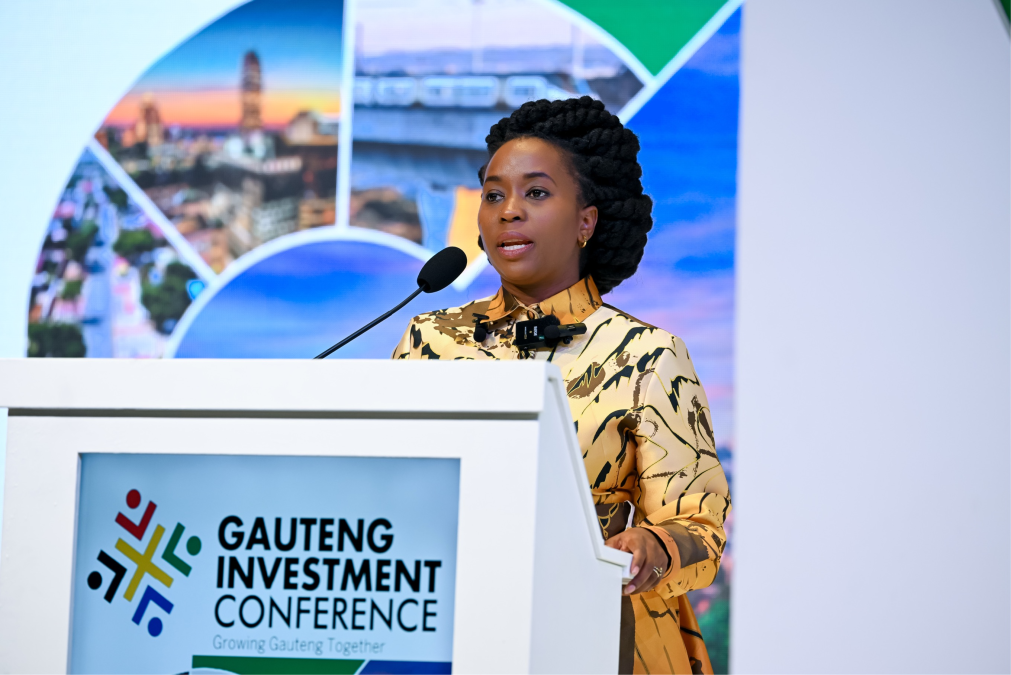
Gauteng Investment Conference 2026
- R205.6 billion secured in new pledges
- Combined with 2025, over R518 billion attracted in two years
- Target of R800 billion over three years
South Africa Investment Conference 2026
- R889.8 billion pledged in 2026 alone
- Total of R2.4 trillion pledged since 2018
- Over R600 billion already in implementation stages
These figures indicate a continued pipeline of investment, although delivery timelines remain a key factor.
Key Sectors Driving Investment in Gauteng
Investment commitments are concentrated in sectors considered critical to economic growth and infrastructure expansion.
Major sectors include:
- Transport and logistics: approximately R60 billion
- Property development: approximately R42.9 billion
- Infrastructure projects: approximately R33.5 billion
- Energy: approximately R22.4 billion
- Manufacturing: approximately R14.4 billion
These sectors are linked to long-term development goals, including industrialisation and improved connectivity.
Shift From Pledges to Implementation
While investment pledges are significant, the focus is now shifting to execution.
Authorities have indicated that:
- Project implementation is the next critical phase
- Delays in infrastructure delivery remain a risk
- Monitoring systems are required to track progress
Previous investment cycles have shown that not all pledged investments are realised immediately, making execution timelines central to economic impact.
Gauteng’s Role as An Economic Hub
Gauteng continues to serve as the primary entry point for investment into South Africa.
The province:
- Contributes a large share of national GDP
- Hosts key financial, industrial and logistics infrastructure
- Serves as a gateway to regional African markets
Investment activity in Gauteng has a multiplier effect, influencing supply chains, employment and economic output across the country.
Job Creation Expectations and Economic Impact
Investment commitments are expected to support job creation across multiple sectors.
Estimates indicate:
- Over 100 000 jobs could be created
- Employment linked to infrastructure, construction and manufacturing
- Indirect job creation through supply chains and service sectors
However, job creation will depend on the pace of project rollout and economic conditions.
Challenges Affecting Delivery
Despite strong investment commitments, several challenges may affect implementation.
These include:
- Infrastructure delivery delays
- Budget constraints
- Regulatory and approval processes
- Economic uncertainty
Authorities have acknowledged that coordination between national and provincial structures will be critical to overcoming these challenges.
What This Means for Gauteng Residents
The outcomes of the investment conferences are expected to influence daily life in Gauteng over time.
For residents, this may mean:
- Increased employment opportunities in key sectors
- Expansion of infrastructure such as transport and housing
- Growth in industrial and commercial activity
- Potential improvements in service delivery linked to new projects
However, these benefits are dependent on how effectively projects are implemented and completed.
Long-term Economic Implications
The combined impact of GIC 2026 and SAIC 2026 reflects a long-term strategy to strengthen economic growth.
The conferences indicate:
- Continued investor confidence in Gauteng and South Africa
- A shift towards infrastructure-led development
- Increased focus on industrialisation and job creation
Gauteng’s ability to convert investment into tangible outcomes will shape its economic trajectory in the coming years.
FAQ: Gauteng and SA Investment Conferences
What is the Gauteng Investment Conference?
A provincial platform aimed at securing and implementing investment projects within Gauteng.
What is the South Africa Investment Conference?
A national initiative focused on attracting large-scale domestic and international investment.
How much investment was pledged in 2026?
Over R1 trillion combined across both conferences.
Which sectors received the most investment?
Transport, infrastructure, property development, energy and manufacturing.
Will this create jobs immediately?
Job creation will depend on how quickly projects move from planning to implementation.
What Happens Next
Following the conferences, attention will shift to project implementation and monitoring. Government and stakeholders are expected to track progress on pledged investments, with updates likely as projects move into construction and operational phases.
The long-term impact of these investments will depend on delivery timelines, coordination across sectors and the broader economic environment in Gauteng and South Africa.
