




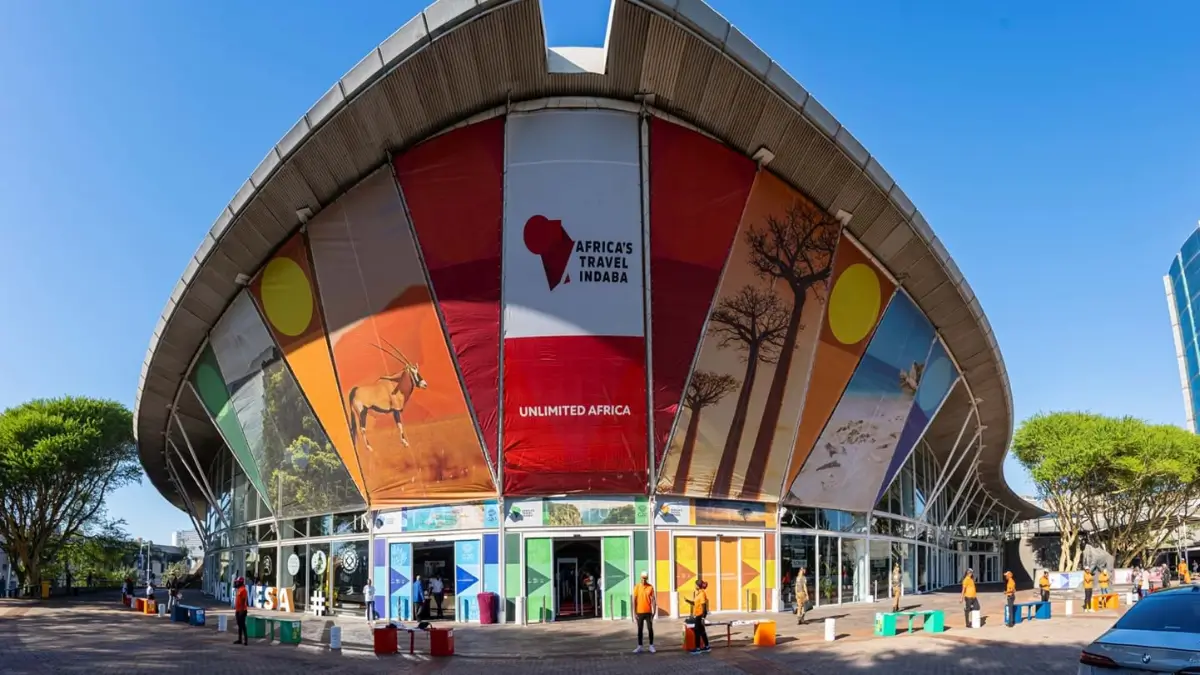
The Gauteng Tourism Authority has announced its official theme for Africa’s Travel Indaba 2026, positioning the province as “Africa’s Bleisure Powerhouse.” The strategy is being rolled out at Stand DEC1L01 at the Durban ICC, where Gauteng is presenting a unified tourism offering to international buyers, investors, and media.
Officials say the approach marks a shift from fragmented destination marketing to a single, integrated system aimed at driving bookings, trade deals, and investment. The campaign, titled “One Pavilion. One Story.”, brings together municipalities, tourism operators, and small businesses under one platform.
The move comes as Gauteng seeks to strengthen its share of Africa’s tourism economy by converting business travel into extended leisure stays, increasing visitor spend, and improving market competitiveness.
ALSO READ: From KUNYE to the World: Gauteng’s Creative Economy Takes Focus at Travel Indaba 2026
“One Pavilion. One Story.” Anchors Gauteng’s Strategy
At the centre of Gauteng’s presence at Travel Indaba is a consolidated pavilion model designed to present the province as a single destination system.
Located within Hall DEC1 at the Durban ICC, the Gauteng Pavilion spans 238 square metres and serves as a hub for:
- Trade engagements
- Media activity
- Tourism product showcasing
- Investment discussions
According to officials, the “One Pavilion. One Story.” concept is intended to remove fragmentation in how Gauteng is marketed internationally. Instead of multiple competing brands, stakeholders are aligned under one narrative.
This includes a unified:
- Destination sales message
- Brand identity
- Visitor experience positioning
The goal is to present Gauteng as a coherent, deal-ready destination rather than a collection of individual attractions.
Bleisure Positioning Targets Global Travel Trends
Gauteng’s ATI 2026 theme centres on the concept of “Bleisure,” which combines business and leisure travel.
Officials say the strategy is designed to leverage Gauteng’s role as Africa’s leading business hub, encouraging visitors to extend their stays beyond meetings and conferences.
Key components of this positioning include:
- Proximity between business districts and leisure attractions
- Access to cultural, entertainment, and lifestyle experiences
- Integrated transport systems supporting mobility
According to tourism authorities, the Bleisure model aims to increase:
- Length of stay
- Visitor spending
- Repeat travel
This approach aligns with global travel trends, where business travellers are increasingly combining work trips with leisure experiences.
ATI 2026 Positioned as a Trade and Investment Platform
Africa’s Travel Indaba remains one of the continent’s largest tourism trade shows, with significant participation expected in 2026.
According to organisers, the event includes:
- More than 690 buyers from local and international markets
- Over 1,300 exhibitors
- Participation from more than 25 African countries
For Gauteng, officials say the event is not only a tourism showcase but also a platform to secure commercial outcomes.
The province’s objectives include:
- Repositioning Gauteng as a leading Bleisure destination
- Securing high-value trade engagements
- Expanding tourism packages and offerings
- Increasing MSME participation
- Strengthening global media visibility
- Building long-term investment partnerships
Officials say success will be measured by conversion, including confirmed bookings and trade agreements.
Seven Strategic Pillars Define Gauteng’s Offering
Gauteng’s ATI 2026 strategy is structured around seven pillars that collectively define its tourism and economic positioning.
These include:
1. Destination Branding
Creating a unified identity that positions Gauteng as Africa’s leading city-region destination.
2. Trade and Commercial Growth
Focusing on converting business engagements into bookable tourism products.
3. Media and Communications
Expanding visibility through digital platforms, broadcast media, and live content production.
4. Stakeholder Alignment
Bringing together municipalities, tourism bodies, and private sector partners under one strategy.
5. Integrated Mobility and Infrastructure
Highlighting systems such as Gautrain, PRASA rail, and airport connectivity.
6. Sports, Culture and Creative Economy
Leveraging events, music, film, and entertainment to drive tourism demand.
7. Safety and Visitor Readiness
Strengthening tourism confidence through security measures and visitor support systems.
Officials say these pillars are designed to function as an interconnected system rather than separate focus areas.
Gauteng Tourism Authority Positioned as an Economic Driver
Gauteng’s strategy places tourism within a broader economic framework, linking it to infrastructure, investment, and industry growth.
Key areas being highlighted at ATI 2026 include:
- Integrated mobility: Gautrain, PRASA, OR Tambo International Airport, and Lanseria developments
- Sports tourism: FIFA 2026, the 2027 Cricket World Cup, and golf tourism initiatives
- Creative industries: Music, film, and cultural experiences
- Visitor readiness: Safety infrastructure including CCTV and tourism wardens
Officials say this integrated approach positions tourism as a driver of economic activity rather than a standalone sector.
High-Impact Programme Focuses on Engagement
Gauteng’s ATI 2026 programme includes a range of engagements designed to facilitate trade and media interaction.
These include:
- Networking and supplier matchmaking sessions
- Trade meetings with buyers
- Live interviews and content production
- Podcast recordings and digital storytelling
- Investment and infrastructure discussions
The programme also features participation from senior officials, including provincial leadership and tourism executives, who are expected to engage directly with stakeholders.
According to organisers, these engagements are structured to move participants from awareness to business outcomes.
What This Means for Gauteng Residents
Gauteng’s tourism strategy has direct implications for residents, particularly in terms of economic opportunity and local participation.
According to officials, the approach is expected to:
- Create employment opportunities in tourism and related sectors
- Expand access for small businesses to international markets
- Increase demand for local services and infrastructure
The inclusion of SMMEs as active participants in the tourism ecosystem may also contribute to more inclusive economic growth.
Officials say the long-term aim is to ensure that tourism benefits are distributed across communities.
FAQ: Gauteng’s ATI 2026 Strategy
What is “Bleisure” tourism?
It refers to combining business travel with leisure activities, encouraging longer stays.
What is the “One Pavilion. One Story.” concept?
It is a unified marketing approach presenting Gauteng as a single destination system.
What is Gauteng aiming to achieve at ATI 2026?
According to officials, the focus is on securing trade deals, bookings, and investment.
Who is involved in the Gauteng Pavilion?
Government, tourism operators, small businesses, and private sector partners.
How does this affect local businesses?
SMMEs are included as active participants, gaining access to international buyers.
What Happens Next
Gauteng’s participation at Africa’s Travel Indaba 2026 is expected to lead to follow-up engagements with buyers, investors, and media partners in the coming months.
Officials say the next phase will focus on converting interest generated at the event into confirmed bookings, trade agreements, and long-term partnerships.
Performance data from ATI 2026 is expected to inform future tourism strategies, particularly in refining Gauteng’s Bleisure positioning and improving conversion outcomes.
Tourism authorities have indicated that continued collaboration between public and private stakeholders will remain central to sustaining growth in the province’s tourism sector.
