




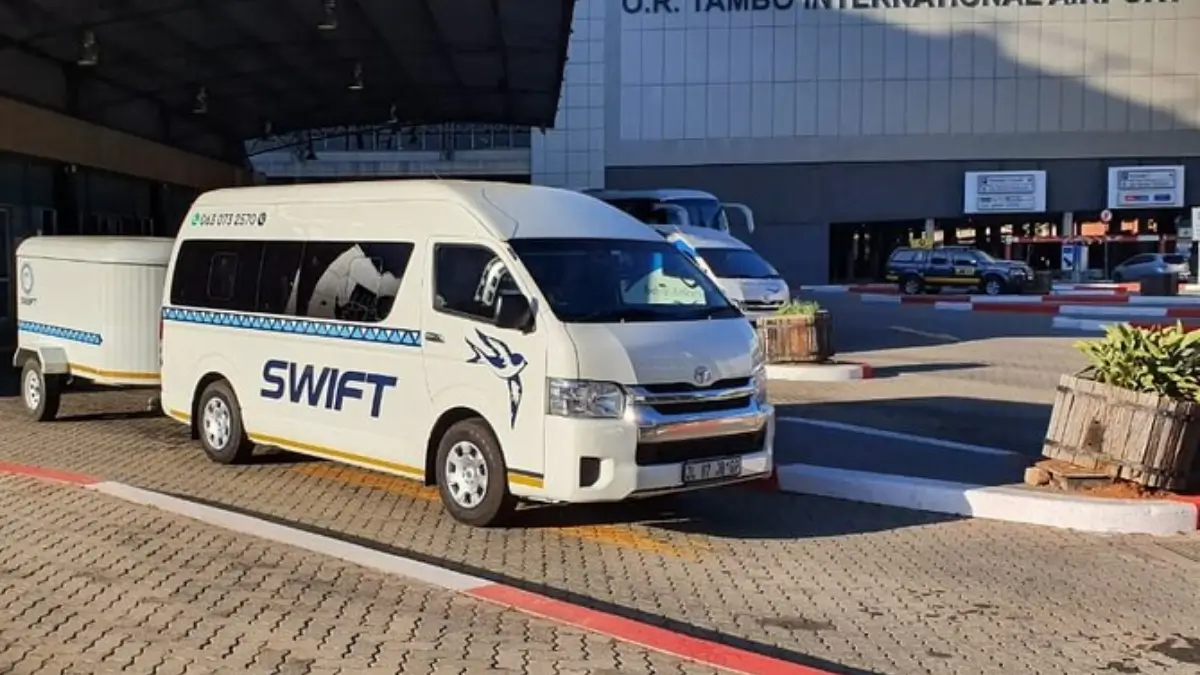
The Department of Transport has published proposed changes to South Africa’s tourist transport rules, including requirements for operating licences, accreditation, insurance and vehicle documentation. Gauteng tourism operators and other stakeholders have been invited to review the draft National Land Transport Regulations, with the tourism stakeholder communication setting 9 November 2026 as the deadline for comments. The proposals matter to businesses providing tourist transport because they set out how operators could apply for accreditation and licences, what documents would be required and the conditions that could apply to vehicles carrying tourists.
The draft amendments were published in Government Gazette No. 55431 on 25 September 2026 under the National Land Transport Act, 2009.
The regulations are not yet final. They have been published for public comment, giving affected stakeholders an opportunity to submit input before the process is completed.
ALSO READ: SATOVITO Welcomes New South African Tourism Board And Calls For Practical Tourism Support
What Are The New Tourist Transport Rules?
The Department of Transport is proposing amendments to the National Land Transport Regulations, which govern several administrative and licensing processes within South Africa’s land transport system.
The regulations cover processes involving the National Public Transport Regulator, Provincial Regulatory Entities, and other structures responsible for public transport licensing.
For the tourism industry, several of the proposed amendments deal specifically with the accreditation of tourist transport operators and operating licences for vehicles used to provide tourist transport services.
The draft also covers application procedures, documentation, insurance requirements and the processing of tourist transport operating licences.
Every Tourist Transport Vehicle Would Need A Valid Licence
One of the key proposals concerns the licensing of vehicles used for tourist transport.
Under the proposed Regulation 36, a person may not operate a vehicle for tourist transport services on a public road without a valid tourist transport operating licence.
A valid licence would be required for each vehicle used to provide tourist transport services.
Applications could be made by operators who are already accredited as tourist transport operators.
The proposed regulations would also allow an operator to apply for a tourist transport operating licence at the same time as applying for accreditation.
Accredited operators could apply for operating licences for multiple vehicles, and those applications would not have to be submitted simultaneously.
What Operators Would Need To Apply For A Licence
The proposed tourist transport rules set out several documents that applicants would have to submit to the National Public Transport Regulator.
These include:
• A completed Form 5AA
• Proof of registration and licensing for each vehicle
• A valid and current roadworthy certificate for each vehicle
• Proof of payment of the required application fee
• Proof of third party insurance
• Proof of passenger liability insurance or personal accident cover for each vehicle
Operators who are already accredited would also need to include a copy of their accreditation certificate when applying for each tourist transport operating licence.
Applicants who have already applied for accreditation but are still waiting for a decision would need to include their application reference number or receipt number.
How Tourist Transport Licence Applications Could Change
The proposals also set out how applications for tourist transport operating licences would be processed.
When an application is received, an authorised official of the National Public Transport Regulator would verify the validity and authenticity of the documents and information submitted using eNaTIS.
Copies of documents that can be verified on eNaTIS would not need to be certified.
The same would apply to documents issued by the National Public Transport Regulator, Companies and Intellectual Property Commission and South African Revenue Service.
Where an applicant meets the requirements, the proposed regulations state that an authorised official must issue the operating licence within 10 working days of the application being made, subject to all granting requirements and applicable conditions being met.
Insurance And Passenger Rules Are Also Proposed
The National Public Transport Regulator could attach several conditions to a tourist transport operating licence under the draft regulations.
One proposed condition would require all passengers in a licensed vehicle to be protected by valid passenger liability insurance or personal accident insurance.
Proof of that insurance would have to remain in the vehicle.
The proposed rules also state that passengers using a vehicle licensed for tourist transport may not be collected at ranking facilities reserved for minibus taxi services.
Shuttle or transfer services would not be permitted under the licence unless they are provided as part of a tourist service.
A tourist transport operating licence could also be reviewed after it has been issued.
Accreditation Could Also Change
The draft regulations propose changes to the accreditation process for tourist transport operators.
When the National Public Transport Regulator receives a first application for accreditation, it would have to refer the application to any relevant tourism authority recognised by the Minister.
That tourism authority would have 14 days after receiving the notice to submit its response.
If the authority does not respond within that period, the regulator would proceed with deciding the application without the response.
The National Public Transport Regulator would also have to publish notice of first applications for tourist transport accreditation in the Government Gazette.
The notice would state the name and address of the applicant and any other information considered relevant.
Applications to renew existing accreditation would not have to be published in the Government Gazette.
Other Land Transport Changes Are Being Proposed
The draft amendments are broader than tourist transport and include changes affecting other parts of the land transport regulatory system.
Among the proposals are changes to how applications can be submitted.
Applications to the National Public Transport Regulator could be submitted by hand, email or post. Where an application is sent by email, scanned versions of the required documents would need to be included.
The draft also proposes removing references to fax communication from several administrative processes.
Other amendments deal with scheduled services, minibus taxi services, charter services and the consideration of specified criminal convictions when applications for operating licences are assessed.
What This Means For Gauteng Residents
For Gauteng’s tourism sector, the consultation gives tourist transport operators an opportunity to examine proposed rules that could directly affect their licensing and accreditation processes.
Businesses that provide tourist transport services should pay particular attention to the proposals covering individual vehicle licences, roadworthy certificates, insurance, accreditation and application requirements.
The proposals are also relevant to people using tourist transport services because they include requirements concerning vehicle roadworthiness and passenger insurance.
The regulations remain in draft form. The current process allows affected businesses, tourism stakeholders and other interested parties to comment before the regulations are finalised.
How To Comment On The Proposed Tourist Transport Rules
Tourism stakeholders have been asked to review the draft regulations and submit their input within the prescribed period.
Comments can be submitted to the Department of Transport at:
The communication circulated to tourism managers states that comments are due by 9 November 2026.
Stakeholders considering making submissions should review the proposed amendments that apply to their operations and provide their comments before the deadline.
Frequently Asked Questions
What Tourist Transport Rules Are Being Proposed?
The Department of Transport has published draft amendments covering tourist transport accreditation, operating licences, application procedures, insurance and vehicle requirements.
Does Every Tourist Transport Vehicle Need Its Own Licence?
Under the proposed Regulation 36, a valid tourist transport operating licence would be required for each vehicle used for tourist transport services.
What Documents Would Operators Need?
The proposed requirements include Form 5AA, proof of vehicle registration and licensing, a current roadworthy certificate, proof of the application fee and specified insurance cover.
Are The New Tourist Transport Rules Already In Effect?
The amendments have been published in draft form for public comment. They should therefore not be treated as final requirements at this stage.
When Is The Deadline For Public Comments?
Tourism stakeholders have been asked to submit comments by 9 November 2026 to [email protected].
What Tourism Operators Should Know Before 9 November
The public participation process gives Gauteng tourism operators an opportunity to examine the proposed changes before the regulations are finalised.
For tourist transport businesses, some of the most relevant proposals concern accreditation, individual operating licences for vehicles, roadworthy certificates, insurance requirements and the processing of applications.
Operators and other interested stakeholders who want their views considered should submit comments to the Department of Transport by 9 November 2026.
