




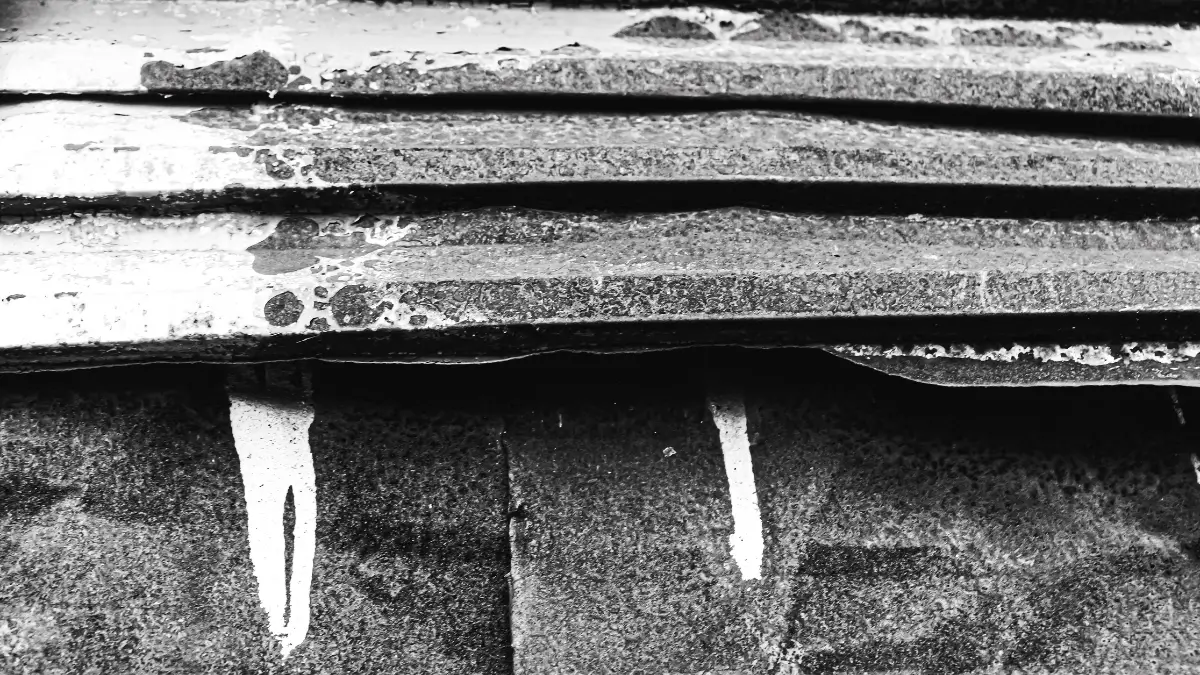
Residents in Merafong on Gauteng’s West Rand continue to live in homes fitted with asbestos roofing, despite the material being banned more than a decade ago. Communities in Khutsong and Kokosi are among those affected, with civil society groups warning that prolonged asbestos exposure places families at risk of serious health conditions.
Health authorities say asbestos exposure can lead to chronic illness, including cancer, while local organisations report that little progress has been made to remove the material. The situation raises concerns about enforcement of regulations and the pace of government intervention in Gauteng’s vulnerable communities.
ALSO READ: Malaria Deaths Rise in Gauteng as Cases Surge in Early 2026
Asbestos Exposure Linked to Serious Health Risks
Asbestos is a hazardous mineral fibre that becomes dangerous when disturbed, releasing microscopic particles into the air.
According to the National Institute for Occupational Health:
- Fibres can be inhaled and remain lodged in the lungs or abdomen
- Exposure can cause chronic inflammation and scarring
- Long-term exposure is linked to life-threatening diseases, including cancer
Experts warn that there is no safe level of prolonged exposure, particularly in residential environments where materials degrade over time.
Health Effects of Asbestos Exposure: Symptoms and Treatment
Medical experts note that asbestos-related illnesses often take years to develop, making early detection difficult.
Diseases linked to asbestos exposure
- Asbestosis: scarring of lung tissue that affects breathing
- Mesothelioma: a rare cancer affecting the lining of the lungs or abdomen
- Lung cancer: risk increases with long-term exposure
- Pleural disease: thickening or fluid around the lungs
Symptoms to watch for
Early symptoms:
- Persistent cough
- Shortness of breath
- Chest discomfort
- Fatigue
Advanced symptoms:
- Severe breathing difficulty
- Ongoing chest pain
- Unexplained weight loss
- Swelling in the upper body
Diagnosis and treatment
Diagnosis typically includes imaging tests and lung function assessments. In some cases, biopsies may be required.
There is no cure for asbestos-related diseases, but treatment focuses on managing symptoms:
- Medication to ease breathing and inflammation
- Oxygen therapy in advanced cases
- Pulmonary rehabilitation
- Cancer treatments such as chemotherapy or surgery
Health experts emphasise that early screening can improve outcomes.
Communities in Khutsong and Kokosi Identified as High-risk Areas
Civil society group One Merafong Organisation has identified multiple affected households.
According to spokesperson Buti Mthembu:
- At least 150 homes in Khutsong have asbestos roofing
- Additional homes in Kokosi are also affected
- Many residents cannot afford to replace the roofing
The organisation is continuing to map affected areas to support a broader intervention strategy.
Calls for Urgent Government Action Intensify
Community leaders say enforcement of existing laws has been inconsistent.
Mthembu said:
- Asbestos roofing was banned in Gauteng in 2008
- Residents remain exposed despite the ban
- The situation poses a long-term health threat
He described the continued presence of asbestos roofing as a serious concern requiring immediate intervention.
Screening and Health Support Demanded for Residents
Advocacy groups are calling for both infrastructure and health responses.
Key demands include:
- Medical screening for exposed residents
- Monitoring for asbestos-related illnesses
- Access to healthcare support
Organisations argue that early detection is critical, given the delayed onset of symptoms.
Historical Housing Projects Still Contributing to The Problem
Many of the affected homes were built during early housing programmes.
In several cases:
- RDP houses constructed in the 1990s used asbestos roofing
- Replacement programmes have not been fully implemented
- Materials have deteriorated over time, increasing exposure risk
This has left communities dealing with the long-term consequences of past construction practices.
Infrastructure Delivery Challenges Slowing Progress
Efforts to replace asbestos roofing have been affected by multiple challenges.
Authorities have cited:
- Budget constraints
- Delays in project delivery
- Infrastructure planning gaps
- Maintenance backlogs
These factors have slowed the removal and replacement of hazardous materials in affected areas.
Government Commitments and Gaps in Delivery
Government has previously acknowledged the risks associated with asbestos.
A provincial statement indicated that:
- Asbestos roofing would be phased out
- The material is considered a serious health hazard
However, residents and advocacy groups say progress has been uneven, with many communities still waiting for intervention.
What This Means for Gauteng Residents
The situation in Merafong reflects broader challenges linked to ageing infrastructure and uneven service delivery across Gauteng.
For residents, this means:
- Continued exposure to hazardous materials in some communities
- Limited access to safe housing conditions
- Increased pressure on public health services
The issue highlights the need for coordinated responses between housing, health and infrastructure authorities.
FAQ: Asbestos Exposure in Gauteng
What is asbestos and why is it dangerous?
Asbestos is a mineral fibre that can cause serious health conditions when inhaled, including lung disease and cancer.
Where are affected communities located?
Areas in Merafong, including Khutsong and Kokosi, have been identified as high-risk.
Is asbestos banned in Gauteng?
Yes, asbestos roofing has been banned since 2008 due to health risks.
What symptoms should residents watch for?
Persistent cough, breathing difficulties, chest pain and fatigue are among the early warning signs.
Is there treatment available?
While there is no cure, treatment focuses on managing symptoms and improving quality of life.
What Happens Next
Community organisations are expected to continue documenting affected homes and pushing for intervention, while pressure on authorities to enforce existing regulations is likely to increase.
Further updates are expected as government departments assess the scale of asbestos exposure and consider responses to address both infrastructure and public health risks in Gauteng.
