




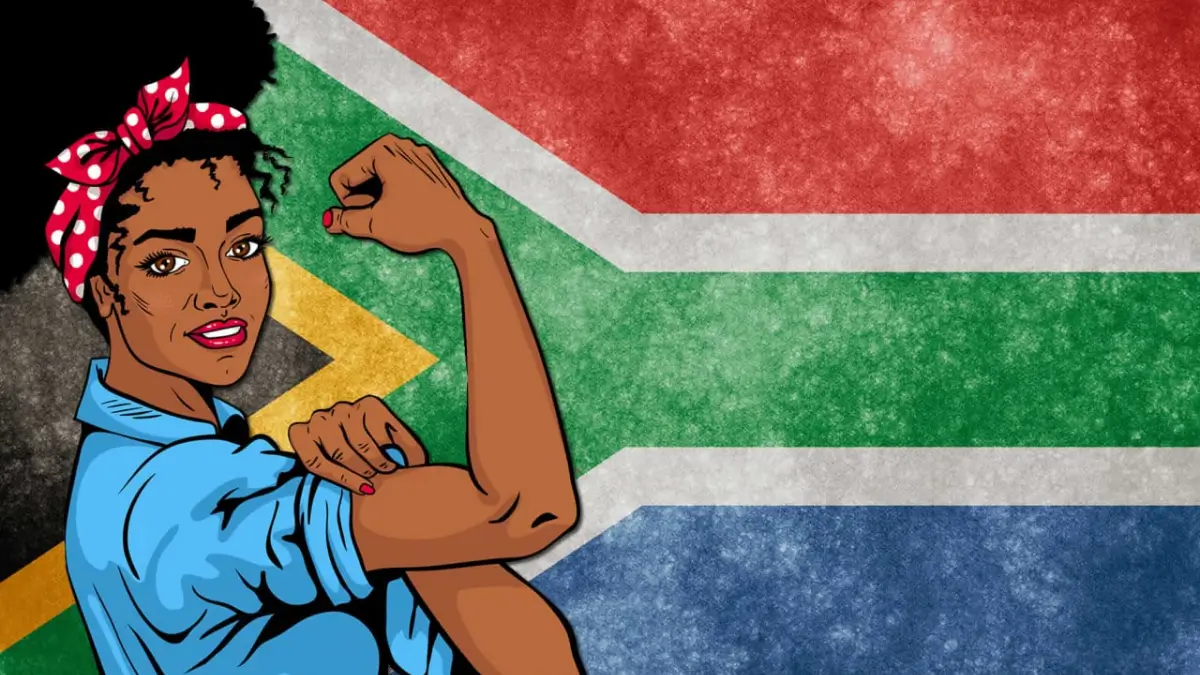
National Women’s Day on Saturday 9 August 2026 offers Gauteng residents and visitors an opportunity to explore some of South Africa’s most significant heritage sites while reflecting on the women who shaped the country’s history. Several major attractions across Johannesburg and Pretoria will commemorate the day, with Constitution Hill and the Apartheid Museum offering free entry to South African visitors, while the Union Buildings remain free to visit throughout the year. These landmarks preserve the stories of the 1956 Women’s March and the generations of women who fought for equality, justice and democracy.
For families looking for a meaningful outing, these sites combine history, education and culture, making them ideal destinations during the Women’s Day long weekend.
ALSO READ: What’s On This Month: Event Guide | Women’s Month Events in Gauteng
Why National Women’s Day is celebrated
National Women’s Day commemorates the historic march on 9 August 1956, when more than 20,000 women from across South Africa gathered at the Union Buildings in Pretoria to protest against the extension of pass laws to Black women.
Led by Lilian Ngoyi, Helen Joseph, Rahima Moosa and Sophia Williams De Bruyn, the women delivered petitions containing more than 100,000 signatures before standing in silence for 30 minutes.
The march ended with the powerful words that continue to define Women’s Day today.
“Wathint’ Abafazi, Wathint’ Imbokodo.”
The phrase translates to “You strike a woman, you strike a rock” and remains one of South Africa’s most recognised symbols of resilience.
1. Union Buildings
The Union Buildings remain one of the country’s most important Women’s Day landmarks because they were the destination of the historic 1956 march.
Visitors can walk through the gardens, view the amphitheatre and stand where thousands of women peacefully protested against discriminatory laws.
The grounds also offer panoramic views across Pretoria, making them one of Gauteng’s most visited public spaces.
Entry fee
Free
Opening hours
Daily during daylight hours
Why visit
The Union Buildings provide a direct connection to one of the defining moments in South African history and remain an important place of remembrance every National Women’s Day.
2. Constitution Hill Human Rights Precinct
Located in Johannesburg, Constitution Hill tells the story of South Africa’s journey from oppression to democracy.
The former prison complex housed the notorious Women’s Jail, where many prominent activists were imprisoned, including Winnie Madikizela Mandela, Albertina Sisulu, Fatima Meer and others who challenged apartheid.
Today, the site is home to the Constitutional Court and serves as a museum dedicated to human rights.
South African visitors can enjoy free entry on National Women’s Day.
Entry fee
Free on 9 August
Regular prices range from R150 to R250 depending on the tour option.
Opening hours
Daily from 09:00 until 17:00
Why visit
The Women’s Jail offers a powerful reminder of the sacrifices made by women during South Africa’s liberation struggle.
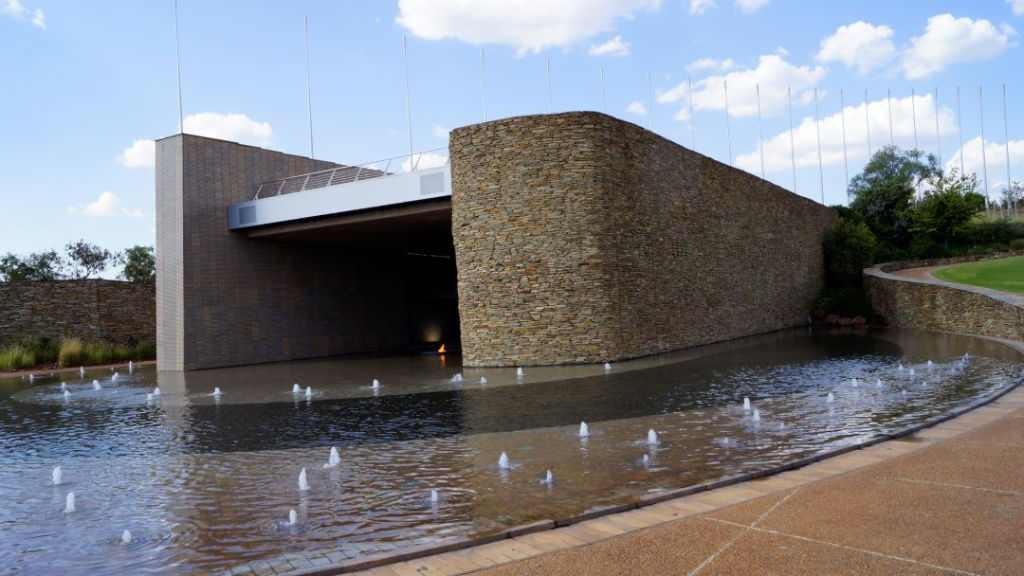
3. Freedom Park
Situated on Salvokop Hill in Pretoria, Freedom Park honours thousands of South Africans who contributed to the country’s freedom.
Its Wall of Names commemorates individuals who lost their lives during conflicts and liberation struggles, including many women whose contributions were often overlooked.
The park also celebrates South Africa’s diverse cultures, traditions and shared history.
Entry fee
South African adults: R80
Children, students and pensioners: R55
International adults: R160
Opening hours
Daily from 08:30 until 16:00
Why visit
Freedom Park offers visitors an opportunity to reflect on the role women played in shaping modern South Africa while enjoying one of Pretoria’s most significant heritage attractions.
4. Apartheid Museum
The Apartheid Museum remains one of South Africa’s leading museums documenting the country’s past.
Its exhibitions explore the rise and fall of apartheid while highlighting the leadership of women’s organisations including the Federation of South African Women and the Black Sash.
Interactive displays, photographs, personal testimonies and historical artefacts provide visitors with a comprehensive understanding of the struggle for democracy.
South African visitors receive free entry on National Women’s Day.
Entry fee
Free on 9 August for South African visitors
Regular admission:
South African adults: R170
Children, students and pensioners: R120
International adults: R240
Opening hours
Tuesday to Sunday from 09:00 until 17:00
Why visit
The museum provides valuable insight into the role women played in resisting apartheid and advancing human rights.
Planning your Women’s Day outing
Families planning to visit multiple attractions should consider arriving early, particularly at Constitution Hill and the Apartheid Museum, where free entry is expected to attract large crowds.
Useful tips include:
- Wear comfortable walking shoes.
- Carry water and sunscreen.
- Allow at least two to three hours for larger museums.
- Check official websites for any programme updates before travelling.
- Consider combining nearby attractions into a full day itinerary.
What This Means for Gauteng Residents
Women’s Day provides Gauteng residents with an opportunity to engage with the province’s rich history while supporting local tourism.
The concentration of nationally significant heritage sites within Johannesburg and Pretoria means families can explore places that shaped South Africa’s democracy without travelling far.
The free entry offered at Constitution Hill and the Apartheid Museum on 9 August also makes these experiences more accessible to residents looking for meaningful and affordable activities during the public holiday.
For younger visitors, these heritage sites offer valuable educational opportunities that bring classroom history to life through exhibitions, memorials and guided experiences.
FAQ
Which Gauteng heritage sites offer free entry on Women’s Day?
Constitution Hill and the Apartheid Museum will offer free entry to South African visitors on Saturday 9 August 2026. The Union Buildings are always free to visit.
Why is the Union Buildings important on Women’s Day?
The Union Buildings were the destination of the historic Women’s March on 9 August 1956, when more than 20,000 women protested against pass laws.
What time do Constitution Hill and the Apartheid Museum open?
Both attractions open at 09:00. Constitution Hill closes at 17:00 daily, while the Apartheid Museum operates from Tuesday to Sunday between 09:00 and 17:00.
Is Freedom Park suitable for families?
Yes. Freedom Park offers educational exhibits, memorials and open spaces that make it suitable for families, school groups and visitors interested in South African history.
Can all four heritage sites be visited in one day?
It is possible, but visitors should allow sufficient travel time between Johannesburg and Pretoria. Those wanting to fully experience each attraction may prefer to spread their visits across the Women’s Day weekend.
Visiting these heritage sites on National Women’s Day offers more than a day out. Each location preserves the stories of women whose courage helped shape South Africa’s democracy and reminds visitors why 9 August remains one of the country’s most significant commemorative days. Whether exploring the Union Buildings where history was made or walking through the Women’s Jail at Constitution Hill, these landmarks continue to educate, inspire and honour the generations of women who fought for freedom and equality.
