




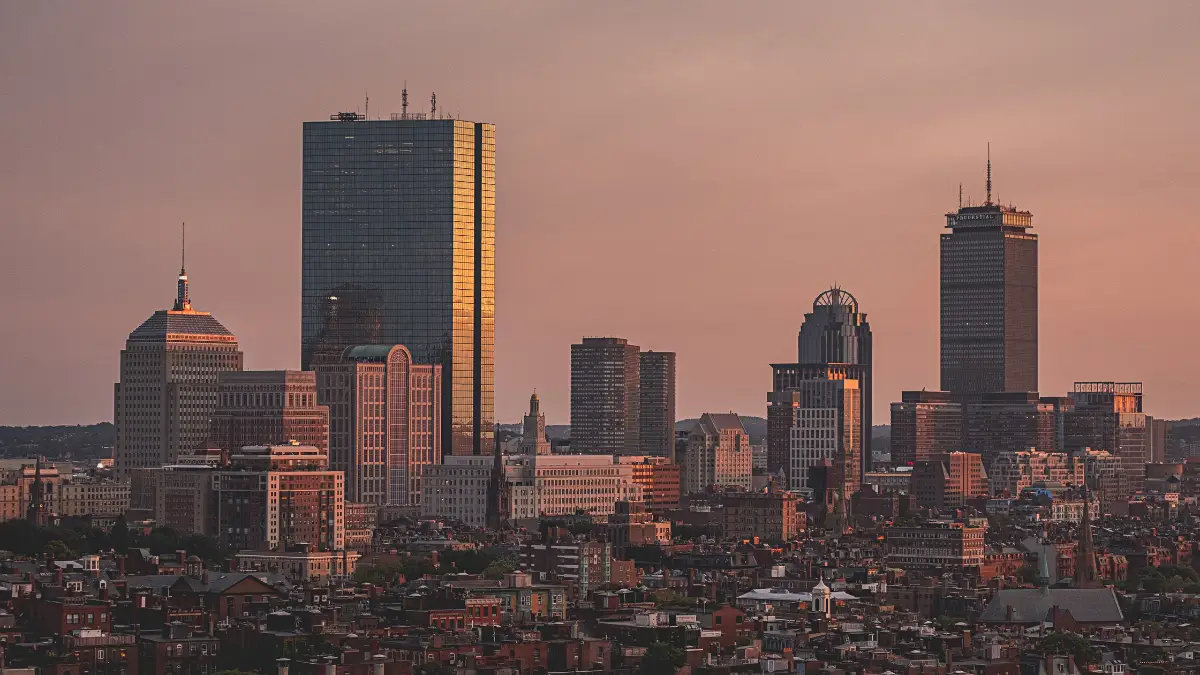
Gauteng visitors can explore major heritage sites, wildlife experiences, museums, family attractions and outdoor destinations across the province’s five main municipal regions. Johannesburg, Tshwane, the West Rand, Sedibeng and Ekurhuleni each offer a different side of the province, from the Apartheid Museum and Union Buildings to the Cradle of Humankind, Vaal River and OR Tambo Cultural Precinct. For residents planning a local day trip or travellers building a Gauteng itinerary, these top destinations provide a starting point for exploring the province beyond its business centres.
ALSO READ: TravelWell SMME Tourism Trade Fair Comes to Lanseria From 15 to 17 September 2026
Johannesburg combines history, culture and entertainment
Johannesburg is Gauteng’s largest city and one of the province’s main tourism centres, with attractions spanning South African history, arts, entertainment and township experiences.
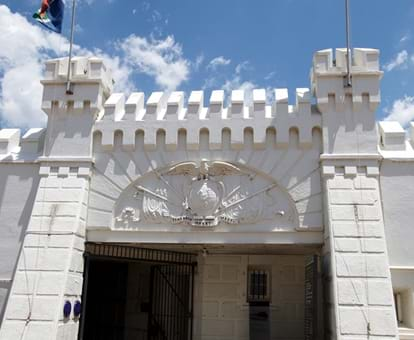
Constitution Hill in Braamfontein is one of the city’s major heritage sites. The former prison and military fort is now a living museum and home to South Africa’s Constitutional Court. Nelson Mandela, Mahatma Gandhi, Albertina Sisulu and Winnie Madikizela Mandela were among those imprisoned within the precinct during its history.
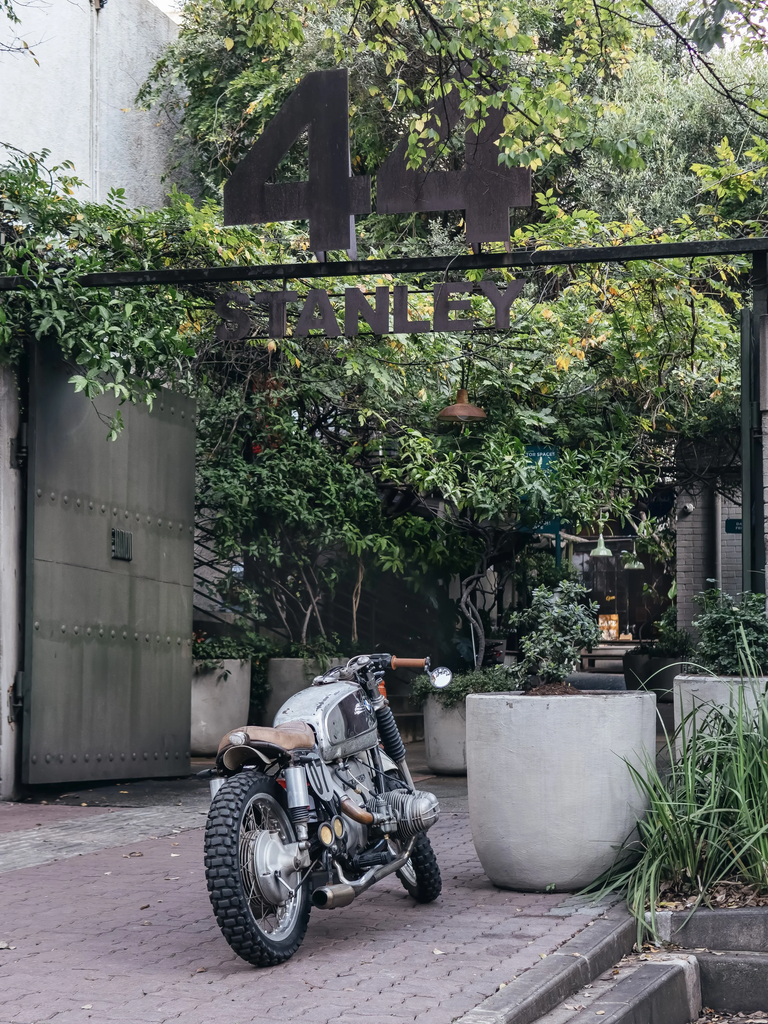
44 Stanley in Milpark offers a different side of Johannesburg, bringing restaurants, cafés, independent shops, design studios and creative businesses together in a collection of converted industrial buildings and courtyards.
The precinct is suited to visitors looking for a slower city experience, whether for breakfast or lunch, shopping for locally designed goods, or spending an afternoon exploring Johannesburg’s creative and lifestyle scene.
It also works well alongside nearby Braamfontein attractions, allowing visitors to combine Johannesburg’s heritage sites with food, shopping and contemporary culture in one itinerary.
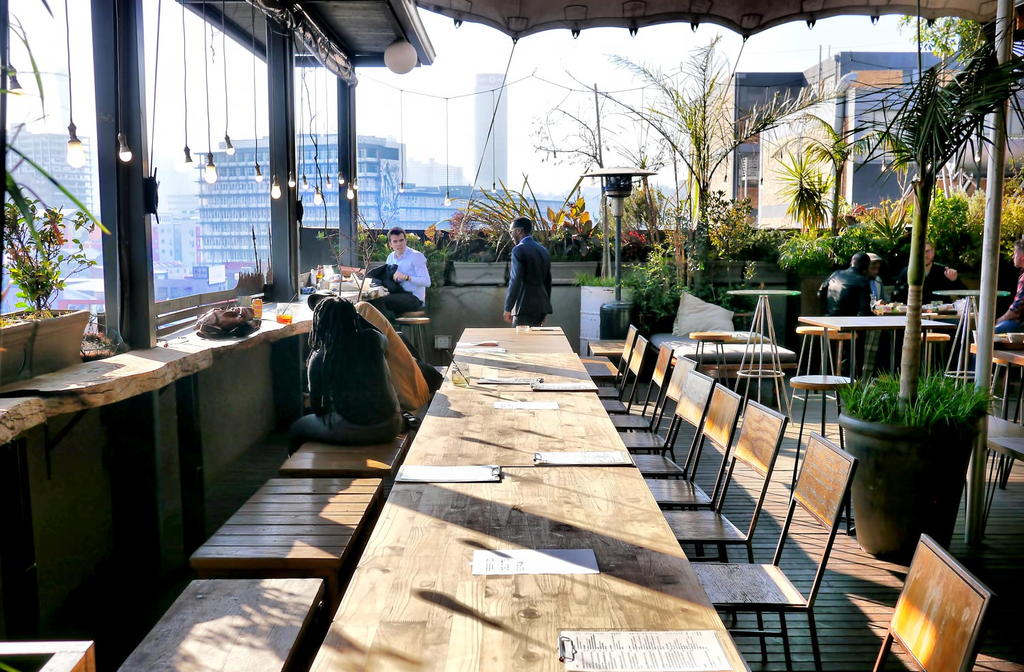
Maboneng Precinct, on the eastern side of Johannesburg’s inner city, is known for its mix of restaurants, cafés, art spaces, markets and urban lifestyle experiences.
Visitors can explore the precinct on foot, stop at local eateries and creative spaces, or experience Johannesburg’s inner city from rooftop venues such as The Living Room.
Maboneng provides a contemporary contrast to Johannesburg’s major historical attractions and can be included alongside Constitution Hill, the Apartheid Museum and Soweto when showcasing the different sides of the city.
South of the city centre, the Apartheid Museum documents apartheid and South Africa’s transition towards democracy through historical material, photographs, multimedia displays and personal accounts. Nearby, Gold Reef City blends entertainment with Johannesburg’s gold-mining history.
Soweto adds another important layer to a Johannesburg visit. Vilakazi Street is closely associated with Nelson Mandela and Archbishop Desmond Tutu, while the wider township remains central to the history of the 1976 Soweto uprising.
Visitors looking for a more adventurous experience can also head to Orlando Towers, while Johannesburg’s inner city and surrounding neighbourhoods offer restaurants, galleries, markets and contemporary cultural spaces.
Tshwane offers monuments, museums and green spaces
Tshwane provides a different experience, combining national heritage landmarks with museums, gardens and outdoor attractions.
The Union Buildings are among Pretoria’s most recognisable landmarks and serve as the official seat of the South African government. The grounds include the large Nelson Mandela statue and public gardens overlooking the city.
The Voortrekker Monument is another major heritage destination, while Freedom Park provides visitors with an opportunity to engage with South Africa’s history, memory and heritage.
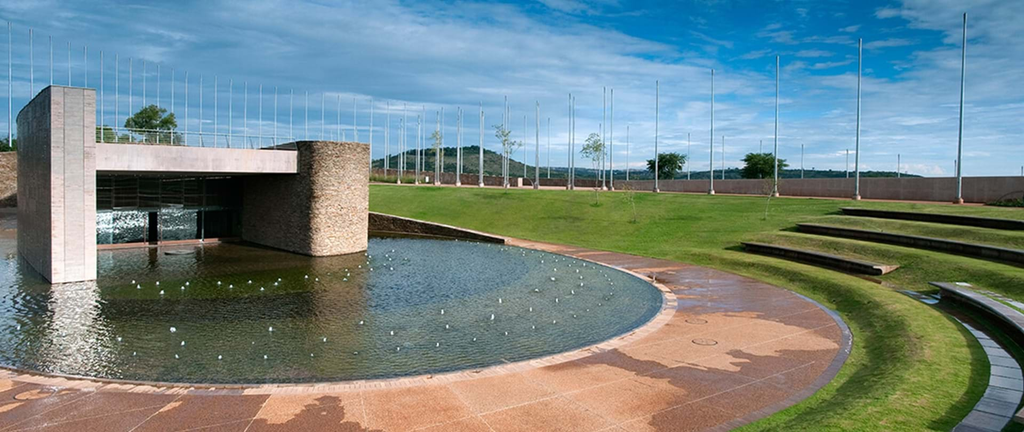
For travellers wanting to balance history with nature, the Pretoria National Botanical Garden offers walking routes and indigenous vegetation within the city. Gauteng’s official tourism information identifies the Union Buildings, Voortrekker Monument and botanical garden among Pretoria’s key visitor attractions.
A trip further east of Pretoria can include Cullinan, the historic mining town associated with the Cullinan Diamond. The town remains a popular day trip option for visitors interested in mining history and activities outside central Pretoria.
The West Rand takes visitors back millions of years
The West Rand is home to one of Gauteng’s most internationally significant destinations, the Cradle of Humankind World Heritage Site.
The approximately 47,000 hectare area northwest of Johannesburg contains important fossil sites that have contributed to the understanding of human evolution. Gauteng Tourism identifies it as the province’s only World Heritage Site.
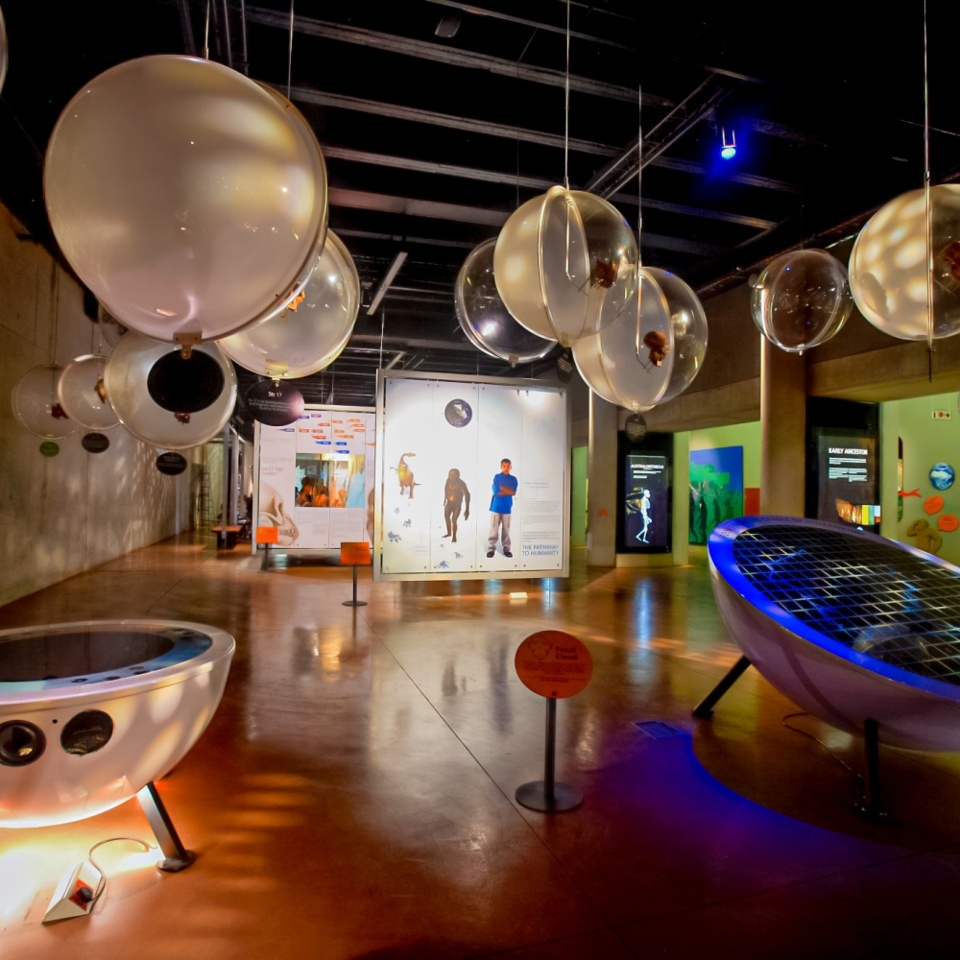
The Maropeng Visitor Centre serves as the official visitor centre for the Cradle of Humankind. Its exhibitions explore the development of humans and the history of the Earth through interactive displays.
The wider Cradle area also provides access to outdoor and wildlife activities. Visitors can explore cycling routes, hiking, horse riding and other outdoor experiences across the region.
Another option is the Lion and Safari Park, which offers guided game drives and self drive experiences.
Together, these attractions make the West Rand suitable for visitors interested in heritage, science, wildlife and outdoor activities.
Sedibeng puts the Vaal River at the centre of the trip
South of Johannesburg, Sedibeng offers a change from Gauteng’s dense urban centres, with the Vaal River forming a major part of the region’s leisure landscape.
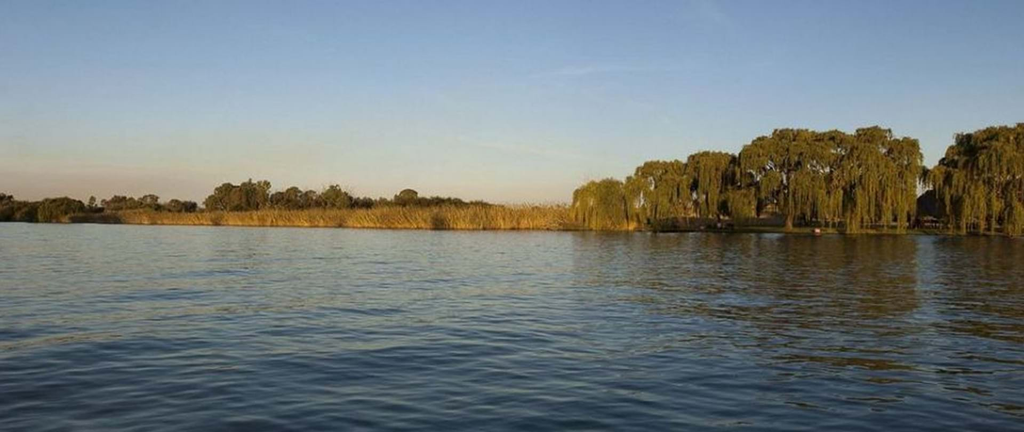
Vanderbijlpark and surrounding areas provide access to river based activities, accommodation and family attractions. Visitors can find options ranging from boat cruises and fishing to water sports and riverside stays.
Emerald Resort in Vanderbijlpark is one of the area’s established leisure destinations, while various operators along the Vaal offer boating and water-based experiences.
Sedibeng also includes Heidelberg, a historic town that offers another option for travellers interested in exploring smaller Gauteng towns.
The nearby Suikerbosrand Nature Reserve adds hiking, landscapes and outdoor activities to a Sedibeng itinerary, making the southern part of Gauteng an option for travellers looking for both water based and nature experiences.
Ekurhuleni combines aviation, heritage and family activities
Ekurhuleni is widely associated with aviation and industry, but the region also contains heritage sites and family destinations.
One of its most significant heritage attractions is the OR Tambo Cultural Precinct in Wattville, Benoni.
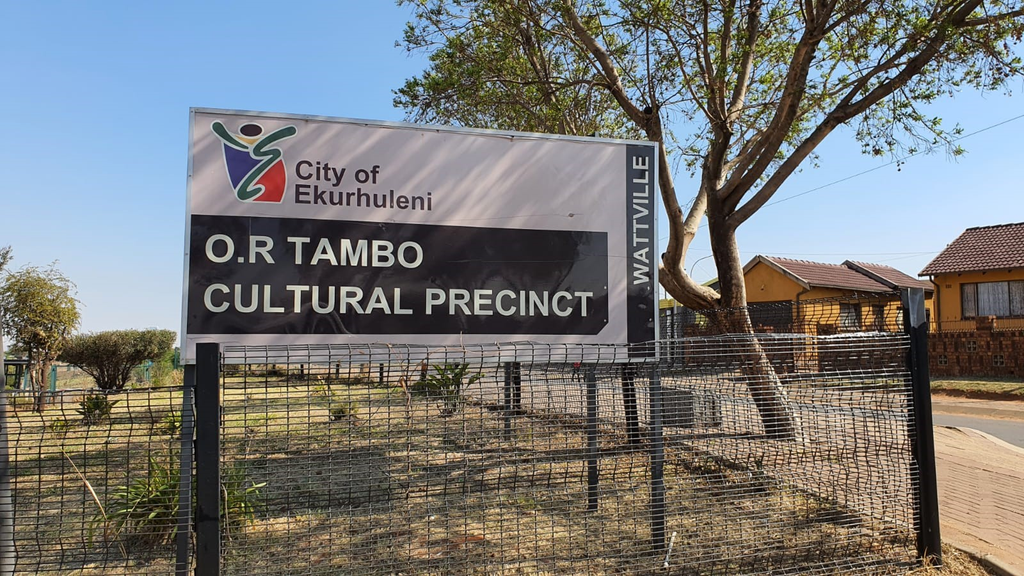
The National Heritage Site honours the life and legacy of Oliver and Adelaide Tambo and includes facilities that tell the story of the Tambo family and the community in which they lived. A heritage trail also connects the precinct with the cemetery where Oliver and Adelaide Tambo are buried.
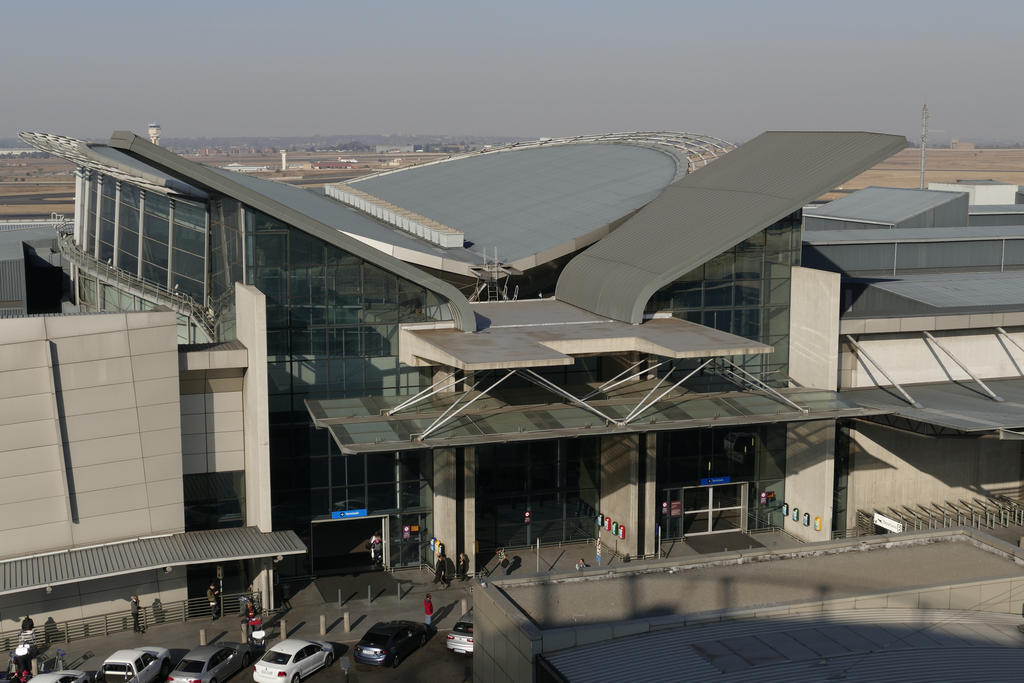
Ekurhuleni is also home to OR Tambo International Airport, Gauteng’s main international aviation gateway and a key arrival point for travellers entering the province.
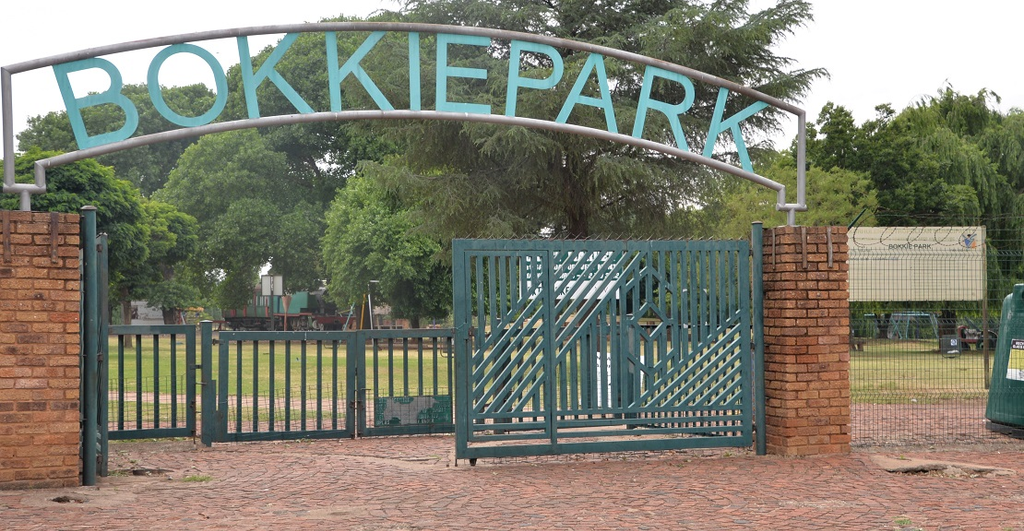
Families looking for local activities can explore destinations such as Bokkie Park in Boksburg, while the wider region includes entertainment, shopping, restaurants and recreational spaces across towns including Benoni, Boksburg, Kempton Park and Germiston.
How to plan a Gauteng itinerary
One advantage of travelling within Gauteng is the range of experiences available within a relatively compact province.
Visitors do not have to choose between only city experiences or outdoor activities. A Gauteng itinerary can combine Johannesburg’s museums with the Cradle of Humankind, Pretoria’s heritage landmarks, the Vaal River and attractions in Ekurhuleni.
For a first visit, some of the key destinations to consider include:
- Constitution Hill
- Apartheid Museum
- Gold Reef City
- Soweto and Vilakazi Street
- Union Buildings
- Voortrekker Monument
- Pretoria National Botanical Garden
- Cradle of Humankind
- Maropeng Visitor Centre
- Lion and Safari Park
- Vaal River
- Suikerbosrand Nature Reserve
- OR Tambo Cultural Precinct
The best combination will depend on whether visitors are interested in history, family activities, nature, culture or outdoor experiences.
What This Means for Gauteng Residents
Gauteng residents do not necessarily need to travel outside the province to build a varied weekend or holiday itinerary.
Johannesburg and Ekurhuleni provide urban, cultural and heritage experiences, while Tshwane combines history with green spaces. The West Rand offers archaeology, wildlife and outdoor attractions, and Sedibeng provides river based and nature activities.
This also means residents can explore the province region by region rather than attempting to cover several destinations in a single trip.
Families could build their plans around child friendly attractions and outdoor spaces, while history focused visitors can connect sites such as Constitution Hill, the Apartheid Museum, the Union Buildings, the Cradle of Humankind and OR Tambo Cultural Precinct.
Frequently Asked Questions
What are the top destinations in Gauteng?
Major destinations include Constitution Hill, the Apartheid Museum, Gold Reef City, Soweto, the Union Buildings, the Voortrekker Monument, the Cradle of Humankind, Maropeng Visitor Centre, the Vaal River and OR Tambo Cultural Precinct.
What are Gauteng’s five main municipal regions?
The province includes the metropolitan municipalities of Johannesburg, Tshwane and Ekurhuleni, as well as the West Rand and Sedibeng district municipalities.
Where can families go in Gauteng?
Families can consider destinations such as Gold Reef City, Maropeng Visitor Centre, Lion and Safari Park, Pretoria National Botanical Garden and recreational attractions around the Vaal.
Which Gauteng destinations are best for history and heritage?
Constitution Hill, the Apartheid Museum, Soweto, the Union Buildings, Freedom Park, the Cradle of Humankind and OR Tambo Cultural Precinct are among the province’s major heritage destinations.
Where can visitors find outdoor activities in Gauteng?
The West Rand, Cradle of Humankind, Vaal River and Suikerbosrand areas provide options for hiking, wildlife experiences, water activities and other outdoor excursions.
Five regions, different ways to experience Gauteng
Gauteng’s tourism landscape stretches well beyond Johannesburg’s city centre. Each of the province’s five main regions contributes a different experience, allowing travellers to move between major historical sites, museums, wildlife, entertainment and outdoor spaces.
Johannesburg provides some of the province’s best known cultural landmarks, Tshwane brings national heritage and green spaces, the West Rand connects visitors with the story of human origins, Sedibeng opens onto the Vaal, and Ekurhuleni combines an international gateway with local heritage.
Exploring the province through these five regions gives residents and visitors a broader picture of what Gauteng offers and provides a practical starting point for planning day trips, weekends and longer stays.
