




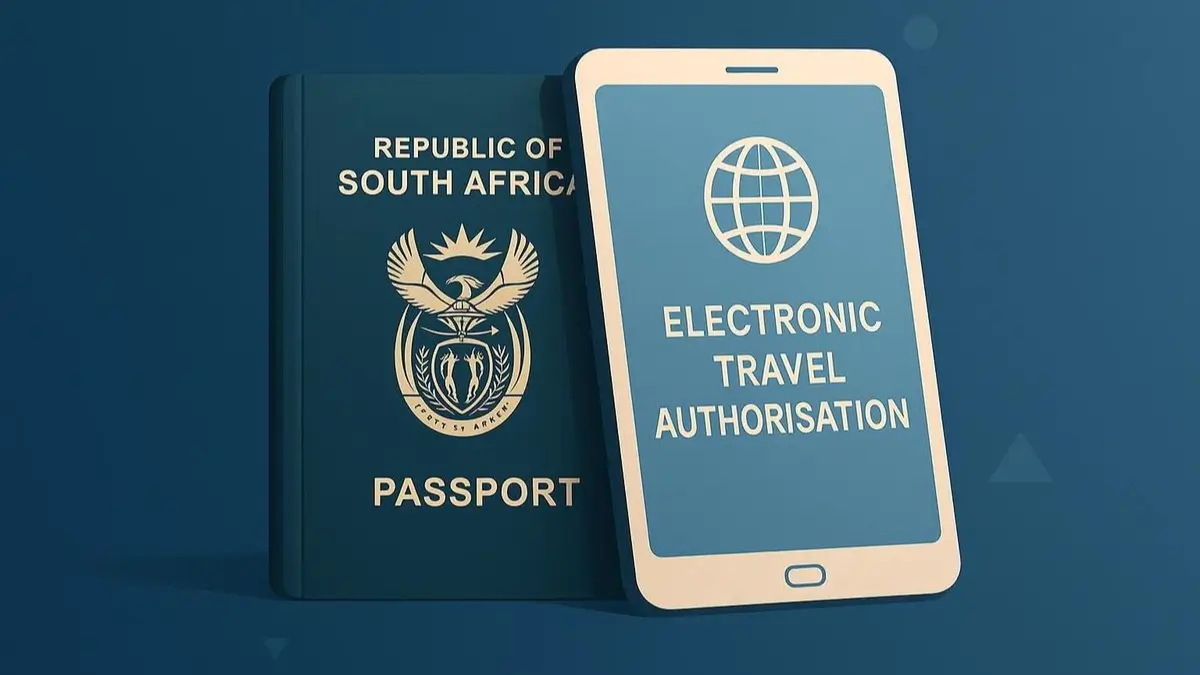
South Africa is introducing an Electronic Travel Authorisation (ETA) , system to move eligible international traveller applications from paper-based visa processes to a digital platform. The system is expected to allow qualifying visitors to apply online, receive an electronic outcome and have an approved authorisation linked to their passport before travelling.
For Gauteng, which receives a significant share of international visitors through OR Tambo International Airport, the planned change could affect how tourists, business travellers and travel trade partners prepare for trips to South Africa. The Department of Home Affairs will determine eligibility and the rollout will begin with selected countries and regions before expanding in phases.
ALSO READ: TBCSA Gauteng Roadshow 2026: Tourism Stakeholders Invited to Emperors Palace
What is South Africa’s Electronic Travel Authorisation (ETA)?
The ETA is a digital travel-permission system designed to modernise the visa application process for eligible international travellers.
Instead of submitting paper documents through an embassy or consulate, eligible applicants will be able to complete an application online. The approval, where granted, will be electronically connected to the passport used during the application.
According to information shared with tourism trade partners, the system is intended to simplify visa procedures, reduce paperwork, improve processing efficiency and strengthen digital verification before travellers depart for South Africa.
The ETA does not replace all immigration requirements. Eligibility, documentation requirements, fees, validity periods and entry conditions will be determined by the Department of Home Affairs.
How the ETA differs from a traditional visa application
The proposed ETA system differs from a conventional visa process in several ways.
A traditional visa application may require paper forms, supporting documents, manual checks and, in some cases, an in-person visit to a South African embassy or consulate. A physical visa label or stamp may then be placed in the traveller’s passport.
Under the ETA model, the process is expected to be completed digitally.
| Traditional visa process | Electronic Travel Authorisation |
|---|---|
| Paper-based application | Online application |
| Embassy or consulate visit may be required | Application completed remotely |
| Manual verification | Digital verification |
| Physical visa label or stamp | Electronic approval linked to passport |
| Processing times may be longer | Designed to reduce processing times |
The system is intended to make travel planning more efficient, but travellers will still need to meet South Africa’s immigration requirements.
Who will be eligible for the ETA?
The Department of Home Affairs will determine which travellers and countries are eligible for the Electronic Travel Authorisation.
The system will initially be rolled out to travellers from selected countries and regions, with eligibility expected to expand in phases. Travellers should check official government channels before making travel plans, as the eligible-country list may change during the rollout.
Eligibility may also depend on the purpose of travel. Requirements could differ for visitors travelling for tourism, business, family visits or other reasons.
Travellers who are not eligible for the ETA may still need to use existing visa channels through South African diplomatic missions or other authorised processes.
What information may applicants need to provide?
Applicants may be asked to provide personal, passport and travel information through the ETA platform.
Supporting information may include:
- A valid passport
- A recent digital photograph
- Personal and contact details
- Travel information
- Supporting documents, where required
- Proof of onward or return travel, if requested
The exact requirements may vary according to nationality and travel purpose. Travellers should ensure that the passport used for the application remains valid and is the same passport used for travel.
How the ETA application process is expected to work
The Department of Home Affairs will publish the official application platform and final process details as the system is introduced.
Based on the information shared with trade partners, the general application process is expected to include:
- Accessing the official ETA platform.
- Creating an applicant profile.
- Completing the online application form.
- Uploading required documents.
- Paying an applicable fee, where required.
- Submitting the application.
- Receiving an electronic outcome notification.
Applicants are expected to receive notifications through the ETA platform and/or email. The system is also expected to allow applicants to monitor the status of their applications online.
Processing times may vary depending on application volumes and verification requirements. However, the ETA is intended to reduce processing times compared with traditional paper-based visa applications.
ETA approval does not guarantee entry into South Africa
An approved ETA will authorise a traveller to travel to South Africa, but it will not guarantee admission at the border.
Final entry remains the responsibility of immigration officials at the port of entry. Travellers may still be asked to provide supporting documentation and must comply with all applicable entry requirements.
The authorisation will be linked to the passport used during the application. Travellers must therefore use the same passport when travelling to South Africa.
The Department of Home Affairs will determine the ETA’s validity period and whether a particular authorisation allows a single entry or multiple entries.
What happens if an ETA application is refused?
Applicants whose ETA applications are not approved will receive an electronic outcome.
Depending on the reason for refusal, travellers may be advised to reapply, submit additional information or use an alternative visa channel. The available options will depend on the individual application and the immigration rules that apply to the traveller.
Applicants should not assume that an ETA refusal automatically prevents future travel to South Africa. The Department of Home Affairs and South African diplomatic missions will provide guidance on the appropriate next steps.
What This Means for Gauteng Visitors and Tourism Businesses
Gauteng is a major gateway for international visitors, with OR Tambo International Airport serving as one of South Africa’s busiest arrival points.
A digital travel-authorisation process could make planning easier for eligible visitors travelling to Johannesburg, Pretoria, Ekurhuleni and other parts of the province. It may also assist travel agents, airlines, tour operators and accommodation providers by giving customers a more streamlined application process before departure.
For Gauteng’s tourism sector, the ETA could support greater certainty in travel planning if it reduces administrative delays for eligible visitors. Tourism businesses will still need to direct travellers to official government channels for current eligibility rules, fees and application requirements.
The system is also expected to support border management through digital verification and improved traveller screening.
Frequently Asked Questions
What is South Africa’s ETA?
The Electronic Travel Authorisation is a planned digital system that will allow eligible international travellers to apply online for travel permission before travelling to South Africa.
Will every international traveller need an ETA?
No. Eligibility will be determined by the Department of Home Affairs and the rollout will begin with selected countries and regions.
Do travellers need to visit an embassy to apply?
For most ETA applications, the process is expected to be completed online. Some travellers may still need to use existing visa channels, depending on their nationality and eligibility.
Is an approved ETA the same as guaranteed entry?
No. An approved ETA allows travel to South Africa, but final admission remains subject to immigration officials at the port of entry.
Where can travellers find official ETA information?
Travellers should consult the Department of Home Affairs, South African diplomatic missions, South African Tourism and the official ETA platform once it is launched.
What happens next
The Department of Home Affairs will announce the official ETA platform, eligible countries, application fees and rollout dates as implementation progresses.
Until then, international travellers should continue using existing official visa and entry-information channels and should confirm the requirements that apply to their nationality before booking travel to South Africa.
