




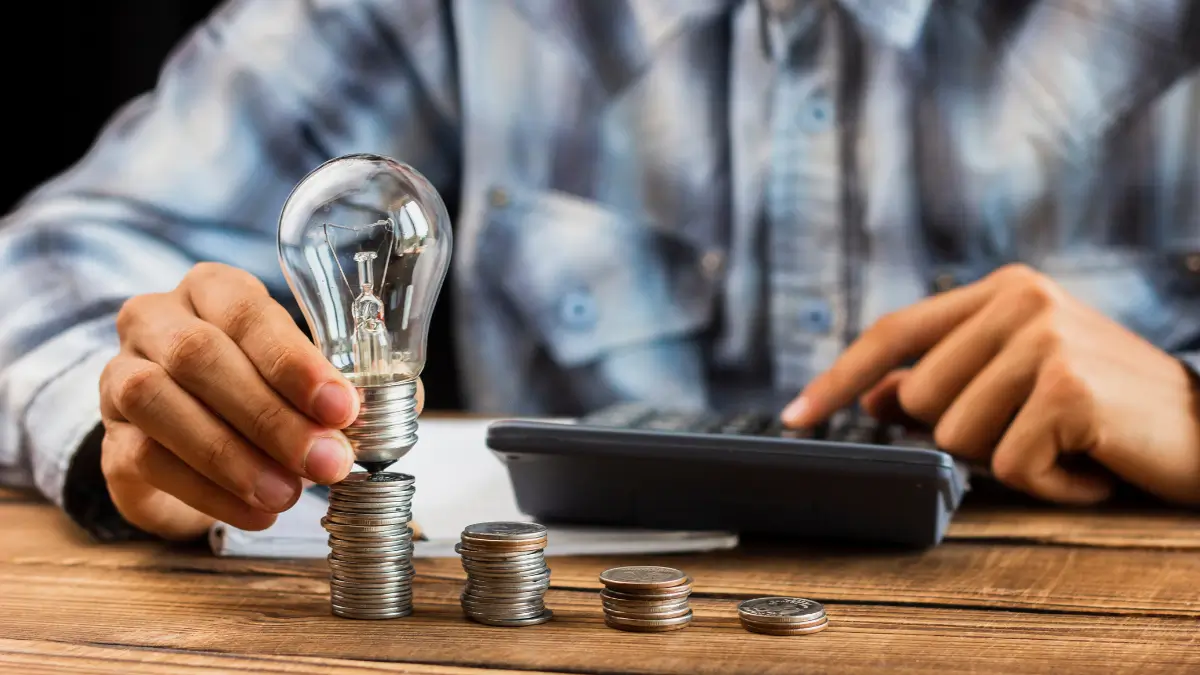
South African households are facing rising electricity costs after years of tariff increases, prompting many families to look for practical ways to save electricity and reduce their monthly bills. Electricity and Energy Minister Kgosientsho Ramokgopa recently acknowledged that electricity tariffs have increased by about 907% since 2007, placing growing pressure on households, businesses and the wider economy. For Gauteng residents, understanding how electricity is billed, which appliances consume the most power and where savings can realistically be made has become increasingly important as municipal and Eskom tariffs continue to rise.
According to the Minister, average electricity prices have increased from about 19 cents per kilowatt hour in 2007 to more than R3.70 per kilowatt hour today, far outpacing inflation over the same period.
Why Electricity Bills Continue to Rise
Electricity tariffs are influenced by several factors, including Eskom’s bulk supply costs, municipal distribution charges, infrastructure maintenance and regulatory approvals by the National Energy Regulator of South Africa.
While Eskom supplies electricity directly to some customers, many Gauteng households receive electricity through municipalities such as the City of Johannesburg, City of Tshwane and Ekurhuleni.
As a result, monthly bills can vary depending on where a household lives and which tariff category applies.
Is Prepaid or Postpaid Electricity Better?
One of the biggest questions consumers ask is whether prepaid electricity is cheaper than postpaid billing.
The answer depends on your tariff rather than the meter itself.
Prepaid electricity allows households to purchase electricity before using it, making it easier to monitor daily consumption and manage monthly budgets.
Postpaid customers receive a monthly bill after electricity has already been consumed, which provides convenience but can result in unexpected bills if usage is not monitored.
According to Eskom, some prepaid and postpaid tariffs also include fixed service or network charges, meaning consumers should compare tariff structures rather than assume one system is automatically cheaper than the other.
Check Your Electricity Tariff First
Before changing your meter or switching systems, check:
- Whether you receive electricity from Eskom or your municipality.
- Which tariff category your property falls under.
- Whether fixed monthly charges apply.
- The cost per kilowatt hour.
- Your average monthly consumption.
Understanding these details will help you identify where your money is going before investing in alternative energy solutions.
The Appliances That Use the Most Electricity
Reducing electricity consumption starts with understanding which appliances use the most power.
For most South African households, these include:
Electric Geyser
The electric geyser is often the biggest contributor to monthly electricity consumption because it continuously heats water throughout the day.
Simple ways to reduce costs include:
- Install a geyser blanket.
- Fit a geyser timer.
- Lower the thermostat temperature.
- Take shorter showers.
Electric Stove and Oven
Cooking appliances consume significant electricity, particularly when used for long periods.
To reduce usage:
- Cook with lids on pots.
- Use a pressure cooker where possible.
- Heat only the amount of food required.
- Use a microwave for reheating instead of the oven.
Electric Heaters
Portable electric heaters consume large amounts of electricity during winter.
Instead:
- Dress warmly indoors.
- Close curtains to retain heat.
- Seal draughts around doors and windows.
- Heat occupied rooms rather than the entire house.
Kettle
Boiling more water than needed wastes electricity.
Only boil the amount of water required for each use.
Washing Machine and Tumble Dryer
Laundry appliances consume more electricity when heating water or drying clothes.
Households can save by:
- Washing full loads.
- Using cold water programmes where appropriate.
- Drying clothes outside instead of using a tumble dryer.
Practical Electricity Saving Tips for Everyday Households
Small changes made consistently throughout the month can reduce overall electricity consumption.
Some of the most effective habits include:
- Switch lights off when leaving a room.
- Replace old bulbs with LED lighting.
- Unplug chargers and appliances that are not being used.
- Switch televisions and decoders off at the wall instead of leaving them on standby.
- Keep fridge and freezer doors closed as much as possible.
- Defrost freezers regularly.
- Service older appliances to improve efficiency.
How Gas Appliances Can Help Reduce Electricity Costs
Many households are gradually incorporating liquefied petroleum gas into their homes to reduce electricity consumption.
Common options include:
Portable Gas Cooker
A portable gas stove can be used for daily cooking instead of electric stove plates.
It is particularly useful for boiling water, preparing quick meals and cooking foods that require long cooking times.
Gas Hob
A gas hob provides instant heat and allows households to reduce reliance on electric cooking plates.
Many newer kitchen designs combine a gas hob with an electric oven.
Gas Water Heater
Replacing an electric geyser with an instantaneous gas water heater can significantly reduce electricity usage because water is heated only when required.
Households considering this option should ensure installation is carried out by a qualified gas installer and complies with South African safety standards.
Easy Kitchen Habits That Save Electricity
The kitchen remains one of the busiest areas in many South African homes.
Simple habits can make a noticeable difference:
- Boil only the water you need.
- Prepare several meals at once where practical.
- Defrost frozen food before cooking.
- Use lids on pots to reduce cooking time.
- Avoid repeatedly opening the oven while baking.
Save Money Without Spending Thousands
Not every electricity saving measure requires a major investment.
Affordable improvements include:
- Installing LED bulbs.
- Using multiplugs with on and off switches.
- Replacing damaged fridge seals.
- Turning off the geyser when leaving home for extended periods if appropriate.
- Cleaning appliance filters regularly.
These changes can reduce electricity usage without requiring expensive renovations.
Before Investing in Solar
Solar systems continue to attract interest as electricity prices increase.
However, households should first:
- Reduce unnecessary electricity usage.
- Improve appliance efficiency.
- Compare quotations from accredited installers.
- Understand municipal requirements where grid tied systems are installed.
Reducing consumption before installing solar often improves the return on investment.
What This Means for Gauteng Residents
Higher electricity prices mean every kilowatt hour matters.
Whether households use prepaid or postpaid electricity, the biggest opportunity to reduce costs lies in changing daily habits and understanding where electricity is being consumed.
For most Gauteng families, reducing geyser usage, limiting electric heating, improving kitchen efficiency and switching to energy efficient lighting can make a noticeable difference over time.
Residents considering gas appliances or solar systems should compare installation costs with their current electricity consumption to determine which solution best suits their household.
Frequently Asked Questions
Is prepaid electricity cheaper than postpaid?
Not necessarily. The cost depends on the tariff approved for your property, fixed charges and how much electricity you use each month.
Which appliance uses the most electricity?
For most households, the electric geyser is the single biggest electricity consumer, followed by electric heaters, stoves and ovens.
Does switching to gas reduce electricity bills?
Using gas for cooking or water heating can reduce electricity consumption, but households should compare installation costs and ensure appliances are installed safely.
What is the easiest way to lower an electricity bill?
Start by reducing hot water usage, replacing old light bulbs with LEDs, switching appliances off at the wall and avoiding unnecessary use of electric heaters.
Should I install solar panels?
Solar may help reduce long term electricity costs, but households should first reduce unnecessary consumption and obtain quotations from accredited installers before making a decision.
Small Changes Can Make a Big Difference
As electricity prices continue to rise, managing household energy use has become increasingly important for Gauteng residents. While no single solution will eliminate rising tariffs, understanding how electricity is billed, identifying high consumption appliances and adopting practical energy saving habits can help households reduce monthly costs.
For many families, the most effective approach is to start with affordable improvements, monitor electricity usage regularly and make informed decisions before investing in larger alternatives such as gas or solar energy.
