




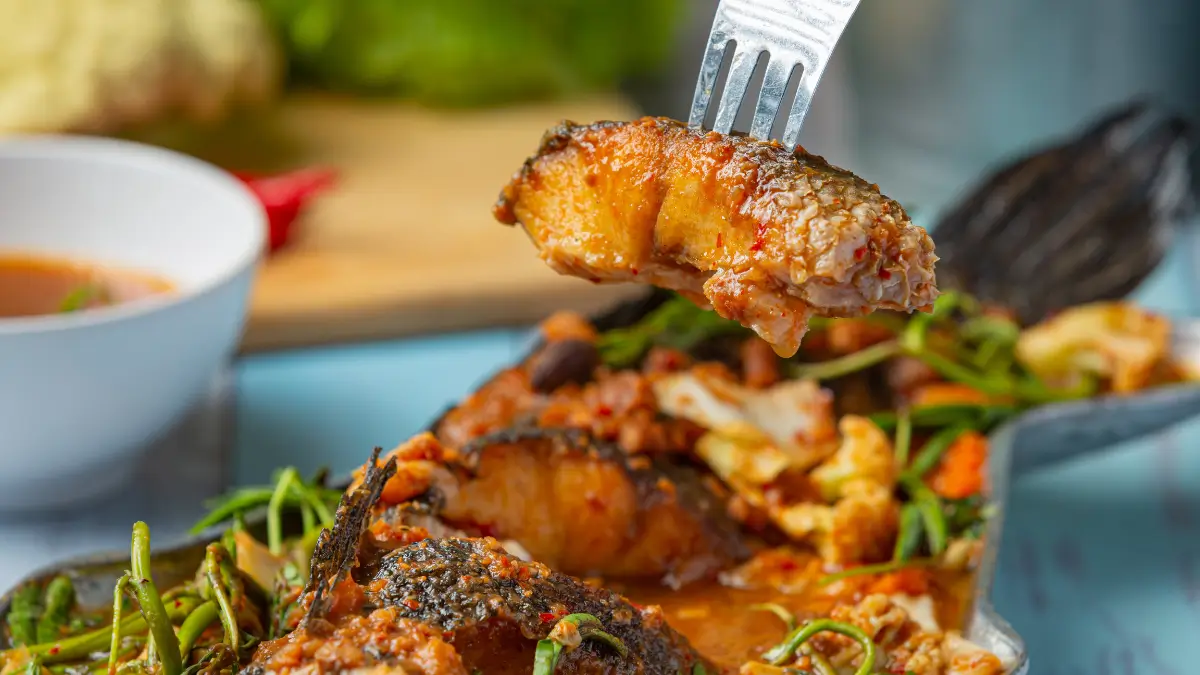
Heritage Month in September offers Gauteng residents and visitors an opportunity to explore the province’s cultural diversity through food, with restaurants serving traditional South African dishes alongside flavours from elsewhere in Africa and around the world. From Soweto and Pretoria to Ekurhuleni, the Vaal and Muldersdrift, diners can find restaurants reflecting different culinary traditions across Gauteng’s five regions.
The selection responds to a Visit Gauteng brief calling for a Heritage Month food guide spanning Johannesburg, Tshwane, Ekurhuleni, Sedibeng and the West Rand, with both African and international cuisines represented.
ALSO READ: What Is Heritage Day? The History Behind South Africa’s National Celebration
Food offers another way to explore Gauteng’s heritage
Heritage Month is often associated with language, clothing, music and historic sites, but food also records migration, family traditions and cultural exchange.
Gauteng is particularly suited to exploring those connections. The province’s restaurants include established South African kitchens alongside Ethiopian, Portuguese, Mediterranean and other international influences.
The result is a dining landscape where a traditional South African meal can form part of the same Heritage Month journey as Ethiopian injera or Portuguese cooking.
Here are options to consider across Gauteng.
Johannesburg: South African and Ethiopian flavours
Sakhumzi Restaurant on Vilakazi Street in Orlando West is one of the most direct places to connect a meal with Soweto’s living heritage.
The restaurant describes its food as authentic African cuisine and traces its history to 2001, when a former shebeen operating from the property was formalised into a restaurant. The original elements of the house were retained, linking the dining space to the history of the neighbourhood.
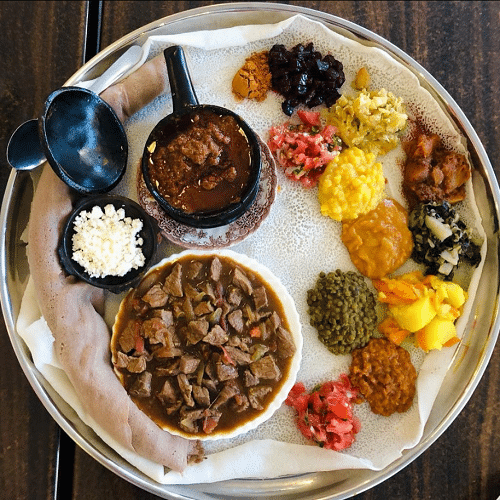
For a different African tradition, Little Addis Cafe specialises in Ethiopian food. Its menu includes dishes served with injera as well as beef tibs, kitfo, doro wet, lentils and traditional Ethiopian coffee.
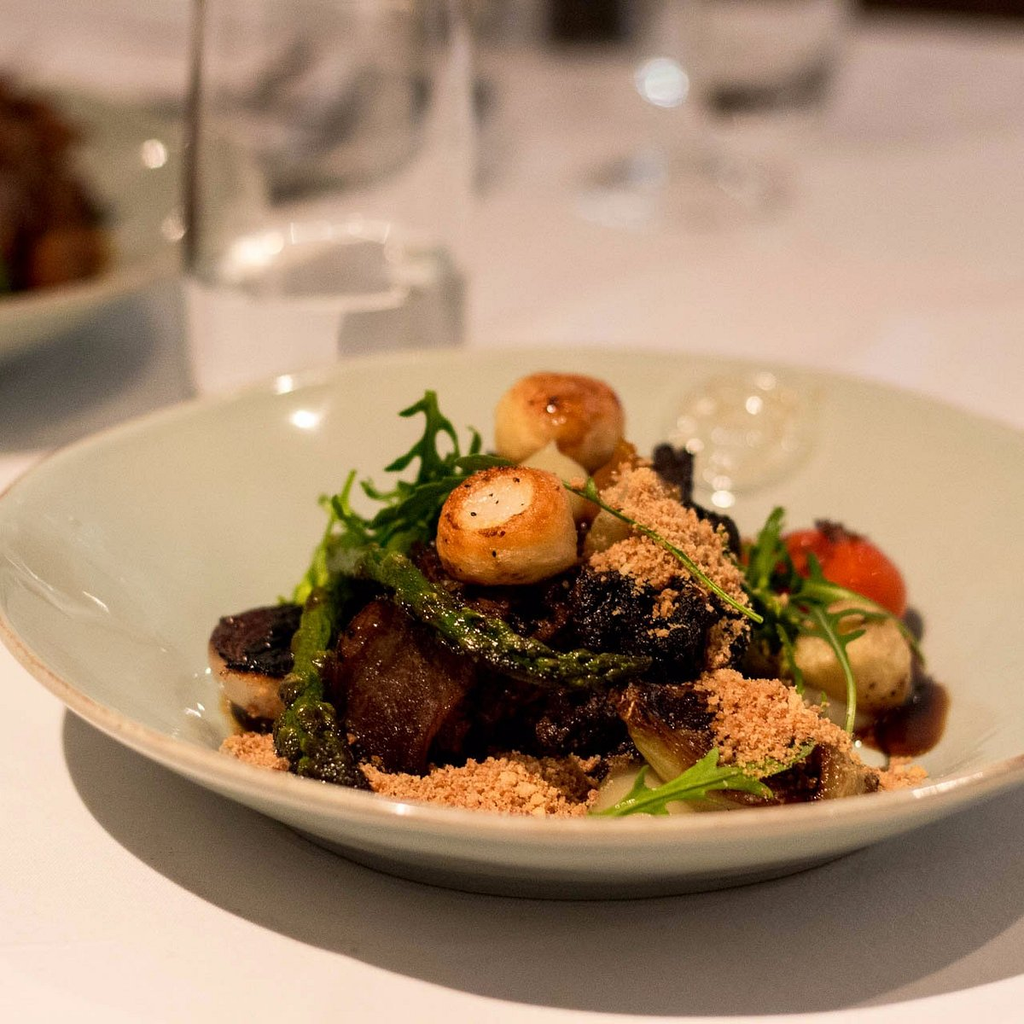
Asanka Restaurant in Rivonia provides another African option. Its food draws on African influences while combining them with broader cosmopolitan cooking.
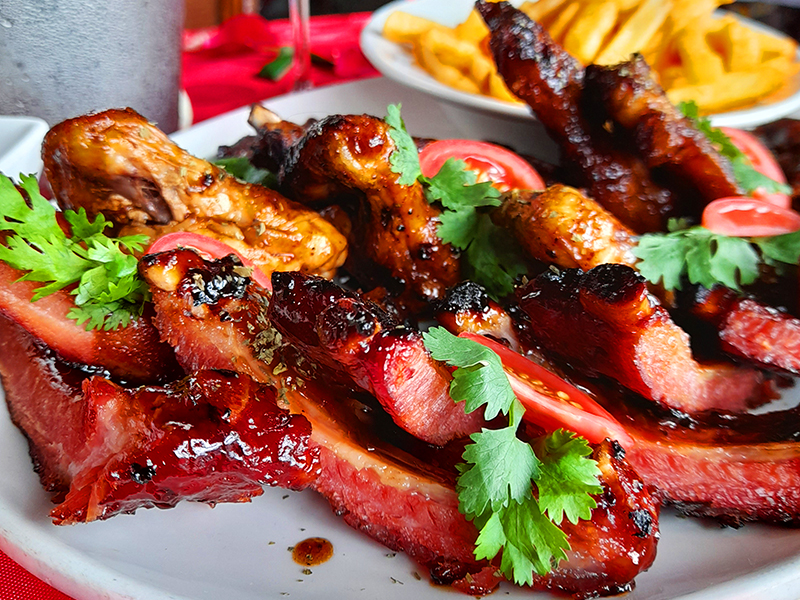
Together, these restaurants show how Johannesburg’s African dining extends from local South African traditions to cuisines shaped elsewhere on the continent.
Nigerian food adds another layer to that experience, with dishes such as jollof rice, egusi soup, pepper soup, pounded yam and suya forming part of the country’s diverse culinary tradition.
Try Indian cuisine in Johannesburg
Indian food is another important part of Gauteng’s dining landscape.
Thava Indian Restaurant Monte in Fourways traces its culinary roots to Kerala in southern India and serves Indian cuisine in Johannesburg.
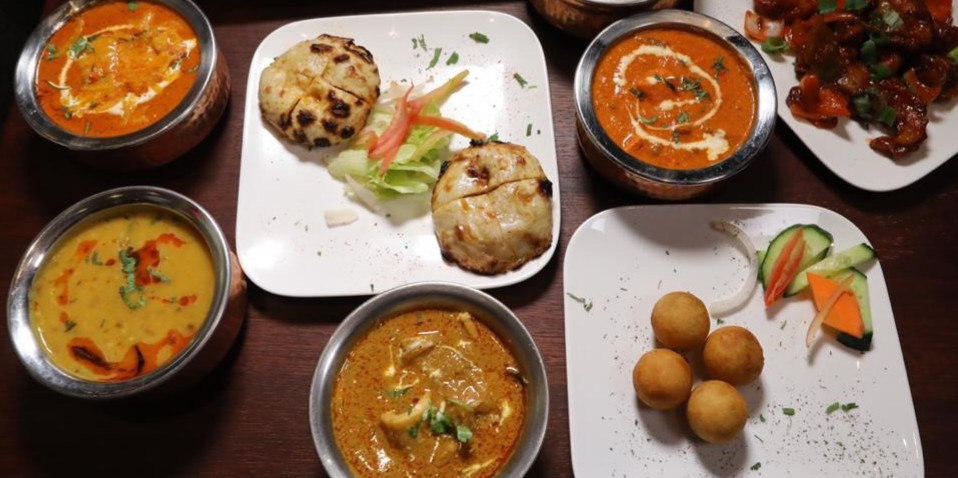
Other Johannesburg options include Dosa Hut in Fordsburg, which specialises in Indian food, and Taste of Punjab in Sunninghill, which focuses on Punjabi and North Indian cooking.
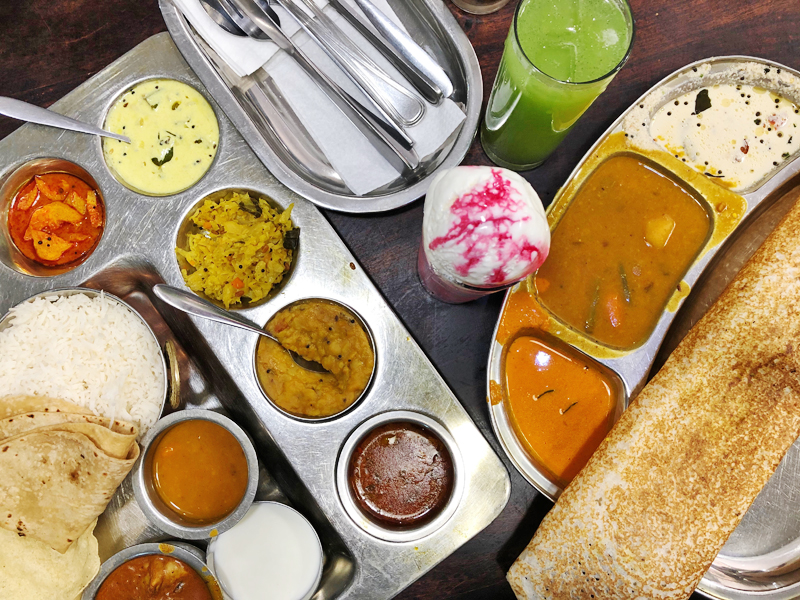
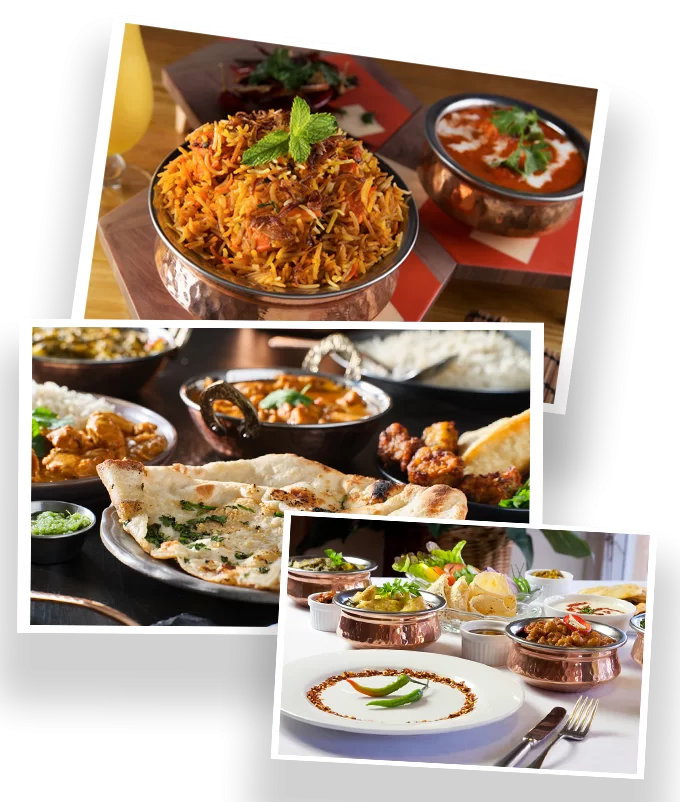
Menus across Gauteng’s Indian restaurants range from curries and biryani to dosa, paneer, dal and tandoori dishes.
For Heritage Month diners, the cuisine also provides an opportunity to recognise the wider cultural influences that have shaped South African food over generations.
Korean food adds another dimension to Gauteng dining
Gauteng residents looking to explore Korean cuisine have several restaurants across Johannesburg and Pretoria serving traditional dishes, Korean barbecue and shared hot pot meals.
Banchan Korean Eatery in Parkmore, Sandton, is a family run Korean restaurant specialising in traditional Korean cuisine. The restaurant makes its kimchi, tofu, sauces and marinades in house and has table grills for dishes including bulgogi, samgyeopsal and galbi. Its menu also includes Korean dumplings and other traditional dishes.
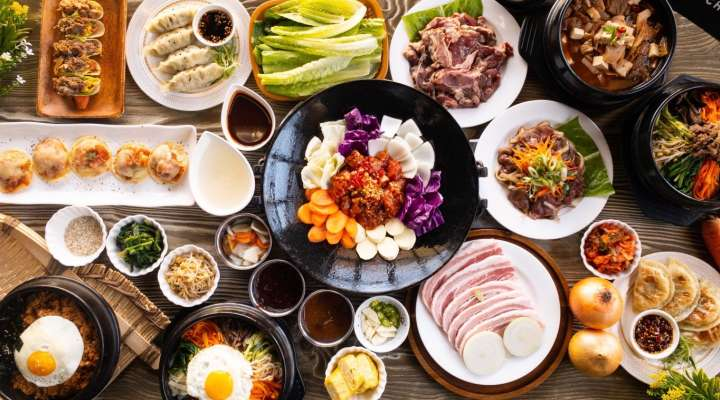
Another Johannesburg option is Arirang Korean Restaurant in Fourways. The restaurant serves Korean barbecue, stews, Korean fried chicken and traditional banchan side dishes.
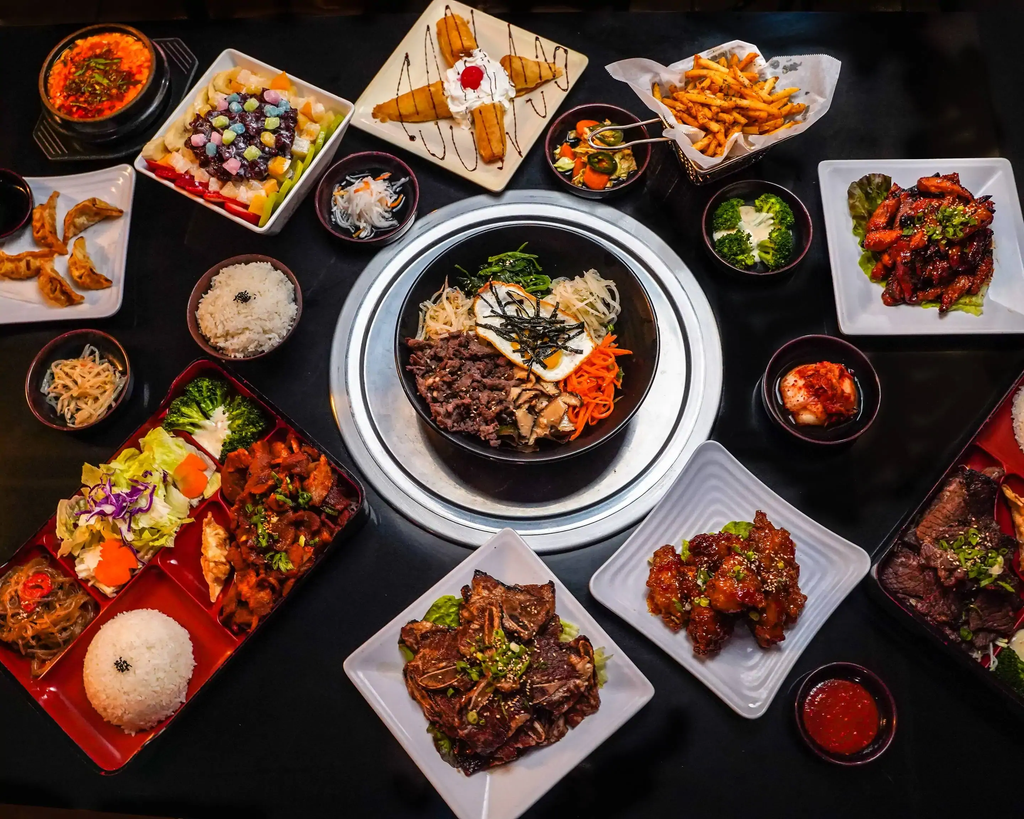
Surasang Korean BBQ & Hotpot is another option for Korean barbecue and hot pot. The restaurant previously operated in Sunninghill and has announced its move to Dainfern, Fourways. Its menu includes Korean barbecue sets, kimchi and communal hot pot dishes.
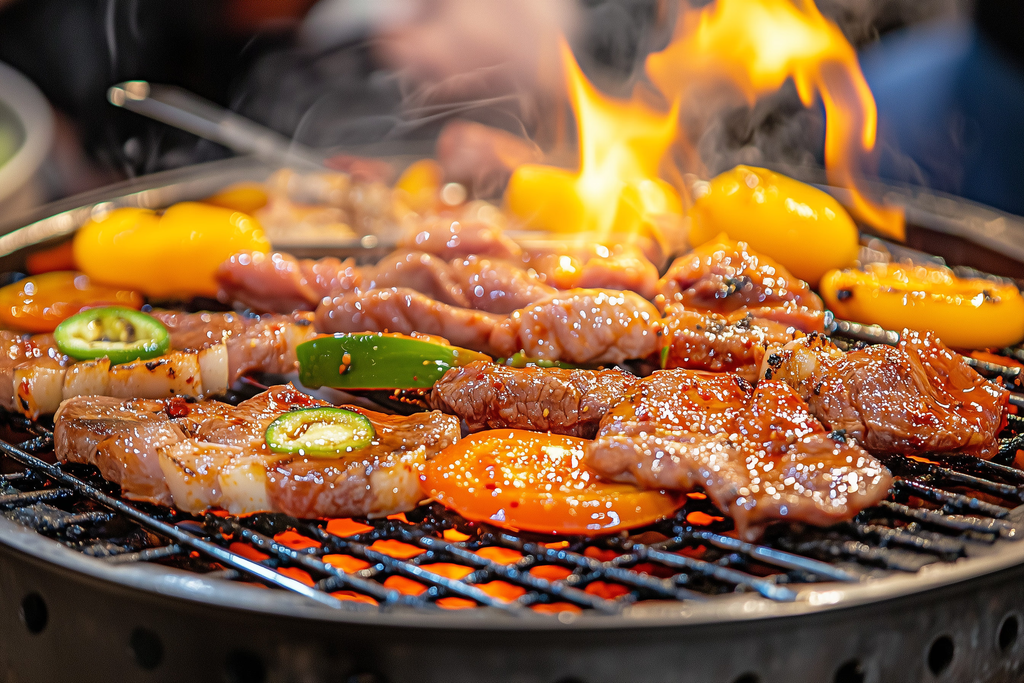
Pretoria diners can also explore Korean cuisine at Shilla Korean Cuisine, which is among the Korean dining options currently identified in the capital, with dishes such as bibimbap and kimchi stew.
Together, these restaurants add another cultural layer to a Heritage Month food journey across Gauteng, giving residents an opportunity to experience Korean barbecue, fermented dishes, shared side plates, rice dishes and hot pots alongside the African and other international cuisines represented across the province.
Tshwane: Local identity through a Pretoria kitchen
In Pretoria, Afro-Boer offers a different interpretation of South African food culture.
Located in Pretoria East, Afro Boer describes itself primarily as a bakery with café elements. Its identity draws deliberately on the combination of African and Boer influences, making it relevant to a Heritage Month exploration of how different traditions intersect in Gauteng.
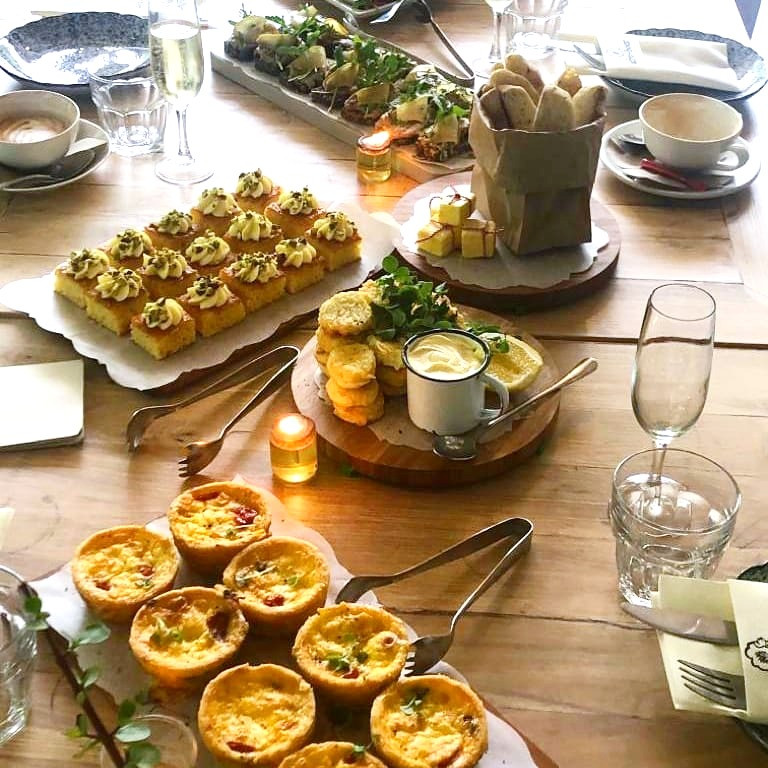
The restaurant’s approach demonstrates that heritage food does not always have to be presented as an unchanged historic recipe.
Contemporary kitchens can also reflect inherited food traditions through baking, familiar ingredients, family recipes and the way dishes are interpreted for present-day diners.
A’la Turka in the Centurion area brings Turkish influences to the region, with dishes associated with kebabs, hummus, breads and baklava.
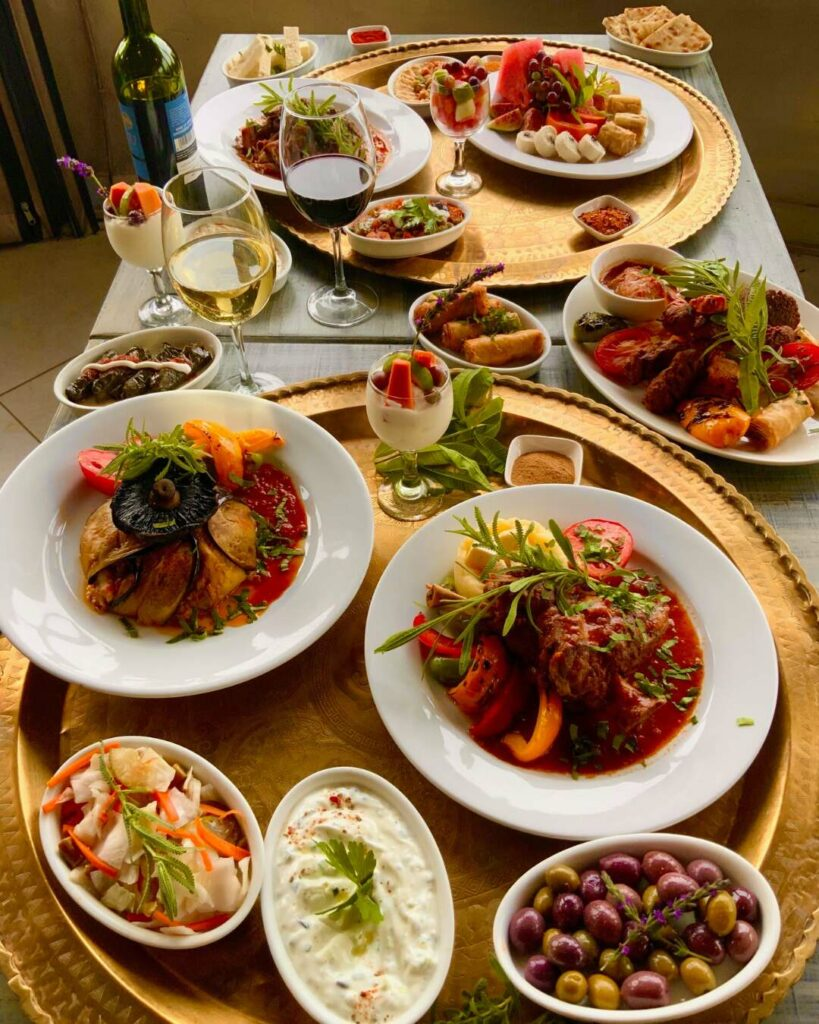
Indian cuisine is also well represented in the capital. Current Gauteng restaurant listings include Geet Indian Restaurant among Pretoria’s established Indian dining options.
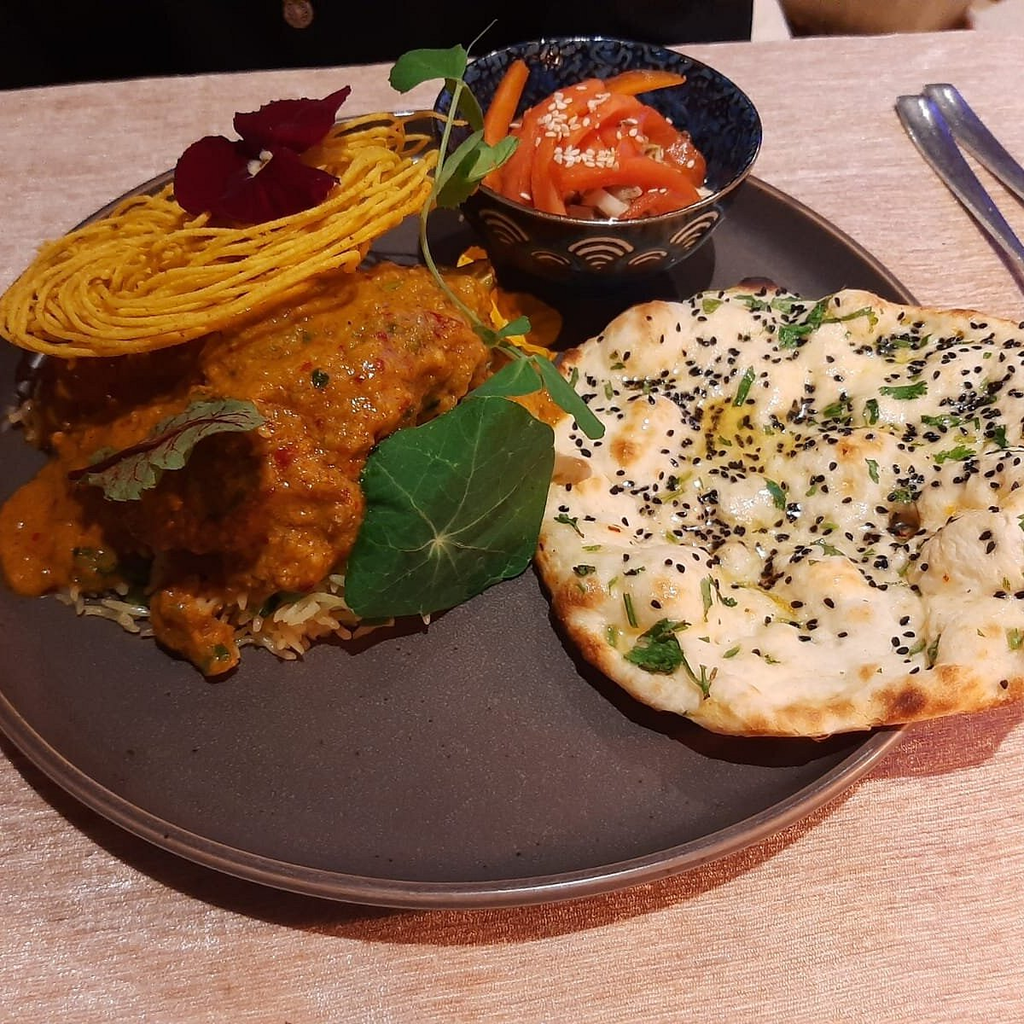
For visitors exploring Tshwane during Heritage Month, combining a meal with the capital’s museums, monuments and historic neighbourhoods can turn dining into part of a broader cultural itinerary.
Ekurhuleni: African and Portuguese cooking in Kempton Park
Ekurhuleni offers an opportunity to compare African and international cuisine within the same precinct.
Tribes African Grill & Steakhouse at Emperors Palace in Kempton Park serves African and South African influenced food alongside grills, game, seafood and contemporary dishes.

For Portuguese influenced food, Braza provides another option in the same broader area.
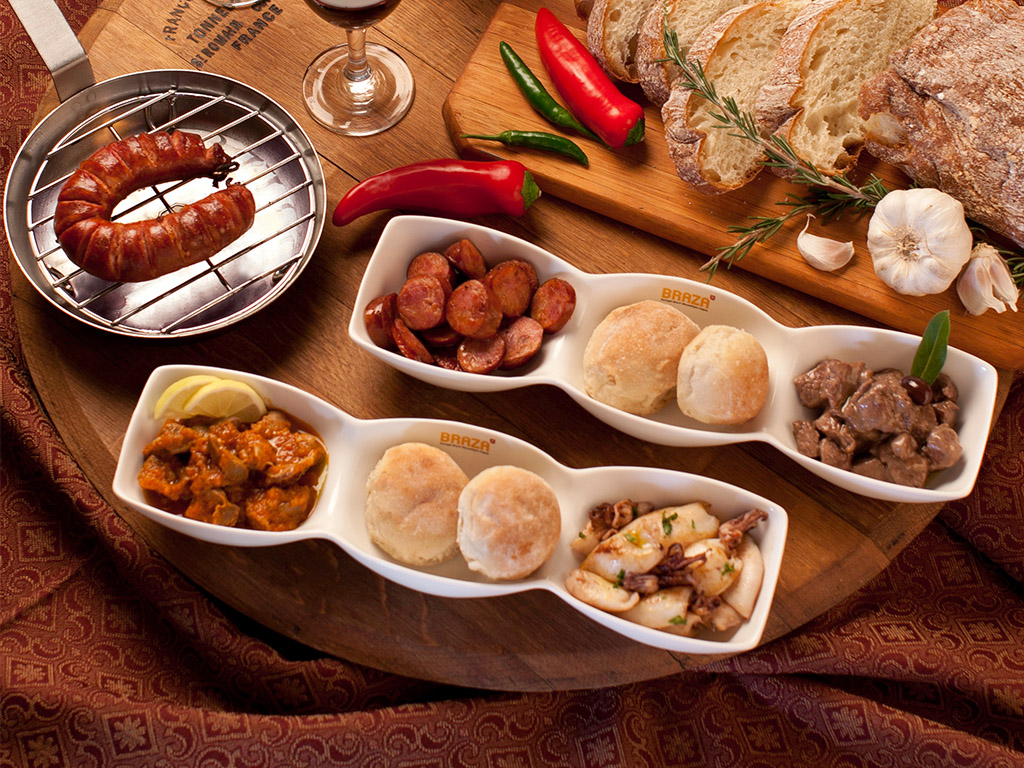
Asian cuisine can be represented through Yamitsuki in Bedfordview, which is known for Japanese and East Asian dishes including sushi and teppanyaki.
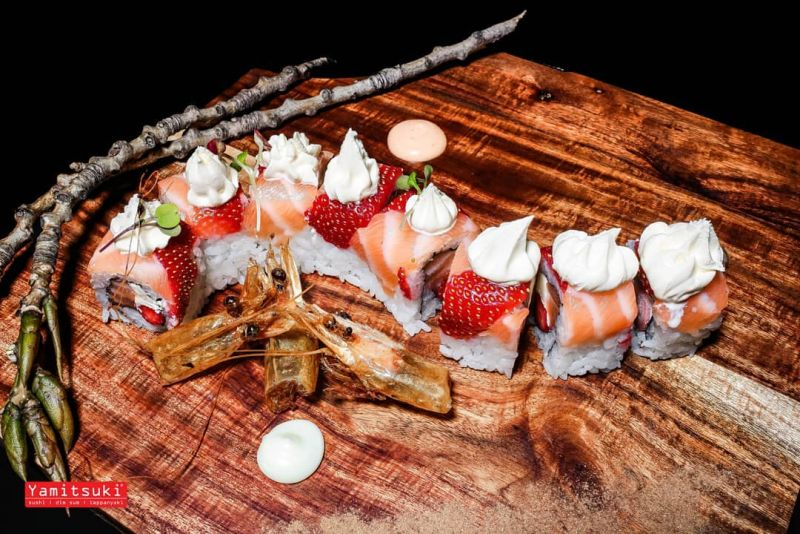
This gives readers three distinctly different choices in the eastern region of Gauteng: African, Portuguese and East Asian.
Sedibeng: International dining beside the Vaal
Sedibeng needs its own food identity rather than being added as an afterthought.
Kgalala Palace serves communities around Vanderbijlpark, Vereeniging and Sebokeng, with South African dishes including pap, chakalaka and beef stew as well as braai platters.
Stonehaven on Vaal in Vanderbijlpark provides an international dining option alongside its Vaal River setting.
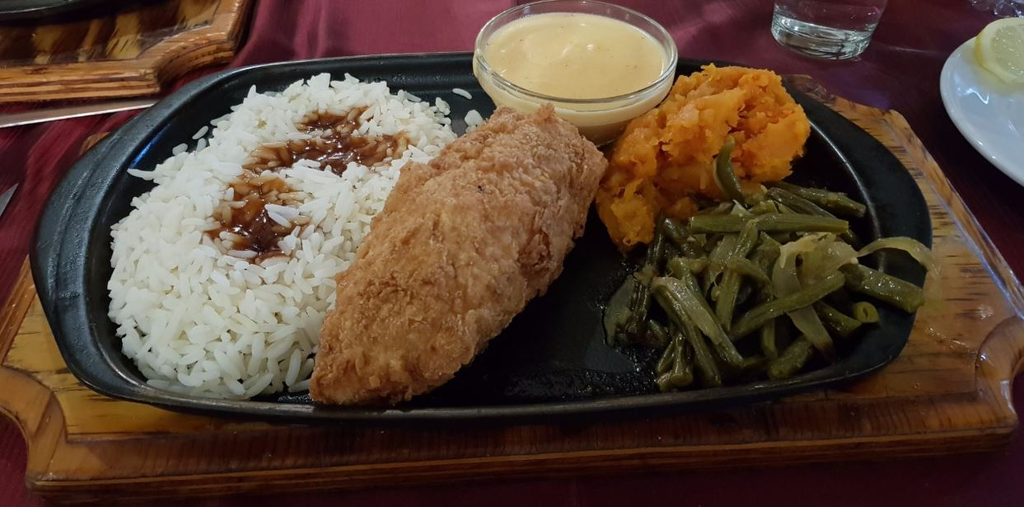
For another African option, current Vanderbijlpark restaurant listings include Grubz, which is classified across Caribbean and African cuisine.
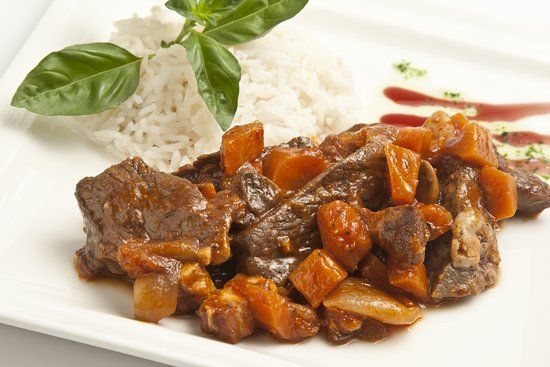
The region therefore allows us to introduce South African and international dining while keeping the Vaal firmly within the Heritage Month food route.
West Rand: African dining in Muldersdrift
The West Rand provides one of Gauteng’s more established African dining experiences at Carnivore Restaurant in Muldersdrift.
Located at Misty Hills, Carnivore is based on an open fire dining concept featuring domestic meats and selected game dishes.
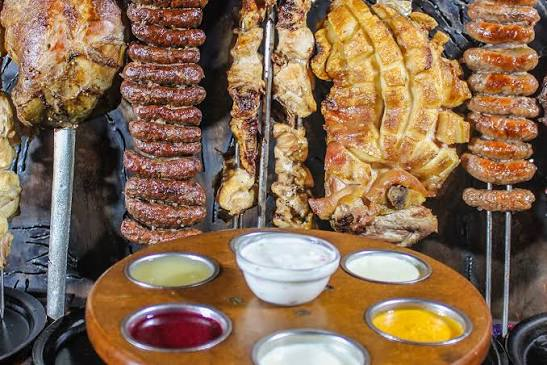
The restaurant describes itself as a Johannesburg version of the original Carnivore concept established in Nairobi. Its meal format includes meat cooked over an open fire and carved for diners, with South African accompaniments also forming part of the experience.
The Muldersdrift location also places it within reach of other West Rand tourism attractions, allowing food to form part of a wider day trip through the region.
A five region Heritage Month food route
Residents looking to explore Gauteng through food can build a simple five region itinerary:
| Gauteng region | Restaurant | Cuisine or experience |
|---|---|---|
| Johannesburg | Sakhumzi Restaurant | South African and African cuisine |
| Johannesburg | Little Addis Cafe | Ethiopian |
| Johannesburg | Asanka Restaurant | African influenced cuisine |
| Tshwane | Afro Boer | South African café and bakery |
| Ekurhuleni | Tribes African Grill | African and South African |
| Ekurhuleni | Braza | Portuguese |
| Sedibeng | Stonehaven on Vaal | International and grill |
| West Rand | Carnivore Restaurant | African grill and game |
The guide is not intended to suggest that a single restaurant represents an entire culture. Rather, each provides an entry point into a particular culinary tradition or interpretation.
Menus, prices, operating hours and availability can also change, so diners should check directly with restaurants before travelling.
What This Means for Gauteng Residents
For Gauteng residents, Heritage Month can provide a reason to explore areas of the province they may not regularly visit.
A Johannesburg resident could try Ethiopian food, visit Soweto for a traditional South African meal, travel to Pretoria for a contemporary local café experience or spend a day beside the Vaal.
The diversity also reflects a wider Gauteng story. Food traditions travel with people, adapt to new surroundings and become part of the identity of neighbourhoods and cities.
Exploring those cuisines can therefore add another layer to Heritage Month beyond attending events or visiting historic attractions.
It also gives residents an opportunity to explore all five Gauteng regions rather than concentrating activities in Johannesburg alone.
Frequently Asked Questions
Where can I eat traditional African food in Gauteng?
Options include Sakhumzi Restaurant in Soweto, Tribes African Grill in Kempton Park and Carnivore Restaurant in Muldersdrift. The restaurants offer different interpretations of African and South African cuisine.
Where can I try Ethiopian food in Johannesburg?
Little Addis Cafe specialises in Ethiopian cuisine, including injera, tibs, kitfo, doro wet and Ethiopian coffee.
Are there international restaurants to visit during Heritage Month?
Yes. Gauteng’s dining scene includes Portuguese and international restaurants alongside cuisines from across Africa. Braza in Kempton Park and Stonehaven on Vaal in Vanderbijlpark are among the options in this guide.
Which Gauteng regions are included in the Heritage Month food guide?
The guide covers the City of Johannesburg, City of Tshwane, City of Ekurhuleni, Sedibeng and the West Rand.
Should I book before visiting?
Booking requirements vary by restaurant. Diners should confirm current menus, operating hours, prices and reservation requirements directly with the restaurant before travelling.
Explore Gauteng one plate at a time
Heritage Month provides an opportunity to look at Gauteng’s identity through more than its monuments and historic buildings.
Across the province, restaurants preserve familiar recipes, reinterpret local traditions and introduce diners to food cultures originating elsewhere in Africa and around the world.
From African cuisine in Soweto and Muldersdrift to Ethiopian food in Johannesburg, Portuguese cooking in Ekurhuleni and international dining beside the Vaal, Gauteng’s five regions offer different ways to explore the province through what is served at the table.
