




Thousands of Gauteng public schools are expected to begin receiving delayed subsidy payments from June after the Gauteng Department of Education (GDE) confirmed that funding scheduled for mid-May had not yet reached schools. The department says the delays affected schools expecting subsidy allocations under the National Norms and Standards for School Funding.
The announcement affects public schools across Gauteng that rely on provincial subsidies to cover operational expenses including learning materials, municipal services and maintenance costs. Education officials say schools will start accessing the funds from the beginning of June 2026.
The department issued the clarification after concerns emerged from schools and stakeholders regarding late payments.
ALSO READ: Gauteng Load Reduction Schedule: 25 – 31 May 2026
GDE Acknowledges Funding Delays
In a public statement issued on 23 May 2026, the Gauteng Department of Education confirmed that subsidy payments expected by 15 May had been delayed.
According to the department, schools were expecting the first allocation instalment in line with regulations contained in the National Norms and Standards for School Funding.
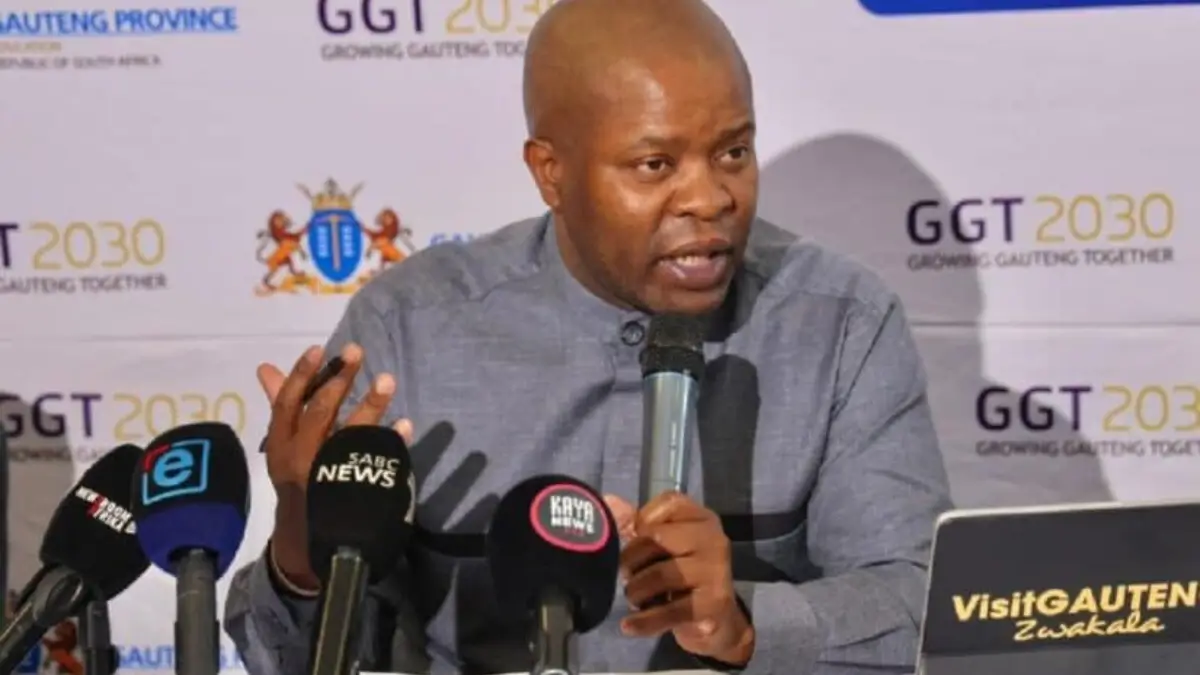
Gauteng Education, Sport, Arts, Culture and Recreation MEC Lebogang Maile apologised for the delays and said the funds remain available.
“Firstly, we would like to express our apologies to all schools and stakeholders of Gauteng for the delays in the release of funds schools are entitled to,” Maile said.
The MEC added that schools would begin accessing the money from the start of June.
What the School Subsidies Are Used For
The Gauteng Department of Education says the subsidies are essential for the day to day running of public schools.
According to the department, the funding helps schools pay for:
- learning and teaching support materials
- municipal services
- maintenance costs
- administrative expenses
- operational support services
The department says the subsidies are especially important for no fee and lower income schools that cannot generate sufficient income through school fees.
Officials also noted that the funding supports equal access to education regardless of the socio economic conditions of communities.
Schools Receive Funding in Two Instalments
Under current funding regulations, school subsidies are typically paid in two instalments every year.
According to the Gauteng Department of Education:
- 50% of the subsidy allocation should be paid on or before 15 May
- the remaining 50% should be paid on or before 15 November
The department confirmed that schools had already received final allocation letters showing the amount each institution is expected to receive during the financial year.
Why the Delays Matter for Gauteng Schools
The delayed subsidy payments have raised concerns because many public schools depend heavily on provincial allocations to maintain daily operations.
School subsidies are often used to:
- purchase classroom materials
- pay service providers
- maintain infrastructure
- support administration
- keep schools operational during the academic year
Education sector stakeholders have previously warned that payment delays can place pressure on schools already facing financial strain.
Some schools also rely on subsidies to support nutrition programmes, stationery procurement and minor repairs.
Gauteng’s Public School Funding Challenges Continue
The latest delays come amid broader funding pressures affecting public education in Gauteng and other provinces.
In recent years, schools across Gauteng have faced:
- infrastructure backlogs
- overcrowding
- delayed maintenance
- budget pressures
- shortages in learning materials
The Gauteng Department of Education says the subsidy programme remains central to addressing inequalities in the education system and supporting historically underfunded schools.
“We recognise that the funds are also key in the promotion of proper school governance, financial management, and improved educational outcomes,” Maile said.
Parents and Schools Await June Disbursements
While the department says the funds are secure, schools and governing bodies are now waiting for the June rollout timeline to materialise.
Several schools had reportedly anticipated the funds earlier this month based on the existing funding schedule.
The department has not yet confirmed:
- the exact payment dates in June
- whether all schools will receive funds simultaneously
- whether any additional administrative processes may affect disbursement timelines
What This Means for Gauteng Residents
The delayed subsidy payments affect not only schools but also learners, parents and surrounding communities across Gauteng.
Public schools often depend on provincial funding to maintain stable operations throughout the academic year.
For parents and learners, delays may indirectly affect:
- classroom resources
- maintenance projects
- administrative services
- supplier payments
- operational stability at schools
The situation also highlights the financial pressure facing parts of Gauteng’s public education system as schools continue balancing rising operational costs with limited resources.
Frequently Asked Questions
When will Gauteng schools receive the delayed subsidies?
The Gauteng Department of Education says schools should begin accessing the funds from June 2026.
Why were the subsidy payments delayed?
The department acknowledged delays but did not provide a detailed explanation for why payments missed the 15 May target.
What are school subsidies used for?
Subsidies help cover operational expenses including learning materials, municipal services, maintenance and administration.
How often are subsidies paid to schools?
School subsidies are typically paid twice a year in two instalments.
Will schools still receive the full amount allocated?
The department says schools have already received final allocation letters showing their approved funding amounts for the financial year.
What Happens Next?
The Gauteng Department of Education is expected to begin processing subsidy disbursements from the start of June while schools monitor payment timelines and operational planning for the remainder of the academic year.
Education stakeholders are also likely to continue monitoring whether future instalments scheduled for November are paid within the timelines outlined in the National Norms and Standards for School Funding.
