




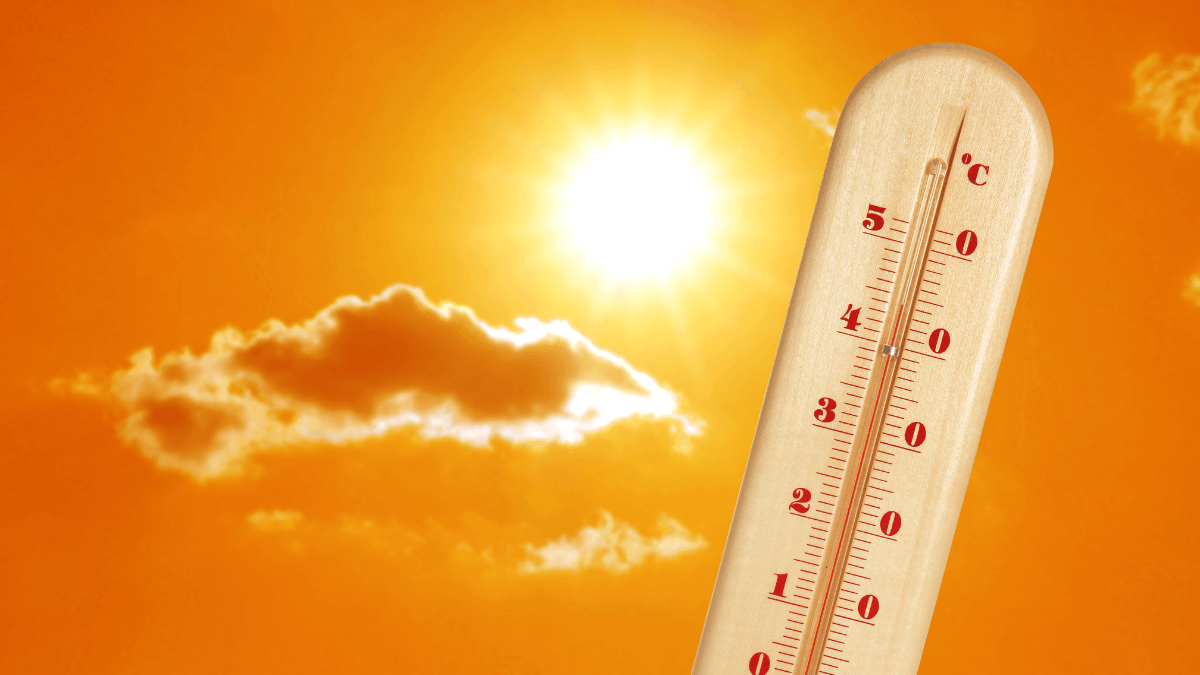
South Africans are being told to prepare for a hot, possibly dry summer. The South African Weather Service (SAWS) says above-normal temperatures are “very likely” across the country from now until at least January 2027. A very strong El Niño is building in the Pacific Ocean, and forecasters say it could become one of the strongest on record.
Heatwave warnings were already in place in parts of KwaZulu-Natal, Mpumalanga and the Eastern Cape this past weekend, and it’s only October. Here’s what the forecasts actually say, how much risk Gauteng faces, how to spot heat illness and what you can do to keep your family, your pets and your home safe.
Is This South Africa’s Hottest Summer Yet?
It’s too early to say for certain, but the warning signs are strong.
SAWS’s seasonal outlook for October to December 2026 shows:
- Temperatures: above normal is “very likely” over most of the country.
- Rainfall: below normal is “the most likely outcome over most of South Africa”, according to SAWS long-range forecaster Christien Engelbrecht.
The outlook for November 2026 to January 2027 is similar, with warmer and drier conditions most likely.
SAWS has also said that if El Niño reaches its expected strength, 2027 is likely to become the warmest year ever recorded globally. That’s because El Niño adds its warming effect on top of long-term climate change.
SAWS stresses, though, that a strong El Niño doesn’t automatically mean drought or record heat in every area. Individual weather events should be judged on daily forecasts and impact-based warnings. Its message to South Africans is to “prepare rather than panic”.
What Is El Niño, And Why Does It Matter?
El Niño is a natural climate pattern in which the central and eastern tropical Pacific Ocean becomes unusually warm. This shifts weather patterns around the world. For South Africa’s summer rainfall areas, including Gauteng, El Niño summers tend to be hotter and drier than usual.
The current event is unusual. SAWS says El Niño was “firmly established” by mid-August 2026 and is intensifying at a “highly unusual” rate. Ocean temperatures in the key monitoring region had climbed to more than 3°C above average by mid-September, well past the “very strong” threshold. The World Meteorological Organization expects warming to peak around December 2026 and gives a near 100% chance that El Niño will last until February 2027.
What happened last time? The very strong El Niño of 2015/16 brought widespread drought and unprecedented heatwaves to southern Africa. In January 2016, Johannesburg and Pretoria both broke their all-time heat records. Johannesburg reached about 38°C and Pretoria 42,5°C, according to SAWS figures reported at the time. Not every strong El Niño goes that way, though. The very strong event of 1997/98 brought slightly above-normal rain to parts of the summer rainfall region.
ALSO READ: El Niño 2026: South Africa Warned Of Hotter Weather, Drought And Severe Storms
What Counts As A Heatwave?
SAWS describes heatwave conditions as temperatures at least 5°C above the average maximum for the hottest month, lasting at least three days in a row.
SAWS uses impact-based warnings, which are colour-coded by how likely and how serious the impacts are. Check the SAWS app or website, or the weather service’s social media, for current warnings in your area. A warning for “persistently high temperatures” means a heatwave is under way or expected.
In Gauteng, extreme heat often comes with afternoon thunderstorms. Hot days can build into storms with lightning, hail, strong winds and flash flooding. So in summer you need to plan for both.
Who Is Most At Risk?
Heat can affect anyone, but some people are much more vulnerable:
- babies and young children, who overheat quickly and can’t always tell you they feel unwell
- older people, especially those living alone
- people with chronic illnesses, such as heart disease, diabetes, kidney disease or high blood pressure
- people with mental health conditions, or those on medication that affects how the body handles heat
- people who use power-dependent medical equipment
- pregnant women
- outdoor workers, such as construction workers, informal traders, car guards, delivery riders and farmworkers
- people in informal settlements or poorly ventilated homes, especially those with tin roofs
- athletes and people exercising outdoors.
Heat Exhaustion Vs Heat Stroke: Know The Warning Signs
| Heat exhaustion | Heat stroke (a medical emergency) | |
|---|---|---|
| Skin | Cool, clammy and pale, with heavy sweating | Hot and dry, or sweating may stop |
| How the person feels | Weak, tired, dizzy, with a headache, nausea or vomiting | Confused, behaving strangely or slurring speech |
| Body temperature | Raised | Very high |
| Other signs | Muscle cramps, fast pulse, thirst | Seizures, collapse or loss of consciousness |
| What to do | Move to a cool place, drink water, rest and cool the body | Call for emergency help immediately |
Heat exhaustion can quickly turn into heat stroke if it isn’t treated, so act early.
What To Do In A Heat Emergency
If you think someone has heat stroke:
- Call for help. Dial 10177 for an ambulance, or 112 from a cellphone. If you can get the person to a clinic or hospital quickly, do so.
- Move them somewhere cooler, into shade or an air-conditioned room.
- Cool them down. Loosen or remove tight clothing. Apply cool, damp cloths to the neck, armpits, wrists and groin, or sponge them with cool water and fan them.
- Give small sips of water only if they’re fully conscious and able to swallow.
- Stay with them until help arrives.
How To Stay Safe During A Heatwave
At Home
- Keep curtains and blinds closed during the day. Open windows in the early morning and evening, when it’s cooler.
- Spend the hottest hours in the coolest room of the house.
- Take cool showers, or use a damp cloth on your neck and wrists.
- Store medicines according to their labels. Some lose their effect in high heat.
- Keep fans and lights off when you’re not in the room, because electrical appliances add heat.
Hydration
- Drink water regularly, even if you don’t feel thirsty.
- Limit alcohol, sugary drinks and too much caffeine, which can dehydrate you.
- If you’re on a fluid-restricted diet for a heart or kidney condition, ask your doctor how much you should drink.
- Eat lighter meals, including water-rich fruits and vegetables.
Outdoors And At Work
- Avoid strenuous activity during the hottest part of the day, roughly 10:00 to 16:00, and especially from 12:00 to 15:00.
- Wear loose, light-coloured, breathable clothing, a wide-brimmed hat and sunscreen.
- If you work outdoors, take regular breaks in the shade and keep water close by. Employers should plan heavy work for cooler times of day.
- Schedule runs, gym sessions outside and sports practice for early morning or evening.
Children And Schools
- Never leave children in a parked car, not even for a few minutes. The temperature inside a closed car rises extremely quickly.
- Send children to school with a full water bottle and a hat.
- Matric learners writing exams over the coming weeks should drink water, eat properly and get enough rest before each paper.
Older People And Vulnerable Neighbours
- Check on older relatives and neighbours, especially those who live alone, at least once a day during a heatwave.
- Help them get to a cooler place, such as a mall, library or community centre, if their home gets too hot.
- Make sure they have enough water and their regular medication.
Pets
- Give pets plenty of fresh water and shade at all times.
- Walk dogs early in the morning or in the evening. Test the pavement with the back of your hand, and if you can’t hold it there for five seconds, it’s too hot for paws.
- Never leave animals in a parked car.
On The Road
- Keep water in the car, and check your coolant and tyres before long trips.
- Plan around afternoon storms. Hot days often end in heavy downpours, so slow down on wet roads and never drive through flooded roads or bridges.
Other Summer Risks: Water, Fire And Storms
Water supply: Gauteng’s water system is already under pressure. In February, Rand Water said it was “overstretching its assets” to keep up with high demand. The utility supplies about 5 000 million litres a day, with 77% used by the Johannesburg, Tshwane and Ekurhuleni metros. Demand usually spikes in hot weather, which can lead to low pressure and outages, especially in higher-lying areas. To help:
- water gardens only early in the morning or in the evening, and follow any restrictions in your area
- take shorter showers and fix leaking taps and toilets
- avoid filling pools or washing cars with a hosepipe during heatwaves
- keep a few litres of drinking water stored in case of outages.
Fire danger: Hot, dry and windy conditions raise the risk of veld fires. SAWS issued “extremely high fire danger” warnings for parts of seven provinces this past weekend. Don’t burn rubbish, put out braai fires completely and never throw cigarette butts out of car windows.
Thunderstorms and lightning: When you hear thunder, go indoors. Avoid open fields, tall trees and water, and unplug sensitive electronics during storms.
Your Summer Heat Checklist
- SAWS weather app downloaded, with warnings switched on
- Reusable water bottles for everyone in the household
- Sunscreen, hats and light clothing
- Stored drinking water in case of outages
- Emergency numbers saved: 10177 (ambulance) and 112 (from a cellphone)
- A plan to check on older relatives and neighbours
- Shade and water for pets
- Medicines stored correctly, with enough supply for the festive season
What This Means For Gauteng Residents
For Gauteng, a very strong El Niño raises the chances of more hot days, longer dry spells between storms and greater strain on water supply. That doesn’t mean every week will bring a heatwave, but it does mean residents should take heat warnings seriously and plan for them.
The effect on food prices is likely to take longer. Agricultural economists say South Africa has good maize stocks heading into 2027, so any El Niño-related price increases are likely to be felt only in late 2027 rather than this festive season.
The best protection is simple: follow SAWS forecasts and warnings, drink water, avoid the midday heat and look out for people who are more vulnerable.
Frequently Asked Questions
Will This Be South Africa’s Hottest Summer Ever?
It’s too early to say. SAWS says above-normal temperatures are very likely through to at least January 2027, and that 2027 could become the warmest year on record globally if El Niño reaches its expected strength. Actual heat will vary from place to place and week to week.
What Is A Heatwave In South Africa?
SAWS describes heatwave conditions as temperatures at least 5°C above the average maximum of the hottest month, lasting at least three consecutive days.
Does El Niño Mean Drought In Gauteng?
Not necessarily. El Niño increases the chances of a hotter, drier summer, but SAWS says it doesn’t automatically cause drought. The very strong 1997/98 El Niño brought near-normal or slightly above-normal rain to parts of the summer rainfall region.
What Are The Signs Of Heat Stroke?
The signs include a very high body temperature, hot and dry skin, confusion, slurred speech, seizures and loss of consciousness. Heat stroke is a medical emergency. Call 10177, or 112 from a cellphone.
What Time Of Day Is Most Dangerous During A Heatwave?
Avoid strenuous outdoor activity between about 10:00 and 16:00, especially from 12:00 to 15:00, when temperatures peak.
How Can I Check For Heatwave Warnings?
Use the SAWS weather app or website, or follow SAWS on social media for impact-based warnings for your area.
