




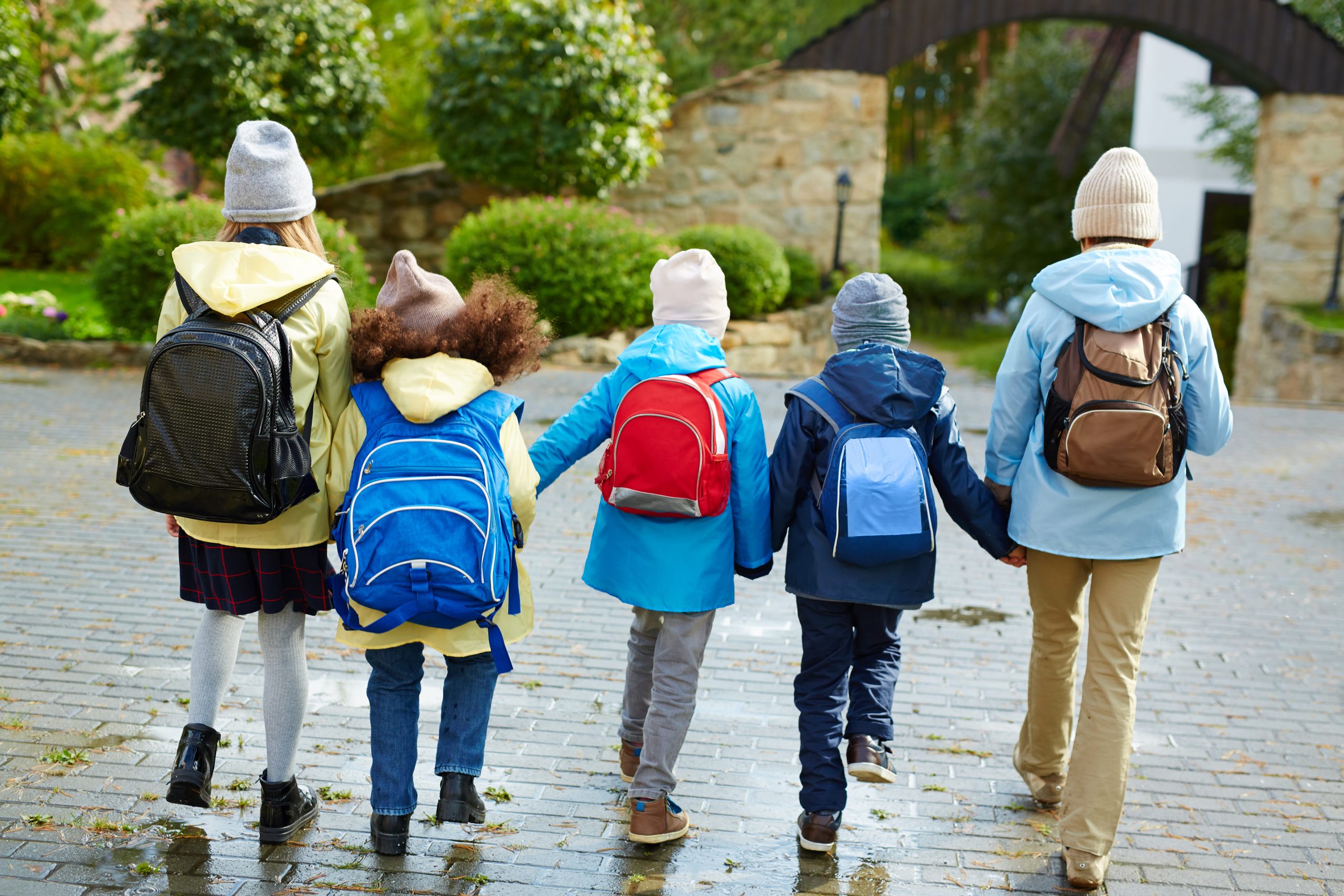
The Gauteng Department of Education (GDE) and Gauteng Department of Community Safety (GDCS) are urging parents, guardians and caregivers to prioritise children’s safety during the winter school holidays, warning that pupils face increased risks while spending more time away from school.
Public schools across Gauteng closed on Friday, 26 June, and learners are expected to return for Term 3 on Tuesday, 21 July 2026. During the break, officials say children are more likely to travel, play outdoors, visit relatives or spend extended periods online, making supervision and community vigilance especially important.
The departments have called on families and communities to work together to reduce the risk of accidents, abuse, neglect and online exploitation during the holiday period.
ALSO READ: June School Holidays 2026: Things to Do with Kids in Gauteng
ALSO READ: Gauteng School Calendar 2026 and 2027: Term Dates and School Holidays
Departments issue joint safety appeal
In a joint statement released on Monday, the Gauteng Department of Education and Gauteng Department of Community Safety said protecting children requires continuous attention throughout the school break.
The departments urged parents and caregivers to remain aware of their children’s whereabouts and to ensure they are supervised by responsible adults whenever possible.
According to the statement, school holidays can expose children to additional risks because they spend less time in structured environments and more time participating in recreational and social activities.
Officials said simple safety precautions can significantly reduce potential dangers.
Practical safety measures for families
The departments encouraged parents and caregivers to take several practical steps during the holidays, including:
- Always knowing where children are and who they are with.
- Ensuring younger children remain under the supervision of a trusted adult.
- Teaching children their full name, home address and parents’ or guardians’ cellphone numbers.
- Speaking to children about road safety and using designated pedestrian crossings.
- Preventing children from playing near busy roads, rivers, dams, railway lines, abandoned buildings or construction sites.
- Monitoring children’s internet and social media activity.
- Discussing the risks of communicating with strangers online.
- Encouraging participation in structured educational, sporting or recreational holiday programmes.
The departments said these measures help reduce exposure to preventable accidents and other safety risks.
Online safety remains a growing concern
Authorities also highlighted the importance of protecting children in digital spaces.
With many learners spending more time on smartphones, tablets and gaming platforms during the holidays, parents are encouraged to monitor online activity and have open conversations about internet safety.
The departments warned children against sharing personal information online or interacting with unknown individuals through social media, messaging platforms or gaming applications.
Officials said increased awareness and parental involvement remain key to reducing online risks.
Communities encouraged to help protect children
The departments stressed that safeguarding children is not solely the responsibility of parents and caregivers.
They called on community members to remain vigilant and report any concerns involving child abuse, neglect, exploitation or criminal activity affecting children.
“It takes a village to raise a child,” the departments said, adding that teachers, police officers, community patrollers, street vendors and residents all have a role to play in helping create safer communities.
Residents were also encouraged to report missing children or suspected abuse immediately to the South African Police Service (SAPS) or the relevant child protection authorities.
Why school holidays require extra vigilance
School holidays often bring changes to children’s daily routines.
Without the structure of the classroom, learners may spend more time outside the home, visiting friends, travelling with family or participating in holiday activities.
While these experiences provide opportunities for recreation and social development, officials say they also increase exposure to potential hazards if appropriate supervision is not in place.
The departments noted that greater awareness from both families and communities can help prevent incidents before they occur.
What This Means for Gauteng Residents
For parents and caregivers across Gauteng, the winter school holidays present an opportunity to balance recreation with safety.
Government departments are encouraging families to remain engaged with children’s daily activities, whether they are at home, attending holiday programmes, travelling or spending time online.
The appeal also places responsibility on communities to remain alert and support efforts to keep children safe throughout the holiday period.
FAQ
When do Gauteng schools reopen?
Public schools are scheduled to reopen for Term 3 on Tuesday, 21 July 2026.
Why have the departments issued this warning?
Officials say children often spend more time away from structured school environments during holidays, increasing their exposure to accidents, online risks and other safety concerns.
What should parents teach children before going out?
Children should know their home address, their parents’ or guardians’ full names and at least one contact number in case of an emergency.
What online safety advice has been issued?
Parents are encouraged to monitor children’s online activity and educate them about the dangers of communicating with strangers or sharing personal information online.
Who should residents contact if they suspect child abuse or neglect?
Residents should report concerns to their nearest SAPS station or the appropriate child protection authorities as soon as possible.
What Happens Next
Learners will remain on the winter school break until schools reopen on 21 July, with the Gauteng Department of Education and the Gauteng Department of Community Safety encouraging continued vigilance throughout the holiday period. Authorities say they will continue working with schools, communities and law enforcement partners to promote child safety and have urged residents to report any incidents involving children without delay.
