





Human Rights Month places renewed focus on the sites where South Africa’s democratic story was shaped through protest, imprisonment, sacrifice and resistance. In Gauteng, several museums, memorials and heritage precincts continue to draw visitors each March because they connect national history to real places that can still be visited today. For residents, schools and local travellers, these sites matter not only as places of remembrance but also as anchors of cultural tourism, education and township economic activity.
From Soweto and Sharpeville to Braamfontein and Pretoria, Gauteng’s freedom route shows how the province remains central to the story of apartheid, resistance, and constitutional democracy. It also highlights how heritage tourism continues to support guides, transport operators, traders, and nearby small businesses during one of the province’s most important commemorative months.
ALSO READ: LIV Golf South Africa 2026: The Ultimate Steyn City Weekend Guide
Why Human Rights Month matters in Gauteng
Human Rights Month in South Africa is closely linked to the events of 21 March 1960, when police opened fire on protesters in Sharpeville. That massacre became a defining moment in the country’s liberation struggle and helped shape the significance of Human Rights Day.
In Gauteng, that history is not abstract. It is tied to actual streets, prison cells, grave sites, courtrooms, and museums that preserve the record of what people endured and how communities fought back.
For visitors planning March outings, these sites offer more than museum visits. They provide context for current conversations about rights, democracy, memory and public accountability.
Constitution Hill and the Women’s Jail
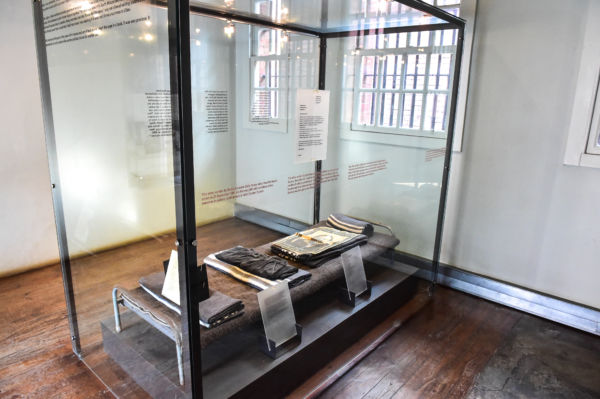
Constitution Hill remains one of the most important freedom landmarks in Gauteng. Located in Braamfontein, the precinct reflects South Africa’s journey from colonial rule and apartheid to constitutional democracy.
The site once functioned as a prison and military fort. Men, women and children were incarcerated there over many decades. Today, the old prison buildings stand alongside the Constitutional Court, creating a sharp contrast between a history of abuse and the country’s democratic legal order.
Within the precinct, the Women’s Jail is one of the most powerful spaces to visit during Human Rights Month. Many women were imprisoned there for pass law offences, political activism and anti apartheid protest. Prominent figures such as Albertina Sisulu, Winnie Madikizela Mandela, Barbara Hogan and Fatima Meer were among those incarcerated there.
The site matters because it brings gendered experiences of oppression into the wider freedom story and shows how women carried both the burden of repression and the leadership of resistance.

Constitution Hill
Apartheid Museum
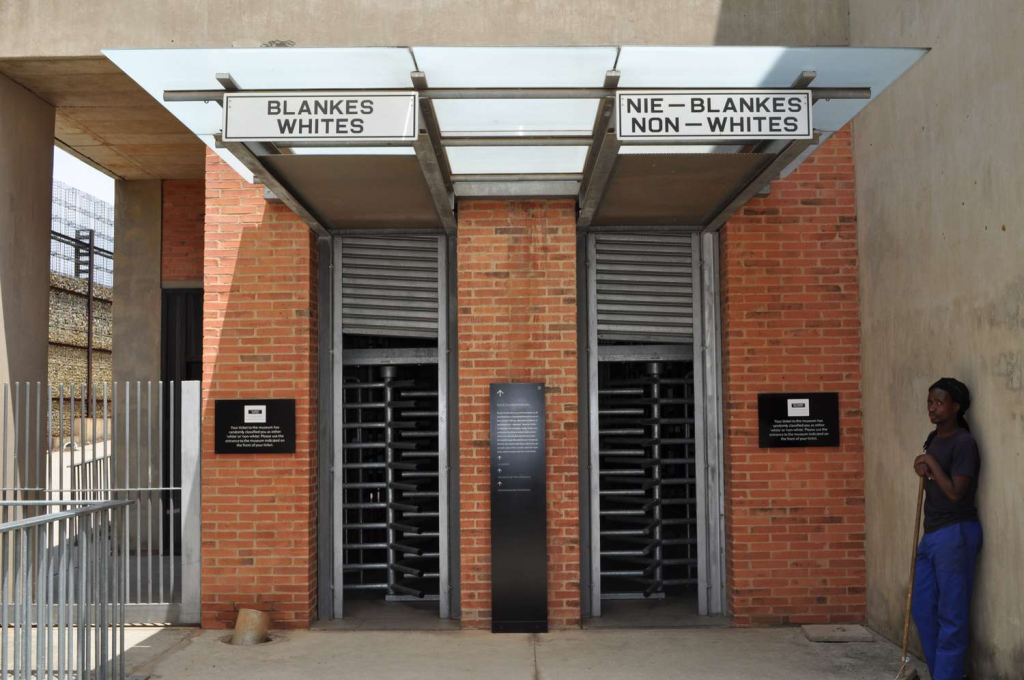
The Apartheid Museum in Johannesburg remains one of the country’s most visited heritage sites. It opened in 2001 and was created to document the rise and fall of apartheid through photographs, film, text, artefacts, and personal testimony.
Its exhibits take visitors through the legal system of racial segregation, everyday restrictions imposed on black South Africans, the machinery of state violence, and the many forms of resistance that emerged over decades.
For Human Rights Month, the museum is especially significant because it helps visitors understand how human rights were denied through laws, institutions, and public policy, not only through isolated acts of violence.
It also remains one of the clearest starting points for younger visitors who want a broad overview before exploring more site-specific memorials across the province.
Sharpeville Memorial
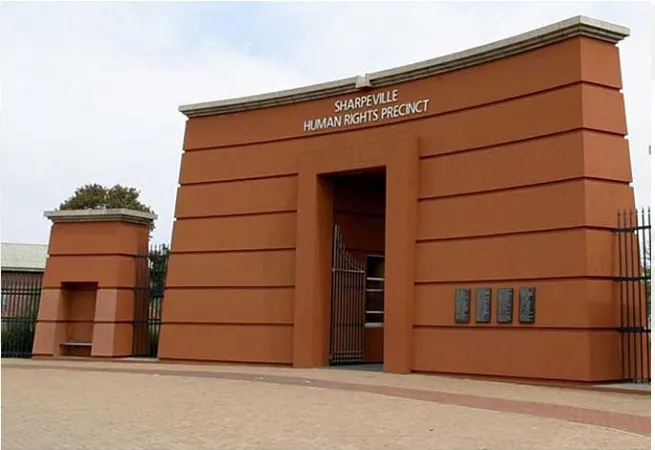
The Sharpeville Memorial stands in one of the most historically important locations in South Africa’s freedom story. It commemorates the 69 people killed on 21 March 1960 when police opened fire on a peaceful anti-pass protest organised by the Pan Africanist Congress.
The memorial site, located within the wider Sharpeville heritage precinct, was designed as a place of remembrance, procession and reflection. Visitors move past the 69 graves before entering the memorial garden, where the design draws attention back to those who died.
The space is particularly important during Human Rights Month because it centres the event that gave rise to Human Rights Day itself. It also draws visitors into the Vaal area, where heritage travel can support local guides, small food outlets and township-linked tourism services.
Hector Pieterson Memorial and Museum
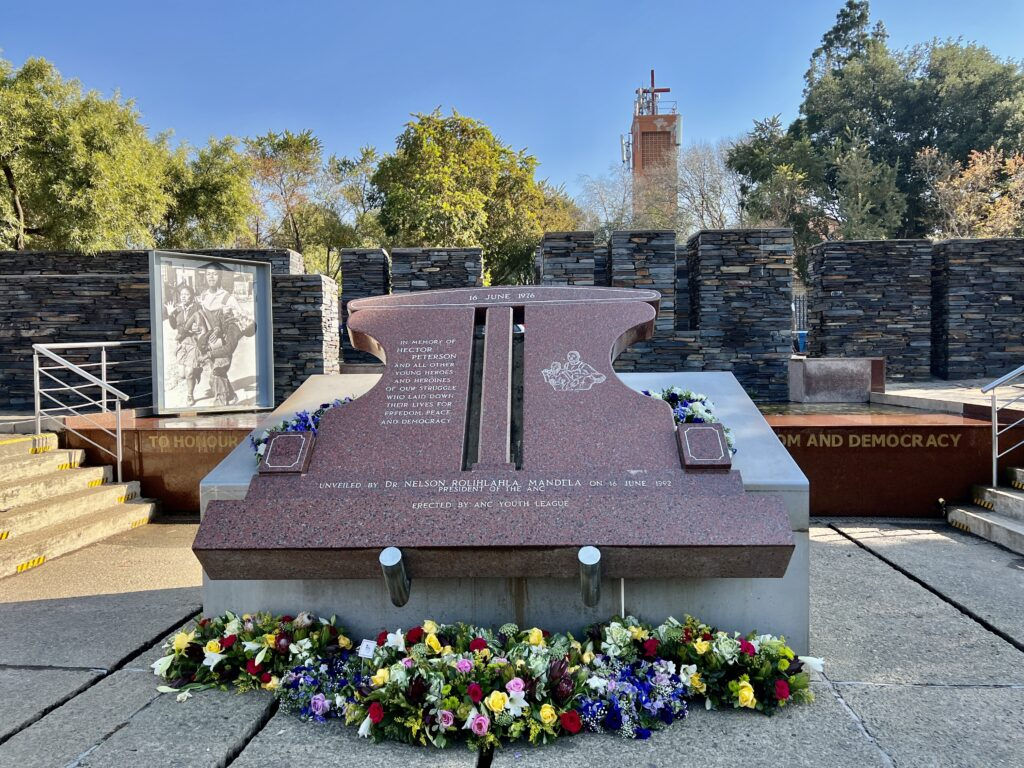
No freedom itinerary in Gauteng is complete without the Hector Pieterson Memorial and Museum in Soweto. The museum honours the children and students who took part in the 16 June 1976 uprising against apartheid education policies.
Hector Pieterson’s death became one of the most internationally recognised images of apartheid brutality. The museum and memorial preserve that history through photographs, testimonies and archival material that explain why schoolchildren took to the streets and how the uprising changed the political mood inside and outside South Africa.
For families and school groups, this is one of the most direct ways to connect youth activism to the broader struggle for rights and dignity.
It also strengthens Soweto’s place within Gauteng’s heritage tourism economy, supporting a local ecosystem of guides, restaurants, transport providers and nearby attractions.
Liliesleaf Farm
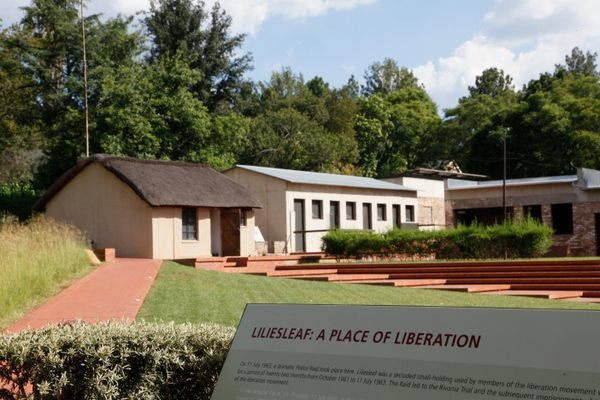
Liliesleaf Farm in Rivonia occupies a different but equally important place in the freedom story. Between 1961 and 1963, it served as a secret headquarters for the ANC, South African Communist Party, Umkhonto we Sizwe and the Congress Alliance.
The police raid on Liliesleaf in July 1963 led to the arrest of key underground leaders and shaped the Rivonia Trial, one of the most significant trials in South African history. Nelson Mandela, already imprisoned at the time, became Accused Number 1 in that trial.
Today, Liliesleaf tells the story of underground resistance, strategy, risk and sacrifice. It helps visitors understand that the liberation struggle was fought not only in streets and public protests, but also through covert political organising and long-term planning.
Freedom Park
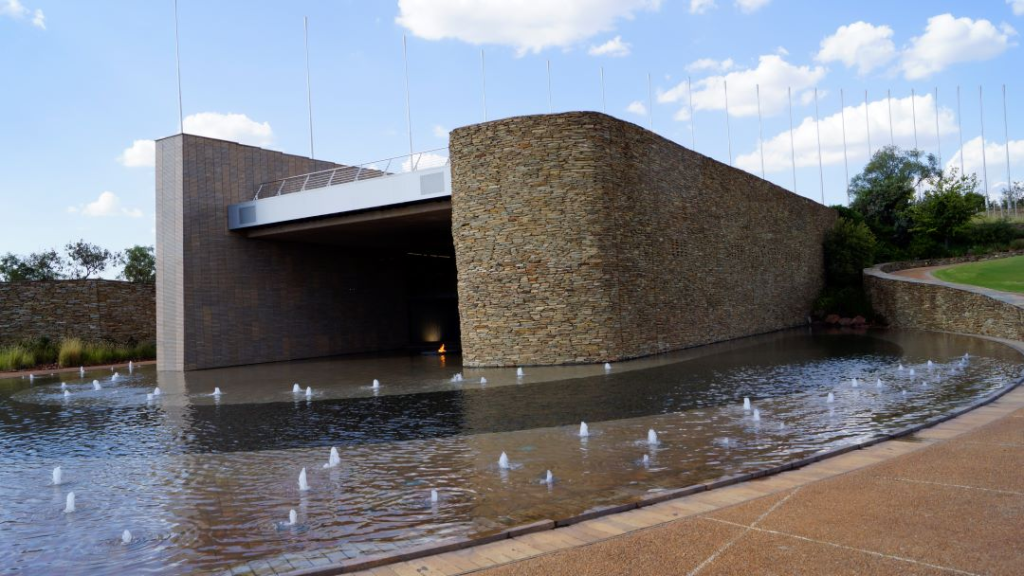
Freedom Park in Pretoria offers a broader national and spiritual interpretation of memory and freedom. The site tells South Africa’s story across multiple historical periods and includes memorial spaces such as Isivivane, S khumbuto, the Wall of Names, the Sanctuary, and the Eternal Flame.
Unlike single-event museums, Freedom Park brings together pre-colonial history, wars of resistance, industrialisation, nationalism, liberation struggle, and nation building. It creates a wider frame for understanding how freedom was contested and how memory is carried across generations.
Its role during Human Rights Month is to place democracy and rights within a much longer historical arc, rather than limiting the story to the twentieth century alone.
What This Means for Gauteng Residents
Human Rights Month heritage travel is not only symbolic. It has real local economic value.
These sites support:
• Local tour guides and historians
• Township restaurants and street traders
• Transport services and shuttle operators
• Craft sellers and nearby small businesses
• Museums, educators and event workers
For Gauteng residents, visiting these places can also shift Human Rights Month away from a date on the calendar and into a lived public experience. It turns remembrance into movement across the province and strengthens links between local tourism and historical literacy.
FAQ’s
What are the best places to visit in Gauteng for Human Rights Month 2026?
Key sites include Constitution Hill, the Women’s Jail, the Apartheid Museum, Sharpeville Memorial, Hector Pieterson Memorial and Museum, Liliesleaf Farm, and Freedom Park.
Why is Sharpeville important during Human Rights Month?
Sharpeville is where 69 people were killed on 21 March 1960 during an anti-pass protest. That event is central to the meaning of Human Rights Day in South Africa.
Which Gauteng site is best for learning about the 1976 Soweto Uprising?
The Hector Pieterson Memorial and Museum in Soweto is the most direct site for understanding the 1976 student uprising.
Does heritage tourism help local communities in Gauteng?
Yes. Heritage tourism supports guides, traders, transport providers, township businesses, and cultural workers linked to these visitor routes.
Can families visit these places during March?
Yes. Many of these sites are suitable for families, school groups, and local travellers planning educational outings during Human Rights Month.
What Happens Next
As Human Rights Day approaches, these sites are likely to see increased interest from schools, residents, guided groups, and domestic travellers. Gauteng’s heritage network remains one of the strongest ways to connect public commemoration with local tourism and education.
For residents planning March outings, the province’s freedom route offers a practical way to mark Human Rights Month while engaging directly with the places that shaped South Africa’s democratic story.
To map out stops across Johannesburg, Soweto, Sharpeville and Pretoria, residents can plan their Human Rights Month itinerary on the Visit Gauteng App.
