





Cold temperatures and cloudy skies do not mean ultraviolet radiation disappears, which is why skin protection remains important throughout winter in Gauteng. UVA and UVB rays are present throughout the year, although their intensity changes with the season, and people who spend time outdoors or close to windows may still receive ultraviolet exposure. However, sunscreen is generally not necessary for people spending the entire day indoors away from direct sunlight, according to guidance from the Cancer Council Australia.
The practical message for Gauteng residents is simple: sunscreen remains useful in winter and on cloudy days, but indoor use depends on how much direct sunlight reaches your skin.
ALSO READ: Top 10 Children’s Hair Salons in Gauteng for Braids, Cornrows and Kids’ Haircuts
Why Sunscreen Still Matters in Winter
Many people associate sunscreen with summer holidays, swimming pools and hot days. Ultraviolet radiation, however, does not disappear when temperatures fall.
According to Clicks, UVA rays remain present throughout winter and can penetrate cloud cover and some types of glass. UVA exposure is associated with premature skin ageing and can contribute to pigmentation and other forms of long term skin damage.
UVB rays, which are the primary cause of sunburn, are generally weaker during winter than during summer.
For people who spend time outdoors, dermatology guidance commonly recommends using a broad spectrum sunscreen with an SPF of at least 30 on exposed skin.
Do You Really Need Sunscreen Indoors?
The answer depends on where you spend your time.
Cancer Council Australia says there is generally no need to apply sunscreen when staying indoors because the risk of ultraviolet exposure is low.
Standard glass usually blocks most UVB radiation, while the amount of UVA that passes through depends on the type of glass.
However, people who spend extended periods next to a window receiving direct sunlight may still want to consider sun protection.
This can include:
- Wearing clothing that covers exposed skin
- Moving away from direct sunlight where possible
- Using blinds or curtains
- Applying sunscreen if significant direct sunlight reaches the skin
The Cancer Council also notes that some laminated glass can block UVA more effectively than ordinary glass.
Cloudy Days Do Not Remove UV Exposure
Cloud cover can make the sun feel weaker, but ultraviolet radiation can still reach the skin.
Nivea notes that UVA and UVB rays remain present during cloudy and cooler weather, which means people spending time outdoors should not judge sun protection needs based only on temperature.
A cold Johannesburg or Pretoria morning can therefore still involve ultraviolet exposure even when the sun does not feel particularly strong.
Checking the daily UV index remains one of the most practical ways to determine whether additional sun protection is needed.
Cold Weather Can Affect the Skin Barrier
Winter brings another challenge for skin health.
Cold air, wind and lower humidity can remove moisture from the skin, leaving it dry, tight or irritated.
Clicks notes that winter conditions may increase dryness and make the skin more vulnerable to cracking and irritation.
Using moisturiser alongside sunscreen can therefore help people protect their skin from both dryness and ultraviolet exposure.
For people with particularly dry winter skin, a moisturising sunscreen may be easier to tolerate than a very mattifying formula.
What About Phones, Computers and Blue Light?
Phones, tablets and computer screens produce visible blue light, but this should not be confused with ultraviolet radiation from the sun.
Current consumer guidance on sunscreen focuses mainly on protection from UVA and UVB radiation.
People should therefore not assume that sunscreen is necessary indoors simply because they use a laptop or mobile phone.
The more important consideration is whether the person is exposed to direct sunlight through windows or moves outdoors during the day.
How Much Sunscreen Should You Use?
For outdoor protection, sunscreen should be applied to all exposed areas of skin.
This commonly includes:
- Face
- Ears
- Neck
- Hands
- Arms
- Any other uncovered skin
Broad spectrum SPF 30 or higher is generally recommended for meaningful ultraviolet protection.
Sunscreen should also be reapplied during prolonged outdoor exposure, particularly after swimming, sweating or wiping the skin.
Sunscreen Options Available in South Africa
South African consumers have access to a wide range of sunscreens designed for different skin types, budgets and complexions.
Popular options available locally include:
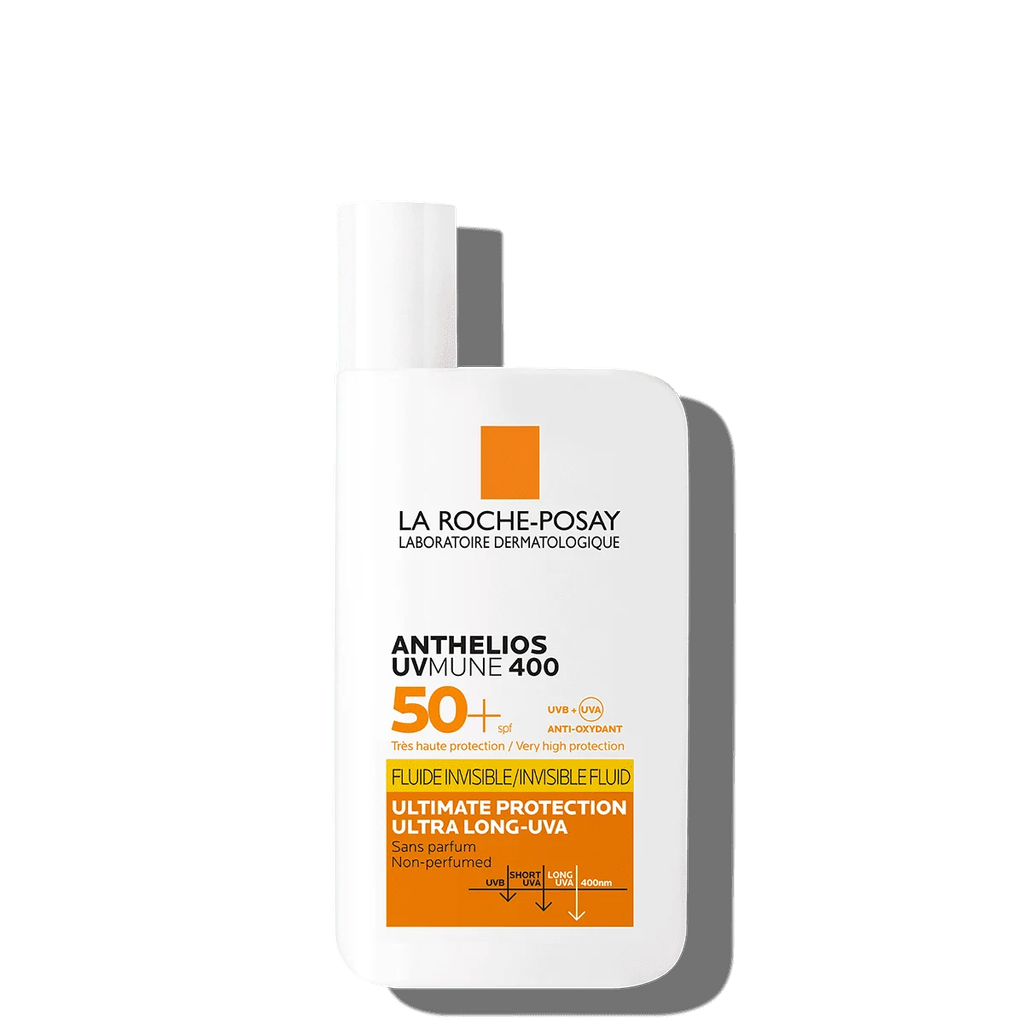
La Roche Posay Anthelios UVMune 400 Invisible Fluid SPF50+
This lightweight fluid is designed to provide high ultraviolet protection without a heavy finish.
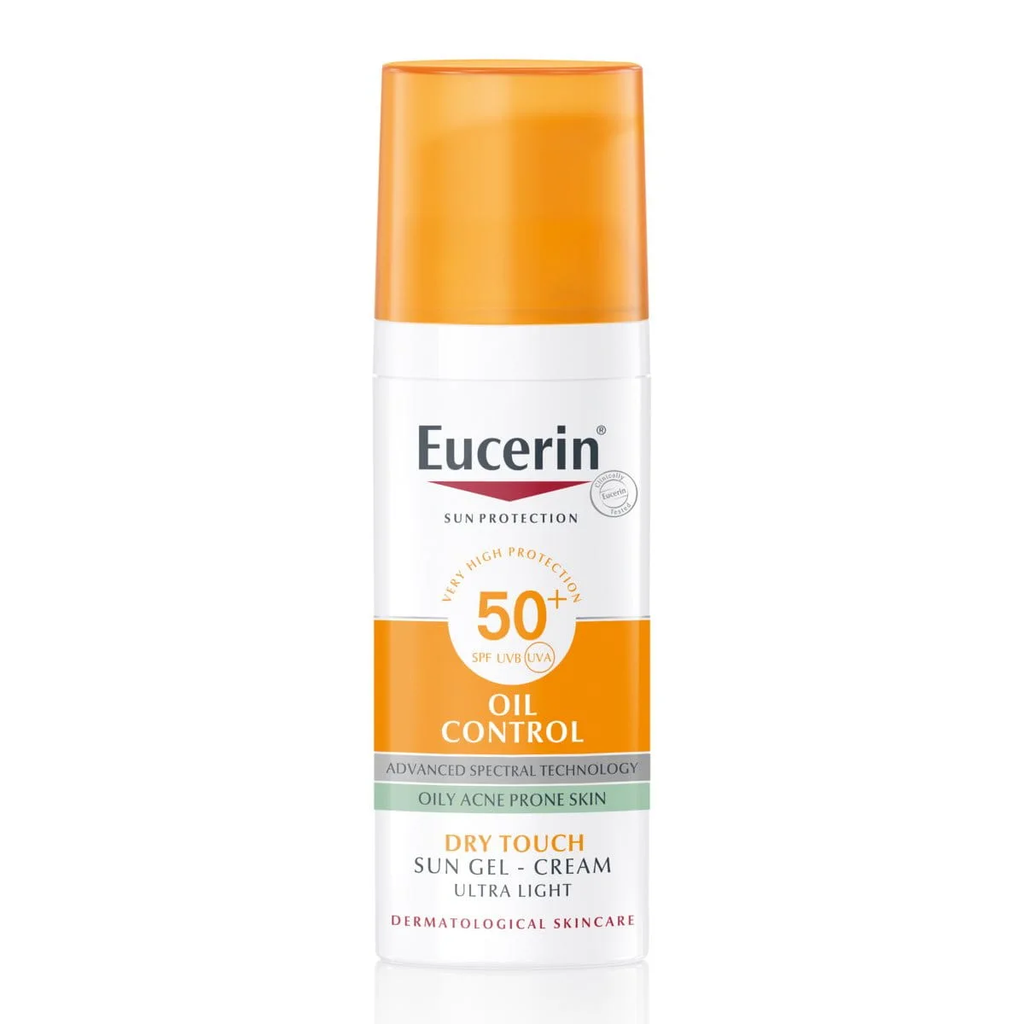
Eucerin Sun Protection Oil Control Gel Cream SPF50+
This option is aimed at oily and combination skin and is designed to provide a more matte finish.
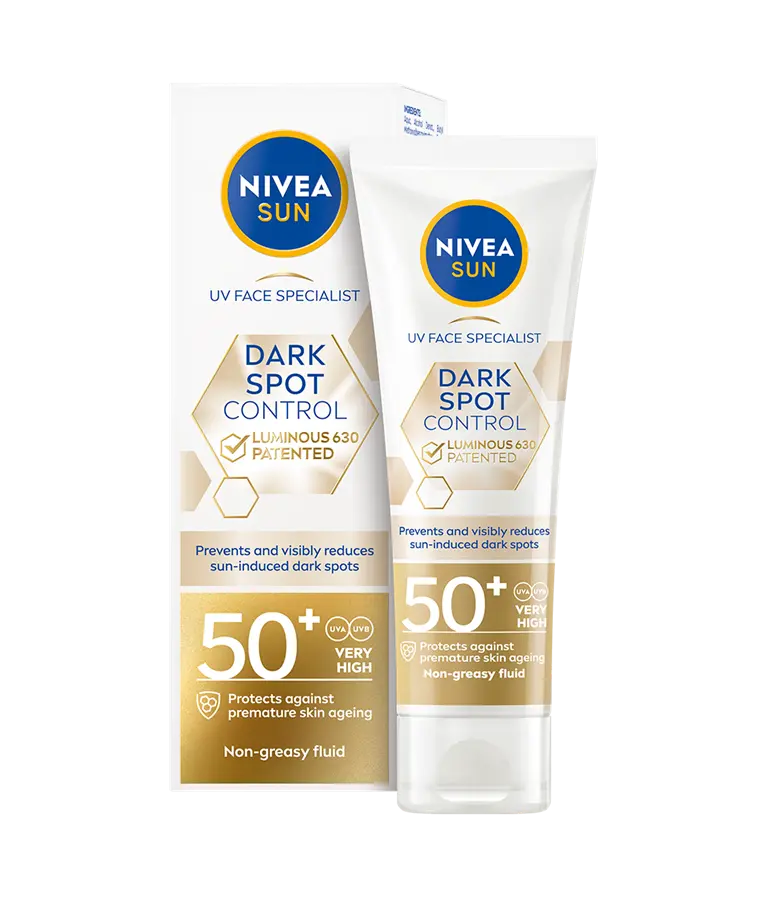
Nivea Sun Face Spot Control Luminous630 SPF50+
This sunscreen combines ultraviolet protection with ingredients aimed at managing the appearance of dark spots.
SKIN functional Sun Functional SPF50
This locally available option offers high factor daily sun protection in a lightweight formula.
Heliocare 360 Gel Oil Free SPF50
This is a higher-priced option commonly used by people seeking lightweight protection for oily or combination skin.
Swiitch Beauty Silkscreen SPF50 Sun Shield
This South African beauty brand offers an SPF50 product designed to work as part of a daily skincare routine.
Standard Beauty Mattifying Fluid SPF50
This local option is aimed at consumers looking for affordable, high factor facial protection.
Consumers should select sunscreen based on their skin type, sensitivity, budget and how the product feels during daily use.
What This Means for Gauteng Residents
Gauteng’s winter weather can be cold and dry, but that does not mean ultraviolet exposure disappears.
Residents who commute, walk outdoors, exercise outside or spend time in direct sunlight should continue using appropriate sun protection during winter.
People who remain indoors away from direct sunlight generally do not need sunscreen solely because they are inside.
However, those who sit next to sunny windows for long periods may benefit from additional protection, especially if direct sunlight reaches exposed skin.
The most practical approach is to consider daily UV exposure rather than temperature alone.
Frequently Asked Questions
Do I Need Sunscreen Every Day in Winter?
If you are spending time outdoors and the UV index is elevated, sunscreen is recommended. Cold temperatures do not eliminate ultraviolet radiation.
Do I Need Sunscreen If I Stay Indoors All Day?
Usually not. Cancer Council guidance says the risk of ultraviolet exposure indoors is generally low unless you spend prolonged periods next to windows receiving direct sunlight.
Can UVA Rays Pass Through Windows?
Yes, some UVA radiation can pass through standard glass, although the amount varies depending on the type of glass.
What SPF Should I Use?
A broad spectrum sunscreen with SPF 30 or higher is generally recommended for outdoor ultraviolet protection.
Does Cloudy Weather Mean I Can Skip Sunscreen?
Not necessarily. Ultraviolet radiation can still reach the skin through cloud cover, so outdoor protection may still be necessary.
Sunscreen remains an important part of skin protection throughout the year, including Gauteng’s colder months. The strongest evidence supports using it when ultraviolet exposure is likely, particularly outdoors, while indoor use depends largely on proximity to direct sunlight. Rather than relying on temperature or cloud cover, residents should consider their actual sun exposure and use broad spectrum protection when needed.
