




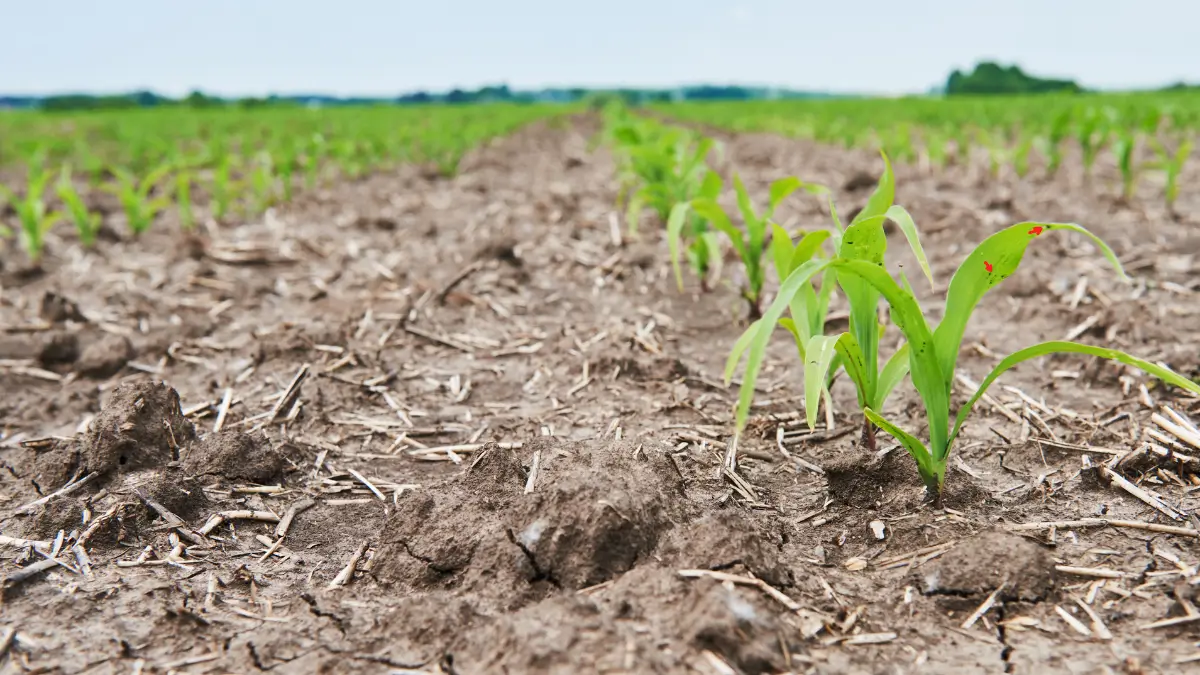
South African households could face higher food prices in 2027 as a strengthening El Niño weather pattern threatens the country’s next summer harvest. Agricultural Business Chamber of South Africa (Agbiz) chief economist Wandile Sihlobo has warned that hotter, drier conditions could affect crops planted from October 2026, with the impact potentially reaching supermarket shelves from mid 2027. For Gauteng consumers, the concern is that maize products and other everyday groceries could become more expensive despite food inflation remaining relatively low in 2026.
The warning comes as South Africa prepares for its next summer planting season following a record agricultural harvest that has helped contain food prices.
Sihlobo said the immediate outlook remains relatively favourable, but rising fuel and fertiliser costs, combined with the risk of drought, could place additional pressure on food prices next year.
ALSO READ: Fuel Price South Africa: Latest Petrol and Diesel Prices and Forecasts
When Could El Niño Start Affecting Food Prices?
According to Sihlobo, the effects of El Niño on consumer food prices are more likely to become visible in 2027 than during the remainder of 2026.
Farmers are expected to begin planting summer grains and oilseeds from mid October 2026. The crops will enter the market around mid 2027.
If dry weather reduces production, lower supplies could eventually contribute to higher prices for maize and related food products.
Sihlobo explained that increases in grain commodity prices generally take three to four months to filter through to retail food prices.
This means households may not immediately experience the full effect of rising agricultural commodity prices.
South African Weather Service Warns Of Strong El Niño
The South African Weather Service (SAWS) raised concerns about the developing El Niño conditions in its August 2026 seasonal Climate Watch report.
According to the report, the El Niño Southern Oscillation was already in an El Niño state and was expected to strengthen over the following months.
SAWS indicated that the weather pattern could persist until at least the end of the 2026/27 summer season.
El Niño occurs when surface waters in parts of the Pacific Ocean become warmer than usual, influencing weather patterns across different regions.
In Southern Africa, the phenomenon is commonly associated with warmer temperatures and below average rainfall.
However, the actual impact on agriculture will depend on how rainfall and temperatures develop throughout the planting and growing season.
Food Inflation Remains Low Despite Rising Risks
South Africa’s recent agricultural performance has helped protect consumers from sharper food price increases.
According to Statistics South Africa, food inflation reached 0.7% in August 2026, compared with 0.6% in July.
Both readings were among the lowest recorded since 2010.
Sihlobo attributed the relatively low inflation to strong supplies of grain products, fruit and vegetables following favourable agricultural conditions.
The country’s 2025/26 maize harvest was estimated at 17.4 million tons, representing a 4% increase from the previous season.
This included approximately 9.5 million tons of white maize and 7.9 million tons of yellow maize.
South Africa’s annual maize consumption is approximately 12 million tons, leaving substantial supplies available for domestic use and exports.
These stocks provide some protection against immediate shortages, even as uncertainty grows over the next harvest.
Maize And Soybean Prices Already Reflect Weather Concerns
Although consumer food inflation remains low, agricultural commodity prices have already shown signs of pressure.
Sihlobo reported that by 18 September 2026, white maize prices had increased by 9% over the previous month, reaching approximately R3,965 per ton.
Yellow maize prices rose by 10% to approximately R3,931 per ton, while soybean prices increased by 13% to R8,953 per ton.
These increases occurred despite the strong harvest and substantial grain supplies.
Sihlobo said concerns about the approaching planting season appeared to be contributing to higher commodity prices.
However, rising commodity prices do not automatically translate into immediate increases at supermarkets.
The eventual effect will depend on production conditions, available supplies and how agricultural costs move through the food supply chain.
Higher Fuel And Fertiliser Costs Add Pressure
Weather conditions are not the only concern for South African farmers and consumers.
Sihlobo identified the conflict between the United States and Iran as a major immediate risk because of its effect on fuel and fertiliser costs.
Fuel plays an important role in transporting agricultural products and distributing food to retailers.
According to Sihlobo, more than 80% of staple food products are transported by road in South Africa.
Higher diesel prices can therefore increase the cost of moving food from farms and processing facilities to shops.
Fertiliser costs are another concern as farmers prepare their land for the 2026/27 planting season.
The combination of higher production costs and unfavourable weather could place additional pressure on agricultural businesses.
What This Means for Gauteng Residents
For Gauteng households, the most important distinction is between current food prices and the potential risks developing for 2027.
The available agricultural data suggests that food supplies remain relatively strong, meaning an immediate shortage of staple products has not been established.
However, residents who regularly purchase maize meal, grain products, vegetables and meat could face higher grocery costs if agricultural production and distribution expenses increase.
Gauteng consumers may also be affected by fuel related distribution costs because food products are transported across the country to reach retail outlets.
The extent of any increases remains uncertain and will depend partly on the next harvest.
Municipal water management is another concern.
Sihlobo has urged municipalities to reduce water losses ahead of potentially drier conditions.
A parliamentary reply by Water and Sanitation Minister Pemmy Majodina in June 2026 indicated that South Africa loses at least R26 billion annually through water losses.
Sihlobo warned that leaking infrastructure could place unnecessary pressure on available water resources during a dry summer.
Frequently Asked Questions
Will Food Prices Increase In South Africa In 2027?
Food prices could rise if El Niño reduces agricultural production or if fuel and fertiliser costs remain elevated. The extent of any increase has not been established.
When Will El Niño Affect South Africa?
According to the August 2026 SAWS outlook, El Niño conditions were expected to strengthen and potentially persist until the end of the 2026/27 summer season.
Which Food Prices Could Be Affected By El Niño?
Maize and other grain related products could be affected if drought reduces crop production. Other food categories may face pressure from higher agricultural and transport costs.
Why Is Food Inflation Still Low In 2026?
Strong harvests and substantial supplies of grains, fruit and vegetables have helped limit food inflation. Stats SA recorded food inflation of 0.7% in August 2026.
Could Meat Prices Also Increase?
Meat price inflation has recently moderated, according to Sihlobo. He cited cattle slaughter, domestic supplies affected by export restrictions and favourable poultry production conditions. Future price movements remain uncertain.
What To Watch As The Summer Planting Season Begins
Attention now turns to the 2026/27 summer planting season and whether the expected dry conditions affect farmers’ planting decisions and crop yields.
The next several months will help determine whether South Africa can maintain strong agricultural production despite the developing El Niño.
For consumers, the key indicators will be rainfall, grain production estimates, fuel costs and food inflation figures.
While existing harvest supplies offer some protection during the remainder of 2026, the performance of the next crop season will be important in determining food price movements during 2027.
SEO Package
SEO Headline: El Niño Food Prices 2027: When South Africans Could Pay More For Groceries
Meta Description: El Niño could push up food prices in South Africa in 2027. Find out when maize and grocery prices may rise and what it means for Gauteng.
Excerpt: South Africa’s strong harvest is keeping food inflation low, but economists warn that El Niño, higher fuel costs and drought risks could affect grocery prices in 2027.
Focus Keyphrase: El Niño food prices 2027
Category: Finance & Technology
