




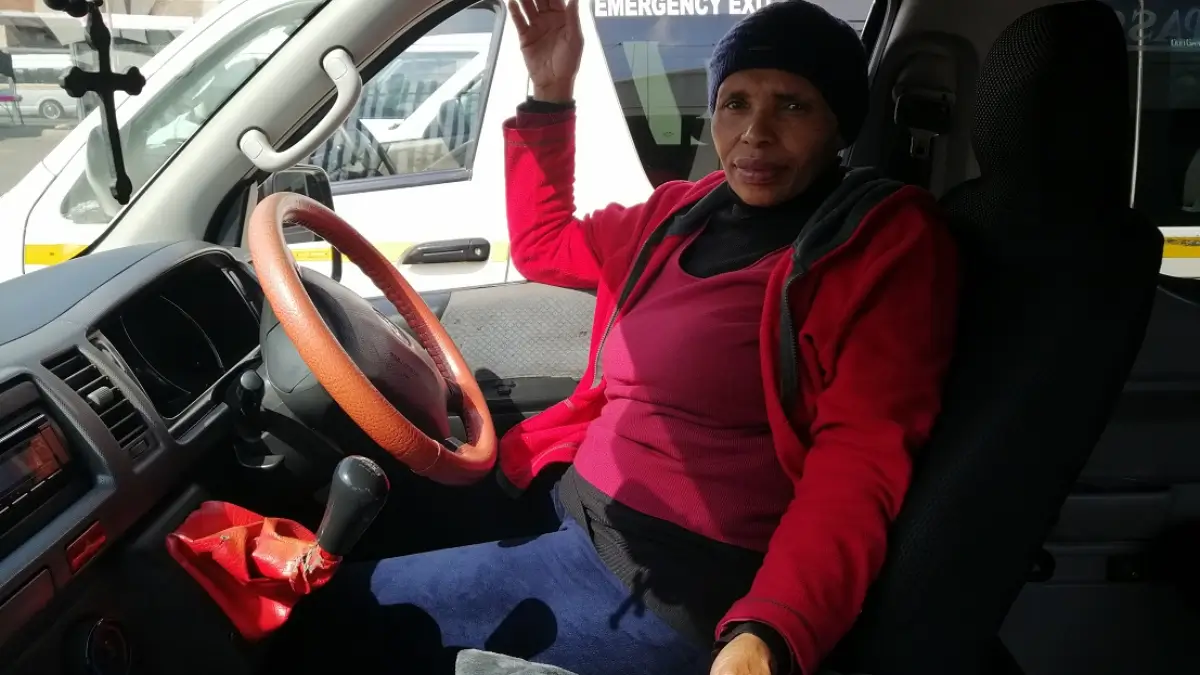
Women continue to be underrepresented in South Africa’s taxi industry despite its critical role in the country’s public transport system. Speaking at the South African National Taxi Council Women’s Month Summit, Transport Minister Barbara Creecy said women account for only about 2% of the industry’s workforce and own just 2.8% of operational minibus taxis. She said government and industry reforms aim to increase women’s participation in ownership, leadership and business opportunities within the sector.
The minister said the issue extends beyond employment and is about creating greater economic participation for women in one of South Africa’s largest transport industries.
Women Remain a Small Minority in The Taxi Industry
According to figures cited by Creecy from the International Labour Organisation, women remain significantly underrepresented across the taxi industry.
She said women should not only be passengers or occupy junior administrative positions but should also become taxi owners, fleet managers, mechanics and executives.
“True transformation means moving women from the back seat to the steering wheel of economic power,” Creecy said.
She added that government wants to see more women leading regional taxi associations, owning vehicle fleets, managing fuel depots, operating scholar transport services and participating in manufacturing and supply contracts linked to the transport sector.
Most Women Occupy Entry Level Roles
According to Creecy, many women currently employed by taxi associations work as administrative clerks, fare collectors or kitchen staff at taxi ranks.
She questioned how the industry could create more opportunities for women to participate across all levels of public transport.
One example of progress highlighted during the summit was the work of SA Taxi.
According to Creecy, the organisation has financed and invested in 4,382 female taxi owners who collectively operate 5,656 taxis.
She said these businesses have created more than 10,180 direct jobs within the sector.
Government Outlines Reforms for The Taxi Industry
The Department of Transport is working with the South African National Taxi Council on reforms aimed at modernising and formalising the taxi industry.
According to Creecy, the reform programme includes several initiatives:
- Repurposing the Taxi Recapitalisation Grant to help operators purchase more affordable vehicles with lower repayment costs.
- Developing a new online licensing system to reduce renewal backlogs and improve decision making by Provincial Regulatory Entities.
- Establishing nine pilot transport operating companies, one in each province, to introduce new management and investment models.
- Reforming public transport grants into a unified support model for road based public transport.
The minister said these reforms are intended to improve regulation, transparency, safety and investment across the industry.
Women Often Enter The Industry Through Difficult Circumstances
Creecy said many women become involved in the taxi industry after inheriting a business from a deceased husband or taking over a family operation.
She noted that many do so without formal training or preparation.
According to the minister, women require continued institutional support through mentorship, skills development, access to finance and business training to build sustainable enterprises.
She added that the role of Santaco Women’s Desk should extend beyond supporting women already working in the industry.
Taxi Industry Has a Wider Social Responsibility
Creecy described the taxi industry as more than simply a transport service.
She said taxis form part of the social fabric of communities because drivers and operators interact daily with schoolchildren, workers, traders, students and other vulnerable groups.
According to the minister, this places responsibility on the industry to help combat gender based violence and femicide.
She acknowledged initiatives such as the Safe Minibus Taxi Charter and anti gender based violence training programmes introduced by Santaco Women and civil society organisations.
Safety Remains a Priority
Creecy called for stronger enforcement against abuse and harassment across taxi ranks and routes.
She said drivers, marshals and operators should become the first line of defence against gender based violence.
“If you see harassment, you must speak up,” she said.
The minister added that passengers should be able to travel safely regardless of whether they are commuting to work, school or other destinations.
“Safety is not a privilege; it is a fundamental human right,” Creecy said.
What This Means for Gauteng Residents
The minibus taxi industry remains the primary mode of public transport for millions of Gauteng residents every day.
Government’s proposed reforms aim to improve regulation, licensing, safety and investment while creating more opportunities for women to participate as business owners and industry leaders.
If implemented successfully, these measures could strengthen the sustainability of the taxi sector while improving safety standards and expanding economic opportunities for women across Gauteng.
Frequently Asked Questions
How many women own taxis in South Africa?
According to figures cited by Transport Minister Barbara Creecy, women own approximately 2.8% of operational minibus taxis in South Africa.
What percentage of taxi workers are women?
Women make up about 2% of the workforce in the South African minibus taxi industry, according to the International Labour Organisation figures referenced by Creecy.
What reforms are planned for the taxi industry?
Government is proposing reforms that include a new online licensing system, changes to the Taxi Recapitalisation Grant, pilot transport operating companies and a unified public transport funding model.
Why is government encouraging more women to join the taxi industry?
According to Creecy, increasing women’s participation promotes economic empowerment while expanding opportunities for ownership, leadership and entrepreneurship within the transport sector.
How does this affect Gauteng commuters?
The reforms are intended to create a safer, more efficient and better regulated public transport system while strengthening the long term sustainability of the taxi industry.
Looking Ahead
The Department of Transport says increasing women’s participation in South Africa’s taxi industry forms part of broader efforts to modernise public transport and improve economic inclusion. Through funding reforms, licensing improvements, mentorship and industry partnerships, government hopes to create greater opportunities for women to become owners, leaders and decision makers in one of the country’s most important transport sectors. As these reforms progress, the focus will remain on building a safer, more sustainable taxi industry that better serves commuters and supports inclusive economic growth.
