




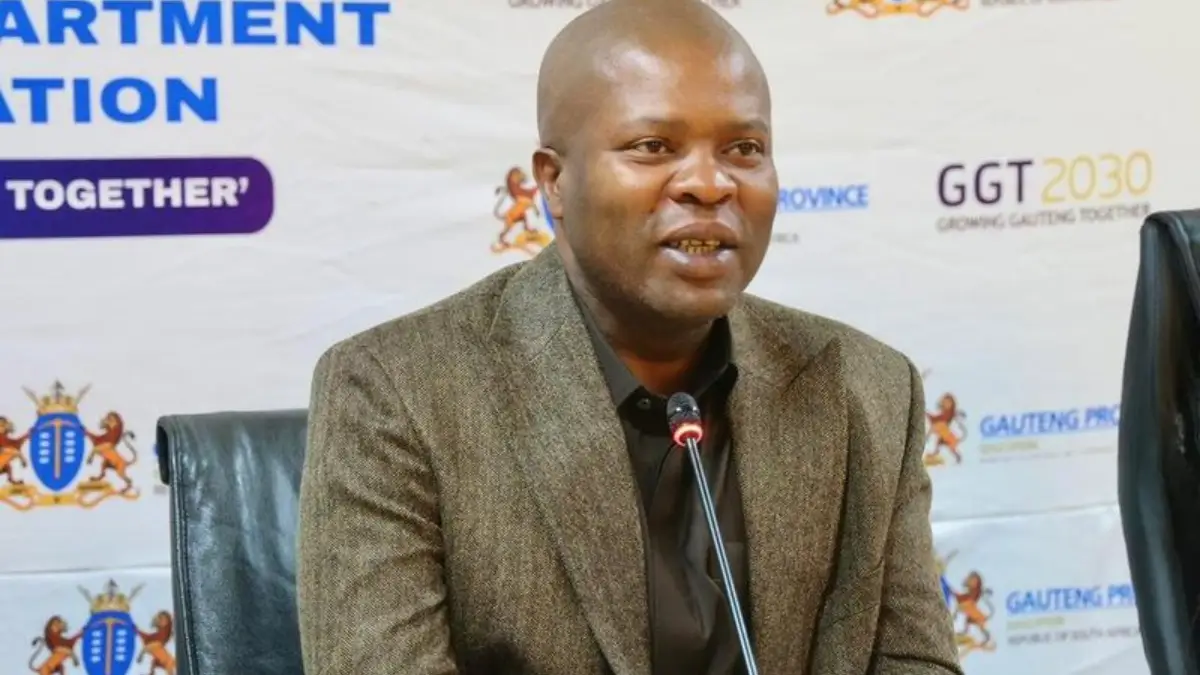
The Gauteng Provincial Legislature has tabled key departmental budget votes for the 2026/27 financial year, outlining how billions of rand will be spent on education, infrastructure, youth development, libraries, sports facilities and community services across the province.
Among the largest allocations announced this week is the Gauteng Department of Education’s R70.9 billion budget, which aims to address growing learner numbers, school infrastructure demands and educational support programmes. The budget was presented during a hybrid sitting of the Legislature held at Selborne Hall in Johannesburg.
The spending plans come as Gauteng continues to experience rapid population growth, increasing pressure on schools, community facilities and social services, particularly in high-density urban areas.
ALSO READ: South Africa’s Literacy Crisis: 7 in 10 Young Learners Cannot Read at Grade Level
Education Receives Gauteng’s Largest Budget Allocation
Education remains one of the province’s biggest spending priorities, with the department’s budget increasing from approximately R68 billion in the previous financial year to R70.9 billion for 2026/27.
Presenting the budget, MEC Lebogang Maile said the department continues to face challenges linked to urbanisation, migration, overcrowding and growing learner enrolment.
The budget includes several major allocations:
- R2.7 billion for school infrastructure development
- R994 million for Early Childhood Development (ECD) expansion
- R1.2 billion for mathematics, science, technology and literacy programmes
- R3.3 billion for learner wellness, school safety and psychosocial support
- R3.7 billion for education modernisation initiatives
The department currently serves more than 2.8 million learners across Gauteng’s public education system.
Focus on School Infrastructure and Overcrowding
A significant portion of the budget will be directed towards infrastructure projects aimed at easing overcrowding and improving learning environments.
School infrastructure remains one of Gauteng’s biggest challenges due to population growth and increasing demand for placement in public schools.
The department said investment in classrooms, maintenance projects and modernisation programmes will remain a priority throughout the financial year.
Infrastructure spending is expected to focus on areas experiencing the highest learner growth, particularly in township communities, informal settlements and rapidly expanding urban developments.
Early Childhood Development Continues to Expand
The province has allocated nearly R1 billion towards Early Childhood Development programmes.
Government has increasingly emphasised the importance of early learning as part of broader education reform efforts.
The funding is expected to support:
- Grade R expansion
- School readiness programmes
- Learning support interventions
- ECD centre development
The allocation forms part of efforts to improve educational outcomes from the foundation phase.
Learner Wellness and School Safety Remain Priorities
Beyond academics, the budget places significant emphasis on learner wellbeing.
The department has set aside R3.3 billion for programmes aimed at supporting learners through:
- School safety initiatives
- Psychosocial support services
- Anti-substance abuse programmes
- School health interventions
- Sports and cultural activities
Officials have repeatedly highlighted concerns around mental health, substance abuse, violence and social challenges affecting learners.
The funding is intended to strengthen support systems both inside and outside the classroom.
Investment in Sports, Arts and Community Development
The Legislature also considered spending plans linked to sports, arts, culture and recreation.
According to the department, funding will support:
- Community sports programmes
- Youth development initiatives
- Library services
- Recreational facilities
- Arts and cultural projects
Several projects are expected to focus on creating opportunities for young people while improving access to public facilities.
The province has also committed funding towards maintaining and upgrading sporting infrastructure used by communities across Gauteng.
Libraries and Community Facilities Set for Support
Libraries remain an important part of Gauteng’s community development plans.
Budget allocations discussed during the sitting include continued investment in library services and programmes aimed at improving access to information, learning resources and community activities.
Government said libraries continue to play an important role in supporting learners, job seekers and community members seeking access to educational resources.
Social Development Funding Targets Vulnerable Communities
The Gauteng Department of Social Development also tabled its budget vote during the sitting.
MEC Faith Mazibuko outlined programmes focused on:
- Poverty alleviation
- Gender-based violence interventions
- Substance abuse prevention
- Support for vulnerable families
- Community development programmes
The department said these interventions remain critical as many communities continue to face economic and social pressures.
Infrastructure, Roads and Governance Also Under Review
In addition to education and social development, legislators reviewed budget votes and oversight reports relating to:
- Infrastructure Development
- Roads and Transport
- Cooperative Governance and Traditional Affairs (CoGTA)
- Provincial Treasury
These departments are expected to play a central role in delivering infrastructure projects, maintaining public services and supporting economic growth throughout Gauteng.
Why Gauteng’s Budget Matters
As South Africa’s economic hub and most populous province, Gauteng faces unique challenges linked to rapid urbanisation and increasing demand for services.
Budget decisions taken by the province directly affect:
- Schools
- Public infrastructure
- Libraries
- Community centres
- Sports facilities
- Social development programmes
The allocations announced this week provide insight into how government intends to address these pressures during the 2026/27 financial year.
What This Means for Gauteng Residents
The 2026/27 provincial budget signals continued investment in education, community facilities and social development services.
Residents can expect ongoing spending on schools, learner support programmes, infrastructure upgrades, libraries, sports facilities and community development initiatives.
The budget also highlights government’s efforts to respond to growing population pressures and increasing demand for public services across Gauteng.
Frequently Asked Questions
How much has Gauteng allocated to education in 2026/27?
The Gauteng Department of Education has been allocated R70.9 billion for the 2026/27 financial year.
How much will be spent on school infrastructure?
Government has allocated R2.7 billion towards infrastructure development projects.
What funding has been allocated to Early Childhood Development?
ECD programmes will receive R994 million during the financial year.
What is included in learner wellness spending?
Funding covers school safety initiatives, psychosocial support, health interventions, anti-substance abuse programmes and learner wellbeing services.
Which other departments presented budgets?
The Legislature also considered budgets from Social Development, Roads and Transport, Infrastructure Development, CoGTA and Provincial Treasury.
What Happens Next?
The departmental budget votes form part of Gauteng’s broader 2026/27 spending framework and will guide provincial programmes and service delivery over the coming year.
Implementation and oversight processes will continue throughout the financial year as departments roll out projects and report on spending and performance targets to the Legislature.
