




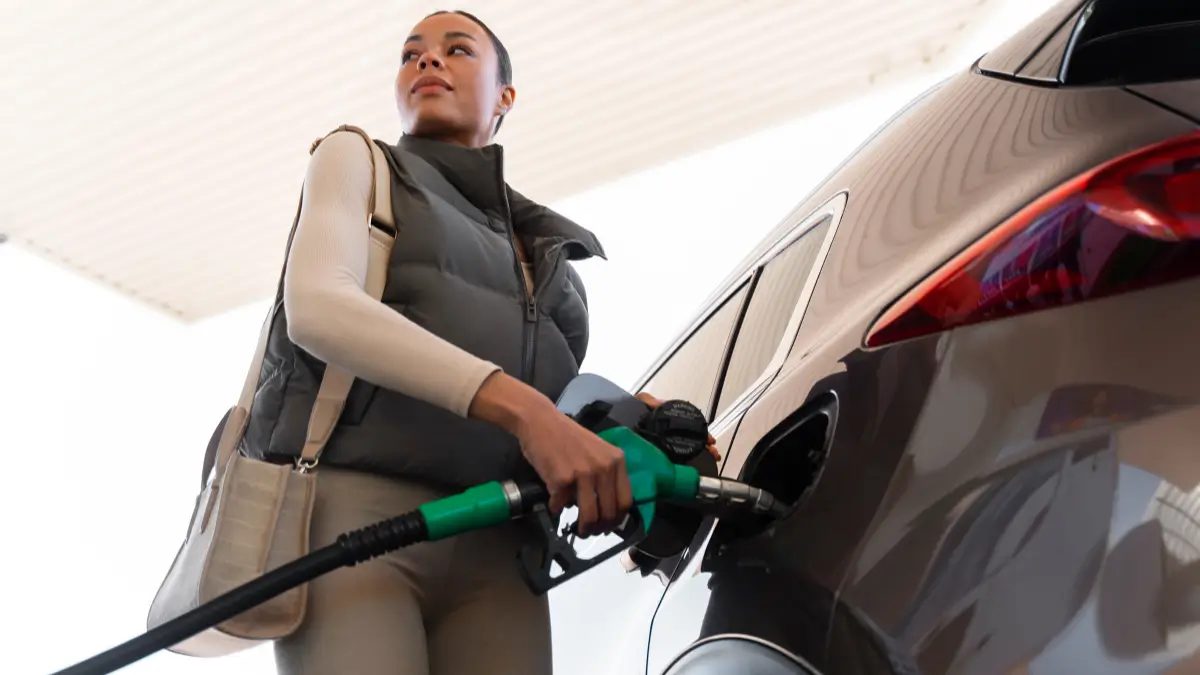
South African motorists are preparing for another expensive month at the pumps in November 2026, despite temporary fuel levy reductions announced by Finance Minister Enoch Godongwana on 21 October. The relief, which takes effect on 4 November, will reduce fuel taxes while the government considers longer-term changes to petrol prices. For Gauteng residents already paying more than R30 per litre for petrol, the developments raise important questions about fuel costs, alternative energy options and household budgets.
November Fuel Price Relief: What Government Has Announced
National Treasury has announced temporary reductions in fuel levies to ease the financial pressure on motorists and businesses.
From 4 November to 1 December 2026, the fuel levy will be reduced by R1.50 per litre for petrol and R3 per litre for diesel.
The reductions will continue at lower levels until 5 January 2027, with petrol receiving R1 per litre in relief and diesel receiving R1.50 per litre.
However, lower levies do not automatically guarantee lower pump prices.
Central Energy Fund data recorded up to 27 October showed average under recoveries of approximately R1.07 per litre for 95 octane petrol and R2.92 per litre for diesel.
These figures indicate continued pressure from the underlying cost of fuel, although the temporary tax reductions could offset some of the increases.
Based on the supplied estimates, inland petrol could cost approximately R29.82 per litre in November. The final adjustment remains subject to the official fuel price announcement.
Why Petrol Prices Remain High in South Africa
Gauteng motorists entered October paying R30.25 per litre for 95 octane petrol following an increase of R3.33 per litre.
The rising cost of fuel reflects several factors, including international petroleum prices, the rand exchange rate and government administered charges.
South Africa’s petrol price includes the Basic Fuel Price, which is influenced by international fuel prices and the rand’s value against the US dollar.
Government levies and regulated margins also contribute to the amount motorists pay.
President Cyril Ramaphosa committed to reviewing administered prices in July 2024, including the fuel pricing formula.
Godongwana has since indicated that government wants to investigate the eventual removal of major fuel levies.
However, eliminating these charges would create significant funding challenges.
Government Considers Removing Fuel Levies Permanently
The two major charges under consideration are the General Fuel Levy and the Road Accident Fund Levy.
According to Godongwana, removing the Road Accident Fund Levy could reduce the petrol price by approximately R2 per litre.
However, this would require changes to the fund’s financing model because it currently relies on revenue collected through fuel sales.
The General Fuel Levy presents another challenge.
Godongwana said the levy generates approximately R80 billion annually for government revenue.
Removing it would require Treasury to identify alternative funding without placing additional pressure on public finances.
Together, the major fuel levies account for approximately R6.54 per litre before temporary relief.
While their removal could significantly reduce petrol costs, government has not announced an implementation date or confirmed a permanent reduction.
Stanlib chief economist Kevin Lings has previously warned that extended fuel levy reductions could cost government close to R6 billion monthly.
This makes the difference between temporary relief and permanent reform particularly important.
LPG Autogas Emerges as a Cheaper Fuel Alternative
As petrol prices remain elevated, the Automotive Remanufacturers’ Association is promoting liquefied petroleum gas, commonly called LPG Autogas, as another option for motorists.
The association presented the technology at Automechanika Johannesburg, held from 27 to 29 October 2026.
LPG conversion systems allow suitable petrol powered vehicles to operate using gas without requiring owners to replace their vehicles.
Drive LP AutoGas lists prices ranging from R14.74 per litre inland to R15.90 at coastal locations.
Isinkwe Energies reports even lower prices, ranging from R11.30 inland to R12.78 at the coast.
However, LPG vehicles may consume more litres than equivalent petrol powered vehicles, meaning motorists should compare the total cost of travelling rather than fuel prices alone.
How Much Could Motorists Save With LPG?
Illustrative calculations using a Suzuki Dzire demonstrate the potential savings.
The vehicle’s claimed petrol consumption is 4.9 litres per 100 kilometres. For the comparison, LPG consumption was assumed to increase by 10%, reaching 5.39 litres per 100 kilometres.
Using petrol at R30.25 per litre and LPG at R15.90 per litre, the estimated savings are:
| Monthly Distance | Estimated Monthly Savings |
|---|---|
| 250 km | R194 |
| 500 km | R387 |
| 1,000 km | R774 |
| 1,250 km | R967 |
| 3,000 km | R2,320 |
These estimates exclude the initial conversion cost.
Isinkwe Energies quotes R33,293, including VAT and installation, for a conversion.
Consequently, motorists covering shorter distances may take considerably longer to recover the installation expense.
The savings also depend on vehicle compatibility, actual consumption, LPG availability and ongoing maintenance.
What This Means for Gauteng Residents
For Gauteng households, fuel prices affect more than the cost of filling a vehicle.
Higher petrol and diesel expenditure can reduce the money available for groceries, education, transport and other household needs.
Businesses that depend on deliveries and road transport also face additional operating costs.
Research by Dr Clive Coetzee, a senior lecturer at Stellenbosch University’s Department of Economics, estimated that South Africa’s additional fuel expenditure between March and October 2026 reached R108.54 billion.
His calculations assumed that fuel consumption remained at February levels and used coastal fuel prices. They are therefore estimates rather than confirmed spending totals.
For Gauteng motorists considering LPG, access to refuelling facilities is another important factor.
Isinkwe Energies reports operating 12 dedicated Autogas stations across Gauteng, KwaZulu Natal and the Western Cape, with an additional Midrand facility being commissioned.
Motorists would still need to establish whether their vehicles are suitable for conversion and whether accessible refuelling stations make the investment practical.
Will Higher Fuel Prices Affect Interest Rates?
Fuel prices also influence South Africa’s inflation outlook, which is considered when the South African Reserve Bank makes interest rate decisions.
Nedbank economists expect the Monetary Policy Committee to increase interest rates by 25 basis points at its November meeting, despite the temporary fuel relief.
The bank expects inflation to peak at 5.7% in October before moving closer to the Reserve Bank’s 3% target during 2027.
Other economists are less convinced that another increase is necessary.
Investec chief economist Annabel Bishop has pointed to market signals suggesting that interest rates could remain unchanged.
Old Mutual Wealth investment strategist Izak Odendaal has also argued that temporary inflation pressures may not justify further increases.
The Reserve Bank’s next Monetary Policy Committee announcement is scheduled for 19 November 2026.
No interest rate decision has yet been confirmed.
Frequently Asked Questions
Will petrol prices decrease in November 2026?
Government has announced temporary fuel levy reductions from 4 November. Based on the supplied late October estimates, inland petrol could cost approximately R29.82 per litre, although the final price remains subject to official confirmation.
How much will the fuel levy reduction be?
Petrol will receive R1.50 per litre in relief and diesel R3 per litre from 4 November until 1 December. Smaller reductions will continue until 5 January 2027.
Is LPG cheaper than petrol in South Africa?
The supplied LPG prices range from R11.30 to R15.90 per litre, considerably below current petrol prices. However, conversion costs and higher fuel consumption must be considered.
Can every petrol vehicle be converted to LPG?
No. LPG conversion is suitable only for compatible vehicles and requires appropriate equipment, qualified installation and maintenance.
Will government permanently remove fuel levies?
Treasury is considering long term reforms, but no confirmed implementation date has been announced. Replacing revenue currently generated by the levies remains a major challenge.
What Motorists Should Watch Next
The immediate priority for motorists is the official November fuel price announcement, which will establish the final petrol and diesel adjustments.
Motorists considering LPG should assess their monthly travel distance, conversion costs, vehicle suitability and access to filling stations before making a decision.
Government’s longer term review of fuel levies could have a more substantial effect on petrol prices, but the proposed reforms remain under consideration.
For now, temporary tax relief offers some protection against rising fuel costs, while households and businesses continue to face uncertainty over future prices.
