




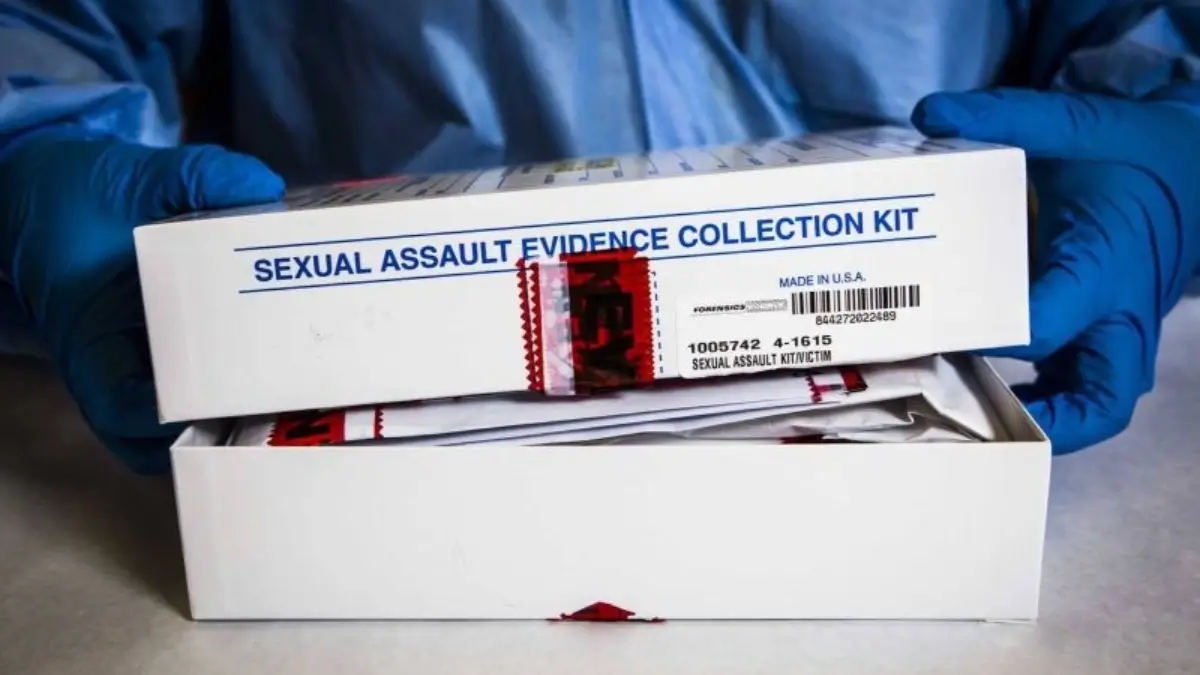
The Gauteng Department of Health has confirmed that rape survivors and sexual assault survivors can access medical treatment at public health facilities without first reporting the incident to the police or opening a criminal case. The department announced on Wednesday, 25 November 2026, as South Africa marked the beginning of the annual 16 Days of Activism for No Violence Against Women and Children campaign. The initiative aims to improve access to medical treatment, forensic examinations and psychosocial support while ensuring that uncertainty about police reporting does not prevent survivors from receiving urgent care.
Gauteng Health spokesperson Steve Mabona said the department is strengthening its response to gender based violence and femicide (GBVF) through specialised healthcare services, community awareness and survivor centred care.
The department is particularly concerned about delays in seeking medical attention, as certain treatments must be administered within specific periods following sexual assault.
ALSO READ: Gauteng Floods: Police Recover Six (6) Bodies Following Severe Thunderstorms
Rape Survivors Can Go Directly to Health Facilities
Survivors of rape and sexual assault in Gauteng do not need to obtain a police case number before receiving medical assistance.
According to Mabona, the province operates 27 designated Clinical Forensic Medical Services (CFMS) facilities and Thuthuzela Care Centres (TCCs), where survivors can receive specialised medical attention.
These facilities provide services that include:
- Clinical assessments following sexual assault.
- Forensic medical examinations.
- Treatment of physical injuries.
- Support with medico-legal processes.
- Psychosocial support.
Survivors who cannot immediately reach a specialised facility can visit their nearest public clinic.
Healthcare professionals can initiate medical care, conduct assessments and arrange referrals to appropriate facilities where further treatment or specialised examinations are required.
The department has emphasised that uncertainty about whether to report an incident to the police should not delay access to healthcare.
Why Medical Treatment Within 72 Hours Is Important
Gauteng Health has urged survivors to seek medical assistance as soon as possible following rape or sexual assault because some medical interventions are dependent on timing.
One of these interventions is HIV post exposure prophylaxis (PEP), which must be initiated within 72 hours of potential exposure to HIV.
Other available interventions include emergency contraception, treatment of injuries and forensic evidence collection where necessary.
Early medical assessment allows healthcare professionals to determine which treatments and services are appropriate for each survivor.
However, survivors who present at a health facility after 72 hours should still seek medical assistance. The department’s message is that survivors should not delay or avoid accessing care because of uncertainty surrounding the reporting process or the circumstances of the assault.
Gauteng Records More Than 10 000 Sexual Offences
Figures released by the Gauteng Department of Health for the 2025/2026 financial year highlight the continued demand for specialised services addressing sexual violence, domestic abuse and related offences.
The department reported the following figures:
| Category | Number of Cases |
|---|---|
| Sexual offences | 10 742 |
| Domestic violence | 5 808 |
| Intimate partner violence | 4 339 |
| Trafficking | 71 |
According to Mabona, these figures demonstrate the importance of strengthening prevention programmes, identifying abuse earlier and improving access to appropriate healthcare services.
The department’s response includes forensic medical services, psychosocial support and community awareness initiatives aimed at encouraging earlier intervention.
Concerns Over Delayed Reporting of Child Sexual Abuse in Tshwane
Gauteng Health has identified Dark City and surrounding communities in Tshwane as areas of concern following an increase in forensic cases, particularly those involving child abuse and intimate partner violence.
The department has raised concerns about children arriving at healthcare facilities more than 72 hours after alleged sexual abuse.
Reports of sexual offences involving children harming other children have also highlighted the need for stronger child protection measures and greater community awareness.
Parents, caregivers and educators are being encouraged to support environments in which children feel safe disclosing abuse.
The department has stressed the importance of early identification, timely reporting and access to medical services when child abuse is suspected.
16 Days of Activism 2026 Calls for Collective Action
The 2026 campaign is being observed under the theme “LETSEMA: Men, Women, Boys and Girls Working Together to End Gender-Based Violence and Femicide”.
The theme encourages collective responsibility in addressing violence against women and children, with particular emphasis on the role of men and boys in challenging harmful attitudes and social norms.
Gauteng Health has called for behavioural change that promotes respect, equality, dignity and accountability.
On Tuesday, 24 November 2026, the department held its Men’s Health Forum Awards to recognise male employees who demonstrate leadership in health promotion, support their colleagues and contribute towards preventing GBVF.
Through such initiatives, the department hopes to encourage men to become positive role models within their families, workplaces and communities.
This includes rejecting violence, supporting survivors and raising boys who understand the importance of respecting women and girls.
What This Means for Gauteng Residents
For Gauteng residents affected by rape or sexual assault, the department’s announcement clarifies that access to medical treatment is not conditional on opening a criminal case.
Survivors can approach their nearest public clinic, a designated Clinical Forensic Medical Services facility or a Thuthuzela Care Centre for assistance.
This information is also important for relatives, friends, caregivers and community members supporting survivors who may be uncertain about approaching law enforcement.
Knowing where to seek medical assistance can help reduce delays in accessing treatments that must be administered within specific periods.
Parents and caregivers are also encouraged to seek professional assistance when they suspect a child has experienced abuse.
The department has called on communities to support survivors without judgement and help create environments where individuals feel safe disclosing violence and seeking assistance.
Frequently Asked Questions
Can I Receive Medical Treatment After Rape Without Opening a Police Case?
Yes. Gauteng Health has confirmed that survivors of rape and sexual assault can receive medical assistance without first visiting a police station or opening a criminal case.
Where Can Rape Survivors Get Medical Help in Gauteng?
Survivors can visit their nearest public clinic, a designated Clinical Forensic Medical Services facility or a Thuthuzela Care Centre.
How Soon Should I Seek Medical Attention After Sexual Assault?
Medical assistance should be sought as soon as possible. HIV post exposure prophylaxis must be initiated within 72 hours of potential exposure.
Can I Still Seek Medical Assistance After 72 Hours?
Yes. Survivors should still approach a healthcare facility for assessment and appropriate care, even if more than 72 hours have passed.
What Medical Services Are Available to Sexual Assault Survivors?
Available services include clinical assessments, forensic examinations, HIV post exposure prophylaxis, emergency contraception, injury treatment and psychosocial support, depending on individual circumstances.
Where to Seek Help for Rape, Sexual Assault and Domestic Violence
Gauteng residents who experience sexual assault or domestic violence, or suspect that a child is being abused, are encouraged to seek assistance at a healthcare facility.
Survivors can approach their nearest public clinic for an initial assessment and referral to specialised services where necessary.
Gauteng Health has also called on parents, educators, traditional leaders, religious organisations and civil society groups to contribute towards creating safer communities and supporting survivors.
While the 16 Days of Activism campaign provides an opportunity to increase public awareness, the department maintains that preventing and responding to gender based violence and femicide requires sustained action throughout the year.
