




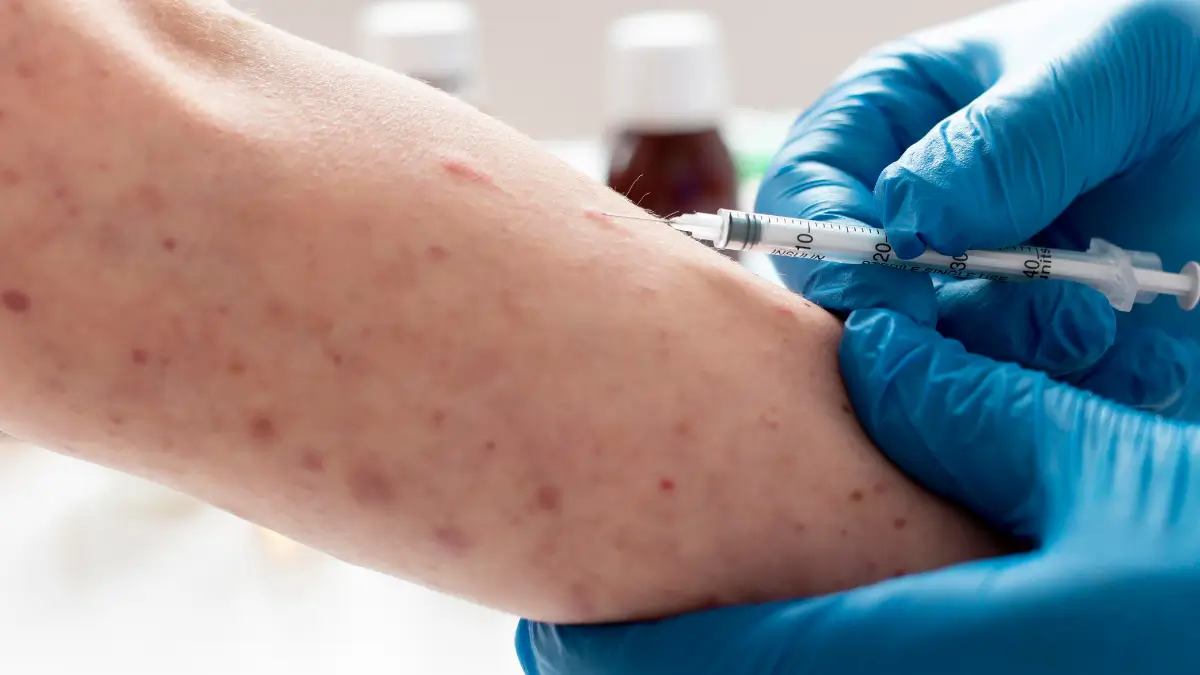
South Africa has recorded 18 confirmed mpox cases and one probable case as of Thursday, 17 September 2026, prompting the Department of Health to urge residents to watch for symptoms and seek medical care. Fifteen cases have been reported in the Western Cape, three in Gauteng and one in KwaZulu Natal, with most infections concentrated in Cape Town. The department issued its warning on Friday, 18 September, after 13 of the 19 cases were recorded within five weeks, raising concern about recent local transmission.
Health Department spokesperson Foster Mohale said the increase in laboratory-confirmed infections required continued vigilance.
The department is monitoring the outbreak and working to limit transmission through early detection, appropriate medical care and public awareness.
ALSO READ: Gauteng e Panic Button: How to Use the App and Where to Buy Personal Safety Kits
Mpox Cases Increase Across South Africa
According to the Department of Health, the country has recorded 18 laboratory confirmed cases and one probable case.
The provincial breakdown is:
- Western Cape: 15 cases.
- Gauteng: Three cases.
- KwaZulu Natal: One case.
The figures include both confirmed and probable infections and reflect the situation reported as of 17 September 2026.
Mohale said 13 cases were recorded between 13 August and 17 September, indicating an increase in infections during that period.
The Western Cape accounts for most of the reported cases, particularly in Cape Town.
However, the detection of three cases in Gauteng means residents should also be aware of the symptoms and how the virus spreads.
Who Has Been Affected by the Latest Cases?
The Department of Health reported that patients ranged in age from 23 to 50 years.
The median age was 36.5 years, while 18 of the 19 reported cases involved men.
These figures describe the patients identified during the current reporting period. They do not mean that mpox affects only men or people within this age group.
Mohale emphasised that anyone can contract the infection, regardless of gender, sexual orientation, race or socioeconomic status.
The department also reported that one recent patient had travelled to Spain and returned to South Africa on 14 September after testing there.
South African health authorities are working with their Spanish counterparts to confirm the patient’s status.
The department has not established that this travel related case accounts for the other infections reported in South Africa.
What Is Mpox and What Are the Symptoms?
Mpox is a viral disease caused by the monkeypox virus.
It can cause a painful skin rash and other symptoms that may resemble those associated with common viral illnesses.
According to the Department of Health, symptoms typically appear six to 13 days after exposure, although the time between infection and symptoms can vary.
Common symptoms include:
- Fever.
- Fatigue.
- Skin lesions or a rash.
- Red spots that develop into fluid filled blisters.
- Lesions that eventually form crusts and scabs.
Other recognised symptoms can include headaches, muscle aches and swollen lymph nodes.
The rash may appear on different parts of the body, including the face, hands, feet, mouth and genital area.
Not every patient experiences symptoms in the same order. Some people develop a rash before other symptoms or have only a small number of lesions.
A rash alone does not confirm mpox because several other conditions can cause similar skin changes.
Medical assessment and appropriate testing are needed to establish a diagnosis.
How Does Mpox Spread?
Mpox spreads mainly through close contact with an infected person.
The virus can be transmitted through direct contact with infected skin lesions, bodily fluids and contaminated materials.
The Department of Health identified several possible routes of transmission, including:
- Close physical contact with an infected person.
- Contact with contaminated bedding or clothing.
- Prolonged close contact involving respiratory exposure.
People who have symptoms should avoid close physical contact until they have received medical advice.
Clothing, towels and bedding used by someone with mpox should not be shared.
Regular handwashing with soap and water or the use of hand sanitiser can also help reduce the risk of transmission.
Mpox is not restricted to any particular community. Anyone exposed to the virus through relevant contact can become infected.
What Should You Do if You Suspect Mpox?
Residents who develop a new or unexplained rash, particularly after close contact with someone who may have mpox, should seek medical attention.
They should inform the healthcare provider about their symptoms and any possible exposure before or upon arrival.
While awaiting medical advice, a person with suspected mpox should avoid close physical contact with others and refrain from sharing towels, clothing and bedding.
Where possible, lesions should be covered, and hands should be washed regularly.
Healthcare professionals can assess symptoms, arrange testing where appropriate and determine whether treatment or additional monitoring is required.
People should not attempt to diagnose mpox solely from photographs or social media descriptions.
Early medical assessment also helps health authorities identify infections and provide advice to people who may have been exposed.
What Treatment Is Available for Mpox?
Treatment depends on the severity of the infection and the patient’s individual circumstances.
Many patients recover with supportive medical care, including treatment for pain, fever and other symptoms.
Some patients may require additional care because of severe symptoms or underlying health conditions.
The Department of Health reported that South Africa had secured limited supplies of tecovirimat with support from the World Health Organisation.
Tecovirimat is an antiviral medicine, not a vaccine. Its use for mpox depends on applicable clinical guidance and access arrangements.
The department’s announcement does not establish that the medicine is available to every patient or at every healthcare facility.
People with suspected or confirmed mpox should consult healthcare professionals about the treatment appropriate for their circumstances.
Why the Health Department Is Warning Against Stigma
The Department of Health has urged the public not to stigmatise people who contract mpox.
Mohale said discrimination can discourage people from seeking medical attention, making it more difficult for health authorities to identify infections and respond to an outbreak.
The department stressed that mpox can affect anyone.
Public health advice should therefore focus on recognising symptoms, understanding transmission and accessing medical care rather than making assumptions about individuals.
People who suspect they have been exposed should be able to seek assistance without fear of discrimination.
What This Means for Gauteng Residents
Gauteng has recorded three cases in the latest national update.
Although most reported infections are in the Western Cape, residents should remain aware of symptoms and seek medical advice if they develop an unexplained rash or believe they have been exposed.
The reported figures do not establish widespread transmission throughout Gauteng or identify specific affected neighbourhoods.
Residents should rely on official health updates rather than unverified claims about where infections have occurred.
Anyone experiencing symptoms should avoid close contact, maintain hand hygiene and contact a healthcare provider for guidance.
Frequently Asked Questions
How many mpox cases has South Africa recorded?
As of 17 September 2026, South Africa had recorded 18 confirmed cases and one probable case, according to the Department of Health.
How many mpox cases are in Gauteng?
Three cases were reported in Gauteng in the latest national update.
What are the first signs of mpox?
Symptoms may include fever, fatigue and a rash that can develop into fluid filled blisters and later form scabs. Symptoms vary between patients.
Can mpox spread through clothing and bedding?
Yes. Contact with materials contaminated by an infected person’s lesions or bodily fluids can transmit the virus.
Is tecovirimat an mpox vaccine?
No. Tecovirimat is an antiviral medicine. The Department of Health reported securing limited supplies with support from the World Health Organisation.
Health Authorities Continue to Monitor Mpox Infections
The Department of Health is monitoring the increase in mpox cases after recording 19 confirmed and probable infections nationally, including three in Gauteng.
Its latest warning focuses on recognising symptoms, limiting close contact when infection is suspected and seeking medical attention.
Residents should follow official health guidance and avoid sharing unverified information about infected individuals or affected communities.
Early detection and appropriate care remain central to the public health response as authorities continue to monitor the outbreak.
