




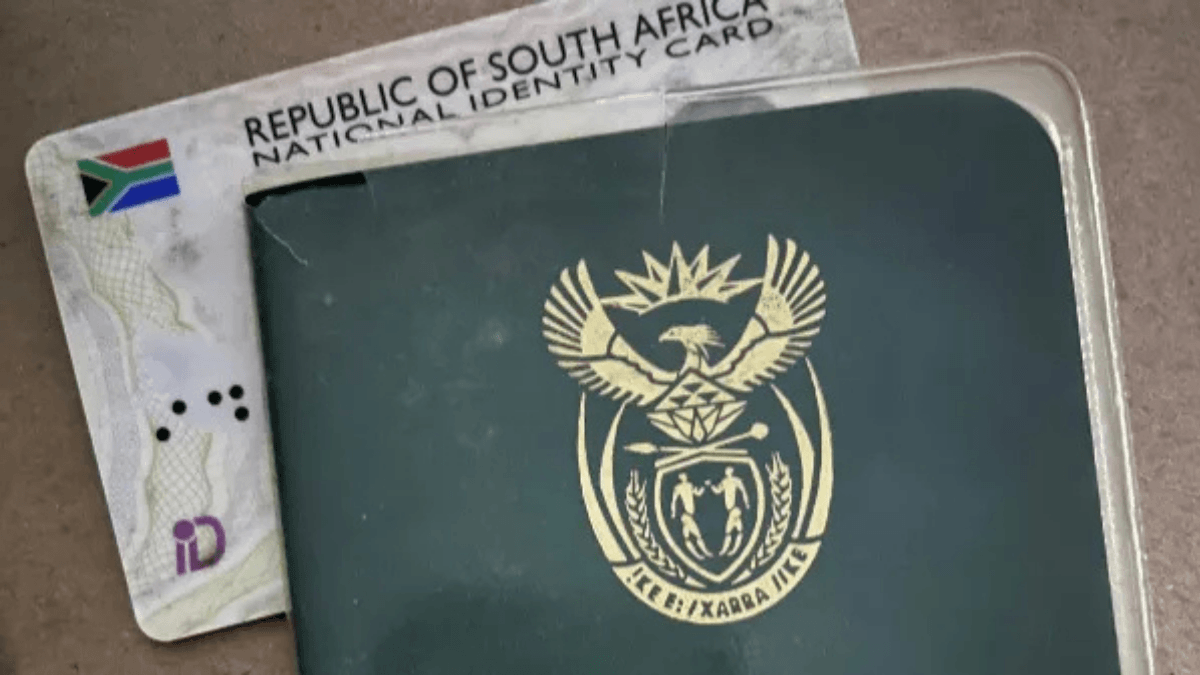
The end of the green ID book now has a firm date. Home Affairs Minister Leon Schreiber has announced that the green barcoded ID book will no longer be accepted as a valid identity document from 31 March 2028. Production of the books stops a year earlier, on 31 March 2027.
That gives about 14,7 million South Africans who still rely only on a green ID book roughly 17 months to switch to a smart ID card. As of today, 26 October 2026, there are 522 days left until the green ID book becomes invalid.
Key Dates For Green ID Book Holders
| Date | What happens |
|---|---|
| Now | Green ID books are still valid. You can apply for a smart ID card now. |
| 31 March 2027 | Home Affairs stops producing green ID books, and the machines are permanently shut down. |
| 31 March 2028 | Green ID books are no longer accepted as valid identification. |
Before production stops in March 2027, Home Affairs also plans to let naturalised citizens, permanent residents and South Africans living abroad get smart IDs. These groups have had limited access until now.
Why Is The Green ID Book Being Phased Out?
The green ID book has been in use for decades, but Home Affairs says it’s no longer safe or fit for purpose.
- Fraud risk: because it’s paper-based and the photo is stuck in by hand, the book is easy to tamper with. Schreiber called it one of the most fraud-prone identity documents in Africa. “The green ID book sits at the core of the scourge of identity theft in the country,” he said.
- Illegal immigration: he described it as a “critical pull factor” for people seeking fraudulent papers.
- A modern system: “The continued use of the green ID book is irreconcilable with the functioning of a modern society,” Schreiber said.
Home Affairs is also working on a digital ID, which would let South Africans access their documents on their phones.
ALSO READ: Smart ID And Passport 2026: Costs, Bank Branches And Bookings
What Happens If You Don’t Switch?
From 31 March 2028, your green ID book won’t be recognised as valid ID. You could struggle to:
- open or manage a bank account
- get a loan, account or contract
- deal with government services, such as SASSA, licensing and Home Affairs
- travel, register for services or prove your identity in everyday transactions.
Home Affairs Deputy Director-General Tulani Mavuso said the smart ID will be “the only legal document that you can use in terms of transactions, particularly with financial institutions and others.”
How Much Does A Smart ID Cost?
- Replacing a green ID book with a smart ID: R140
- People aged 60 and older: free
- First-time ID applicants: free
Some banks add a small convenience fee. For example, Capitec charges R150 in total, which includes a R10 service fee.
How To Get Your Smart ID
You can apply at a modernised Home Affairs office or at a participating bank branch.
Option 1: Apply At A Bank Branch
Getting a smart ID at a bank is often the quickest option. Home Affairs says 515 bank branches now offer smart ID replacements, and some don’t need an appointment. More than 822 000 people have used the service since it launched in March 2026. Home Affairs expects more than 1 000 service points by the end of 2026.
Participating banks include Capitec, Standard Bank, FNB and Absa, with more banks being added. Some branches only serve their own clients, so check before you go.
Step by step:
- Apply and pay online on eHomeAffairs (ehome.dha.gov.za), then book a slot at a participating bank branch. Some branches, such as Capitec, also accept walk-ins.
- Visit the branch with your green ID book and any requested documents.
- Have your fingerprints and photo taken. This usually takes 5 to 15 minutes.
- Wait for an SMS telling you your card is ready.
- Collect your card at the same branch.
Option 2: Apply At A Home Affairs Office
- Book an appointment through the Branch Appointment Booking System on eHomeAffairs, or visit a modernised Home Affairs office that issues smart ID cards.
- Bring your green ID book (or an affidavit if it’s lost) and any other documents you’re asked for.
- Pay R140 if you aren’t exempt.
- Have your biometrics captured.
- Collect your card when you receive an SMS.
Tip: don’t wait until 2028. As the deadline gets closer, queues and appointment slots are likely to fill up fast.
What You’ll Need
- Your green ID book, or an affidavit if it has been lost or stolen
- Proof of address, if requested
- The R140 fee, unless you’re exempt
- Your cellphone, so you can receive SMS updates
Frequently Asked Questions
When Will The Green ID Book Expire?
The green ID book will stop being a valid identity document on 31 March 2028.
When Will Home Affairs Stop Issuing Green ID Books?
Production of green ID books will stop on 31 March 2027.
How Much Does It Cost To Replace A Green ID Book With A Smart ID?
It costs R140. It’s free for people aged 60 and older and for first-time applicants. Some banks add a small service fee.
Can I Get A Smart ID At The Bank?
Yes. Hundreds of bank branches, including Capitec, Standard Bank, FNB and Absa, offer smart ID replacements. Some accept walk-ins, while others need an appointment booked on eHomeAffairs.
How Long Does It Take To Get A Smart ID?
Processing times vary. Some banks say it can take up to four weeks, and you’ll get an SMS when your card is ready to collect.
Is My Green ID Book Still Valid Now?
Yes. Your green ID book remains valid until 31 March 2028, but it’s a good idea to switch to a smart ID card as soon as possible.
