




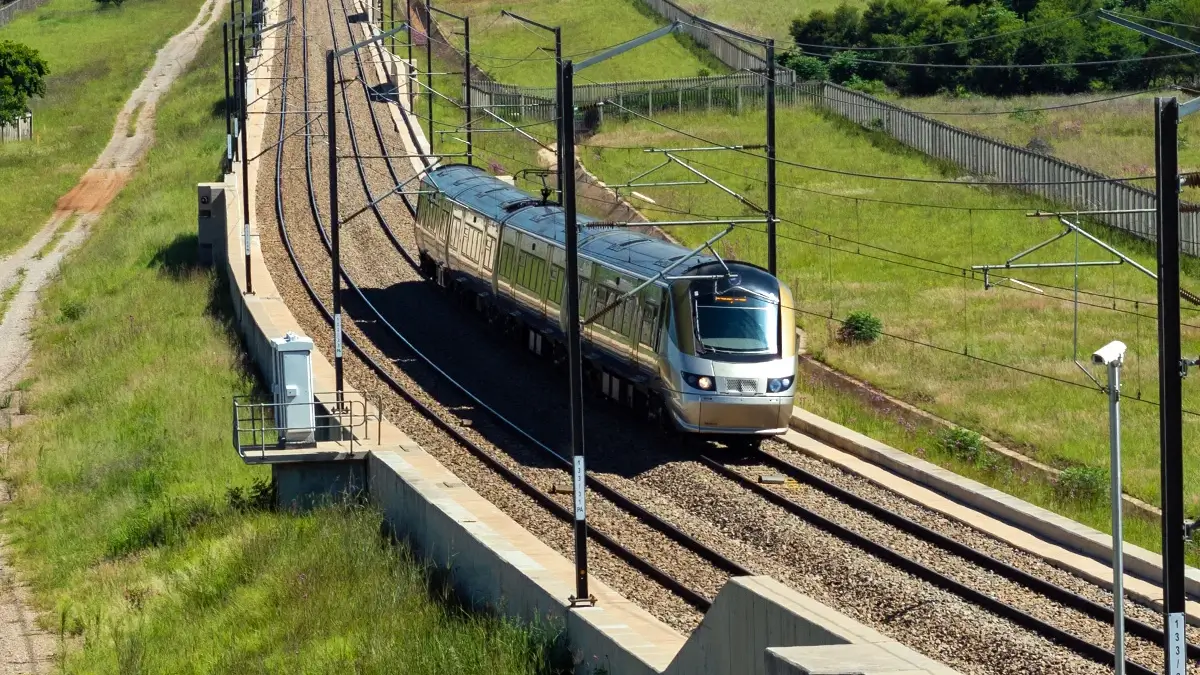
Gauteng is preparing for a major expansion of the Gautrain rapid rail network, with plans to extend services to more communities across Johannesburg, Tshwane, Ekurhuleni and the West Rand. The provincial government confirmed in February 2026 that the expansion process would resume this year, identifying Soweto, Mamelodi, Springs, Atteridgeville, Fourways and parts of the West Rand, with Sedibeng also forming part of the wider vision.
The project is intended to significantly broaden Gauteng’s rapid rail footprint and improve connections between residential areas, economic centres and existing public transport networks. The expansion will be developed in phases because of the scale and complexity of extending the system across the province.
ALSO READ: 702 Walk the Talk 2026 Gauteng Guide: Where to Stay, Eat and Explore in Johannesburg
Gautrain Expansion Set to Reach More Parts of the Province
The existing Gautrain network currently stretches approximately 80 kilometres and operates through 10 stations, connecting Johannesburg, Tshwane and OR Tambo International Airport.
The system includes stations at Park, Rosebank, Sandton, Marlboro, Midrand, Centurion, Pretoria, Hatfield, Rhodesfield and OR Tambo International Airport.
Since Gautrain began operating in June 2010, more than 216 million passenger trips have been recorded. The rail network is also supported by bus and midibus services that connect passengers with areas beyond walking distance of stations.
The planned expansion represents a significant increase in the geographic reach of the system. Gauteng Premier Panyaza Lesufi said during the 2026 State of the Province Address that the province would resume the process of expanding Gautrain into several currently unserved areas.
Soweto, Fourways and Mamelodi Included in Wider Plans
Long term Gautrain planning identifies several proposed corridors that would connect communities currently outside the rapid rail network.
The Gautrain Management Agency’s feasibility work identified a proposed connection between Marlboro and Soweto, with an additional Sandton station and new stations planned along the wider corridor at:
- Randburg
- Cosmo City
- Little Falls
- Roodepoort
- Jabulani
A further proposed connection would extend from Jabulani towards Mamelodi through Cosmo City.
Stations identified along that broader corridor include Fourways, Sunninghill, Olievenhoutsbosch, Irene, Tshwane East, Hazeldean and Mamelodi.
These routes remain part of a wider phased expansion programme, meaning they will not all be constructed or opened simultaneously.
West Rand Could Gain New Rapid Rail Connections
The West Rand forms an important part of the proposed expansion.
Little Falls, Roodepoort and Jabulani feature in the planned western corridor, creating the possibility of a future rapid rail connection between the existing Gautrain network and communities west and southwest of central Johannesburg.
Planning for the wider extensions has already progressed in some areas.
Phase 1 covers the proposed extension from the existing Marlboro Station to Little Falls. The final route for this phase was determined following preliminary route planning, environmental screening and public participation.
The Gautrain Management Agency confirmed that the route determination for Phase 1 began in October 2018, with the route formally determined in May 2022.
This first corridor is significant because Little Falls is expected to form part of the broader network that could eventually extend further towards Roodepoort and Jabulani.
New Routes Are Also Planned Towards Ekurhuleni and Lanseria
The expansion vision extends beyond Johannesburg and Tshwane.
The feasibility study identified a proposed connection between Rhodesfield and Boksburg, with new stations at East Rand Mall and Boksburg.
This would extend rapid rail access further into Ekurhuleni, where the existing Gautrain currently serves Rhodesfield and OR Tambo International Airport.
Another proposed corridor would connect Cosmo City with the Lanseria area.
The published extension plans identify stations around Cradle and Lanseria along this route, creating the possibility of a future rapid rail connection serving the growing development corridor northwest of Johannesburg.
The provincial government has also identified Springs among the areas targeted as the broader expansion process resumes.
Gautrain Expansion Will Be Developed in Phases
The full expansion is too large to be implemented as a single construction project.
The Gautrain Management Agency previously divided the proposed Gauteng Rapid Rail Integrated Network extensions into five phases because of the scale and complexity involved.
Each corridor must move through the necessary planning and development processes before construction can proceed.
This means residents should distinguish between areas identified as part of the long term Gautrain network and routes that have reached more advanced stages of development.
Phase 1 between Marlboro and Little Falls has progressed through formal route determination, while other sections of the wider network remain at different stages of planning.
The Gauteng Provincial Government said in February that it was also finalising arrangements around the Gautrain concession for the next 15 years as the province prepares for the system’s next operational and development phase.
Expansion Could Create a More Connected Gauteng Rail Network
The proposed routes could change the shape of Gauteng’s rapid public transport network.
The existing Gautrain largely follows a north south corridor between Johannesburg and Tshwane, together with the airport connection through Rhodesfield.
The wider expansion would extend rapid rail west towards Randburg, Cosmo City, Little Falls and Roodepoort, southwest towards Soweto, north towards Fourways and Lanseria, east towards Boksburg and further into Tshwane towards Mamelodi.
This would give the network a much broader provincial footprint.
The Gautrain expansion also forms part of wider transport planning in Gauteng. The provincial government’s Integrated Transport Master Plan focuses on stronger integration between rail, buses, taxis and other forms of transport.
For commuters, the effectiveness of the expanded network will therefore depend not only on where new stations are built, but also on how passengers can connect to those stations from surrounding communities.
Why Gauteng Is Expanding Its Rapid Rail Network
Gauteng is South Africa’s most populous province and its major urban centres are closely connected by daily movement between homes, workplaces, schools, airports and commercial districts.
Transport planning has therefore increasingly focused on creating alternatives to private vehicle travel and connecting different public transport systems.
Earlier feasibility work on the Gautrain extensions examined projected transport demand and warned that continued growth in private vehicle use could place increasing pressure on Gauteng’s road network.
The expansion is intended to provide additional public transport capacity while connecting more communities to major economic nodes.
New stations could also improve access between areas that currently require lengthy road journeys to reach the existing Gautrain network.
What This Means for Gauteng Residents
For Gauteng residents, the expansion could eventually make rapid rail accessible from significantly more parts of the province.
Residents around Soweto, Fourways, Roodepoort, Cosmo City, Mamelodi and other proposed corridors currently need to use other forms of transport to reach the nearest Gautrain station.
New stations could shorten those connections and provide additional options for travelling between residential areas and major employment centres.
The expansion could also improve links between Johannesburg, Tshwane, Ekurhuleni and the West Rand while creating connections to important transport hubs such as OR Tambo International Airport and, under the longer term plans, the Lanseria area.
However, the project will unfold over several phases. Residents should therefore follow confirmed route and construction announcements for individual sections rather than expecting the entire proposed network to open at the same time.
Frequently Asked Questions
Where Is the Gautrain Expanding To?
The Gauteng Provincial Government has identified Soweto, Mamelodi, Springs, Atteridgeville, Fourways and parts of the West Rand as areas included in its renewed expansion plans. Longer term Gautrain planning also identifies routes involving Randburg, Cosmo City, Little Falls, Roodepoort, Jabulani, Boksburg and Lanseria.
What Is the First Gautrain Expansion Route?
Phase 1 covers the proposed extension from the existing Marlboro Station towards Little Falls. The final route for this phase has already gone through the formal route determination process.
Will Gautrain Expand to Soweto?
Yes. Soweto forms part of the planned wider Gautrain expansion. Published network plans identify a route towards Jabulani, with connections through Little Falls and Roodepoort forming part of the broader proposed corridor.
Is Fourways Getting a Gautrain Station?
Fourways is included in the proposed wider network. Gautrain planning identifies Fourways on a corridor connecting Cosmo City towards the Tshwane side of the expanded network, together with areas including Sunninghill and Olievenhoutsbosch.
When Will the New Gautrain Routes Open?
There is no single confirmed opening date for the entire expanded network. The project is divided into phases, and individual routes are at different stages of planning and development. Residents should rely on confirmed timelines for each phase as they are formally announced.
What Happens Next With the Gautrain Expansion
The next chapter of the Gautrain will focus on extending a system that currently serves 10 stations into a much wider provincial rapid rail network.
Plans covering Soweto, Fourways, Mamelodi, Springs, Atteridgeville, the West Rand and other corridors could eventually bring Gautrain services closer to communities that currently rely on road based transport to reach the existing network.
The expansion will take place progressively rather than all at once. As individual phases advance, confirmed routes, station locations, procurement processes and construction timelines will provide a clearer picture of when commuters can expect new services.
For Gauteng, the significance of the project lies in its potential to create a more connected public transport network across the province, linking more residential communities with economic centres and existing transport infrastructure as the region continues to grow.
