




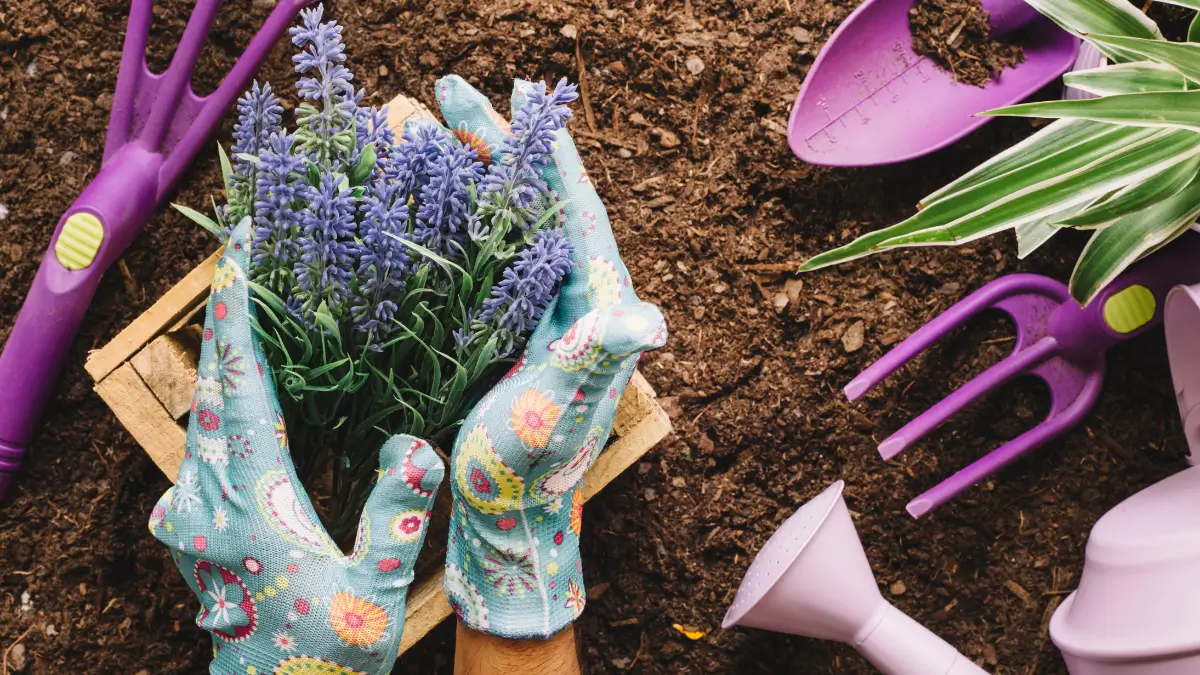
Gauteng residents can make the most of the 2026 summer season by growing flowers, vegetables and indoor plants suited to the province’s warm weather and seasonal rainfall. From Johannesburg and Pretoria to smaller urban neighbourhoods, gardens, balconies and indoor spaces can accommodate plants that bring colour, provide fresh produce and support local biodiversity. Choosing suitable plants and understanding how to care for them can help beginners create greener spaces without needing a large garden or extensive gardening experience.
Summer gardening is not only about appearance. Flowering plants can provide food for pollinators, vegetable gardens offer opportunities to grow fresh ingredients, and indoor greenery can make living spaces more inviting.
The key is knowing what to plant, where to place it and how to manage Gauteng’s combination of sunshine, heavy rainfall and occasional summer storms.
Best Outdoor Flowers to Grow in Gauteng During Summer
Gauteng’s summer conditions suit several flowering plants, particularly species that tolerate sunshine and periods of heat.
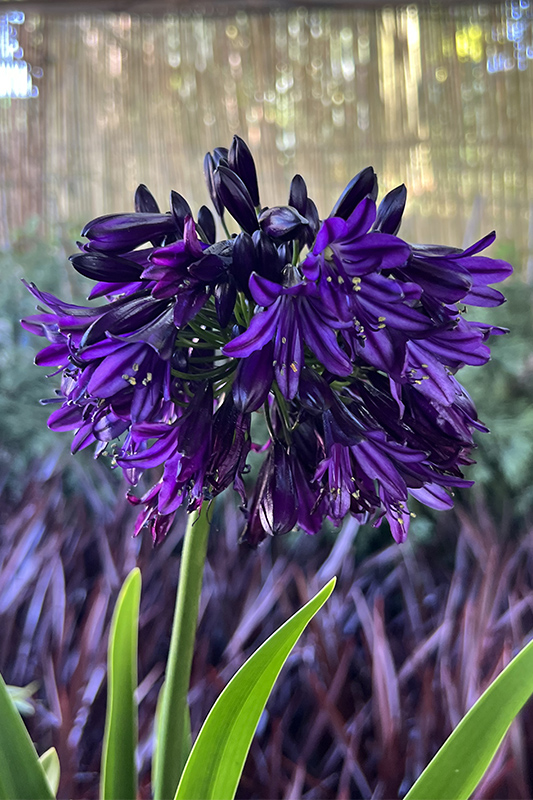
Agapanthus: Also known as African lily, agapanthus produces blue, purple or white flower clusters on tall stems. It is a popular option for garden borders and larger outdoor containers.
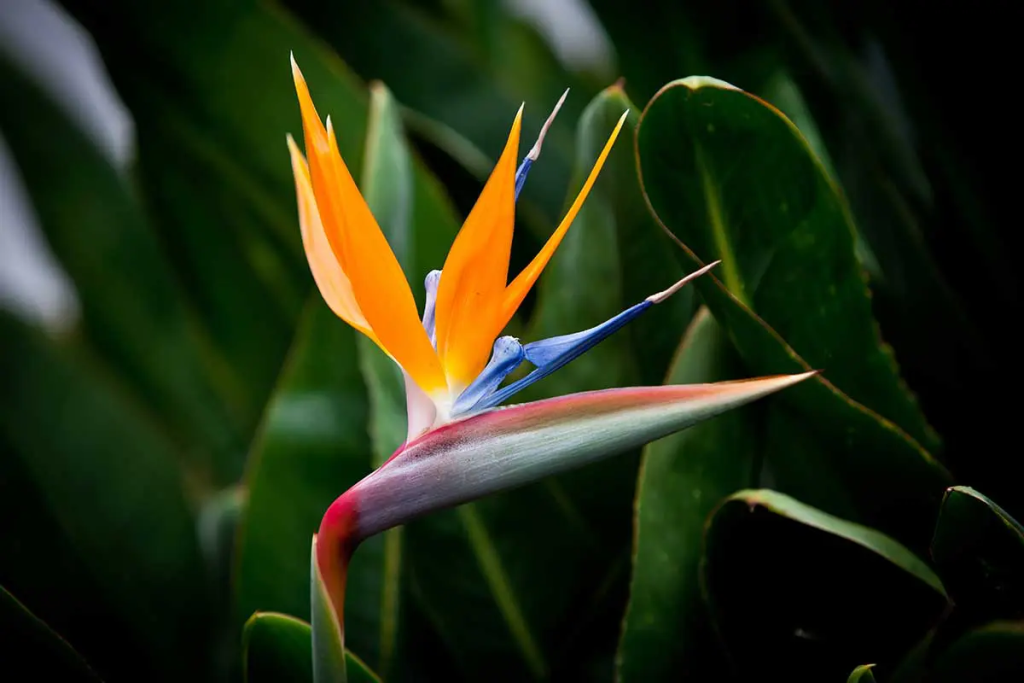
Strelitzia: Commonly called bird of paradise, this indigenous plant is recognised for its orange and blue flowers. It suits sunny outdoor spaces with sufficient room for growth.
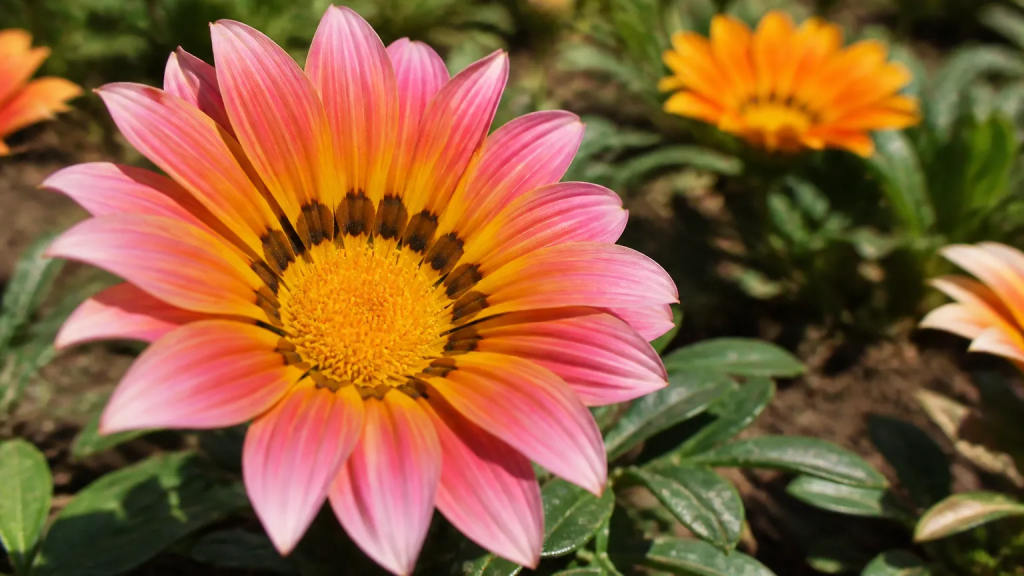
Gazania and Osteospermum: These South African daisies are useful for sunny garden beds and containers. Their colourful flowers make them attractive choices for smaller outdoor spaces.
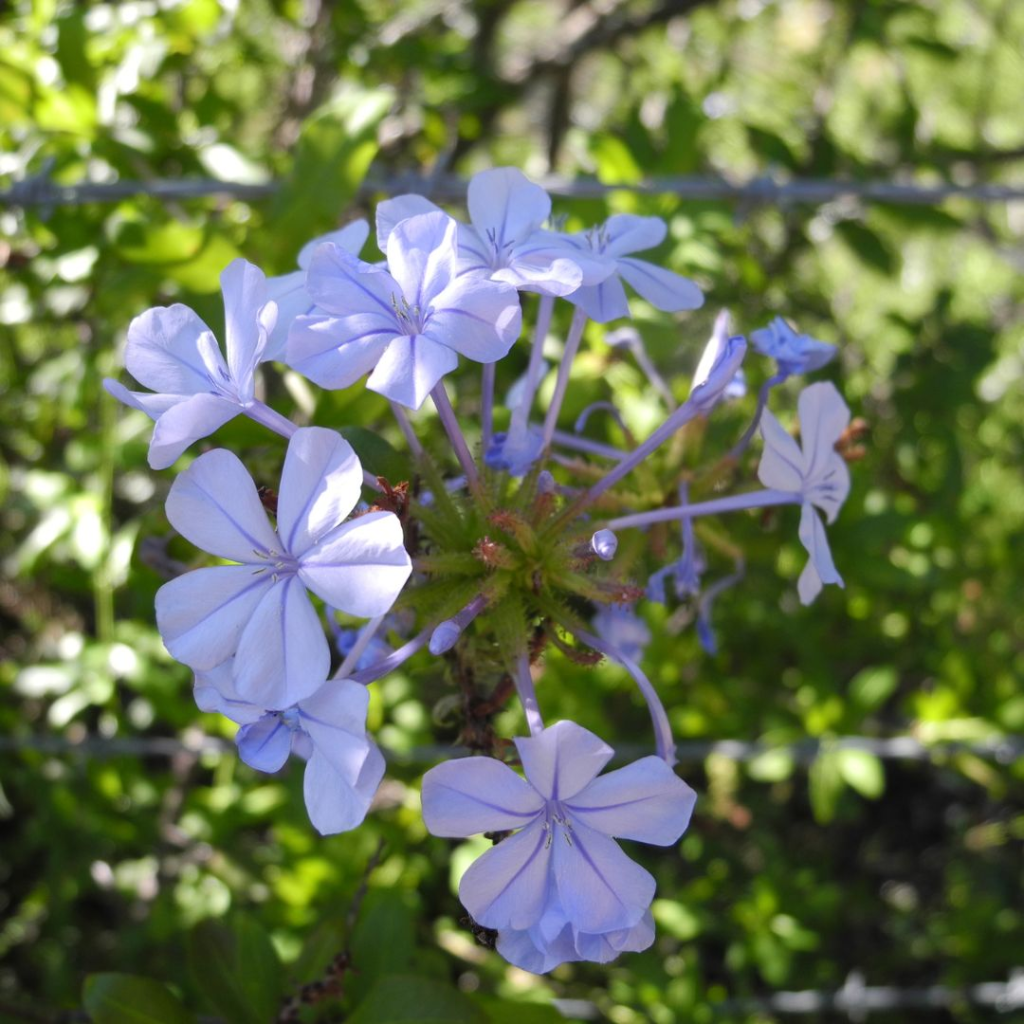
Plumbago: This indigenous shrub produces clusters of blue flowers and can be used along garden boundaries or as part of a flowering hedge.
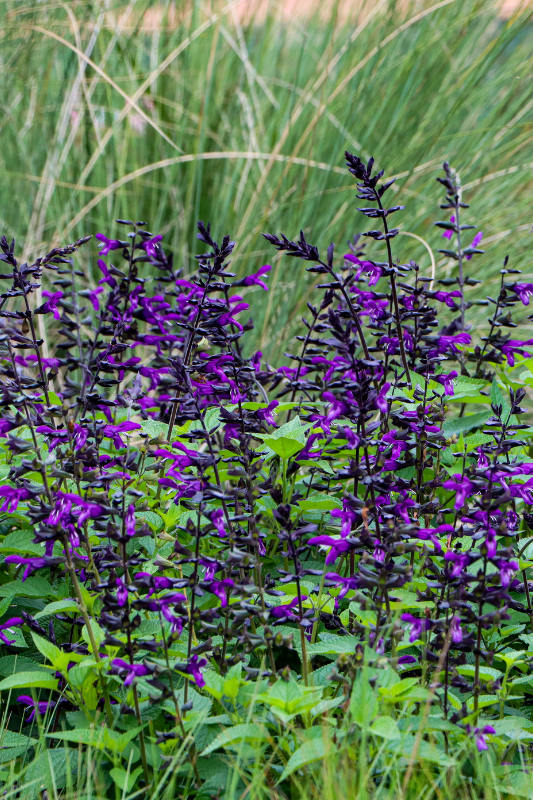
Salvias: Available in different varieties, salvias produce colourful flowers that attract pollinators. Cutting back spent flowers can encourage further growth.
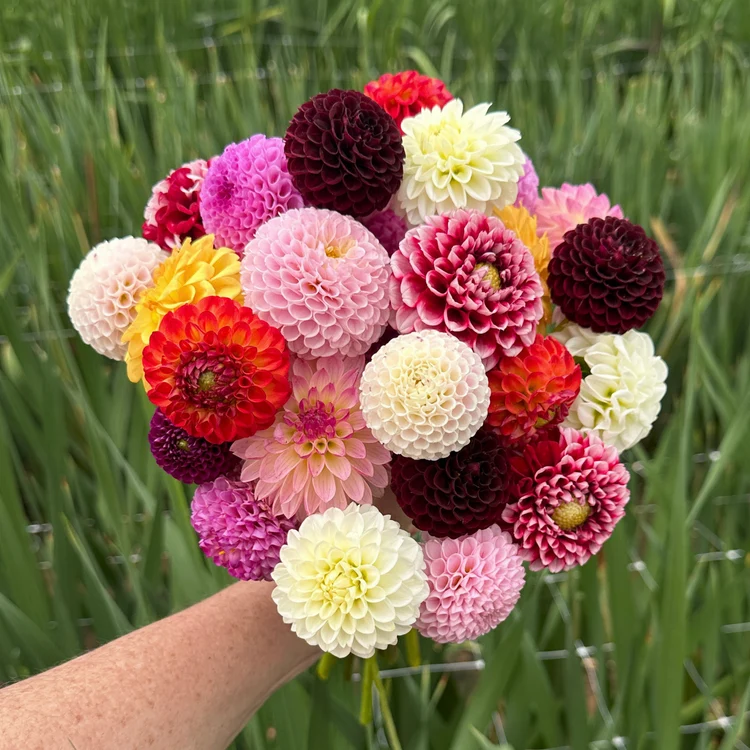
Dahlias: These flowering plants can be grown from tubers after the risk of frost has passed. They provide summer colour but require suitable watering and care.
Choosing a mixture of flowering plants can also help create a more varied garden environment for insects and other wildlife.
Vegetables and Herbs You Can Grow at Home
A summer vegetable garden does not necessarily require a large backyard. Some crops can be grown in containers, provided they receive enough sunlight, water and space.
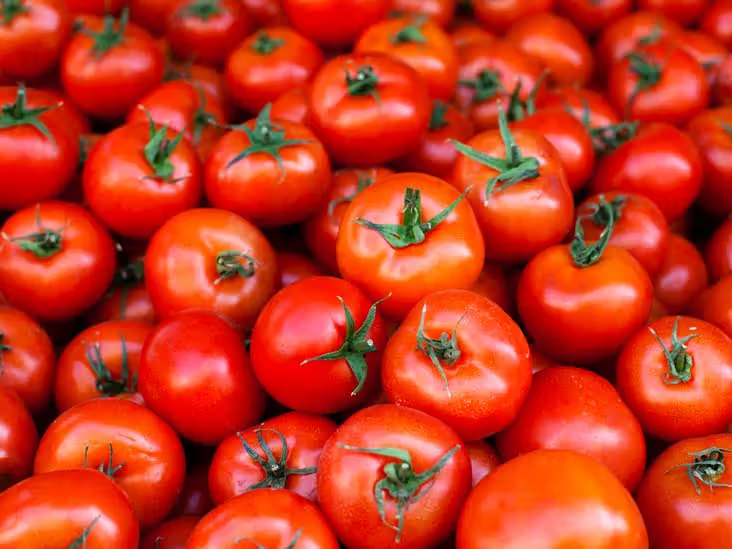
Tomatoes are a familiar choice for sunny vegetable gardens. Certain varieties produce fruit over an extended growing period, although they need consistent watering and appropriate support.
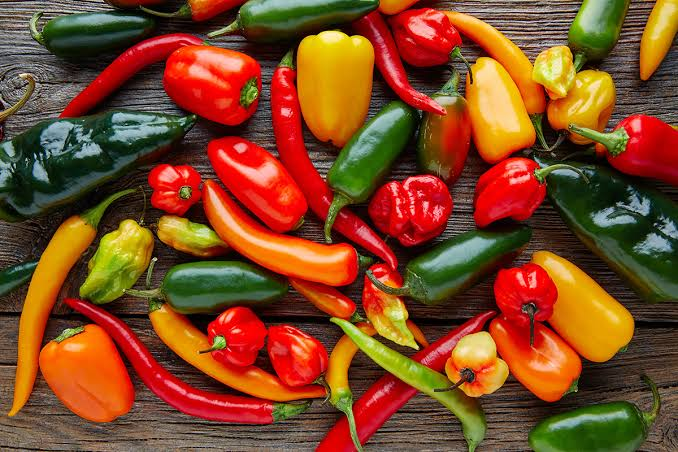
Peppers and chillies also favour warm conditions. Watering around their roots rather than repeatedly soaking the leaves can help maintain healthy growth.
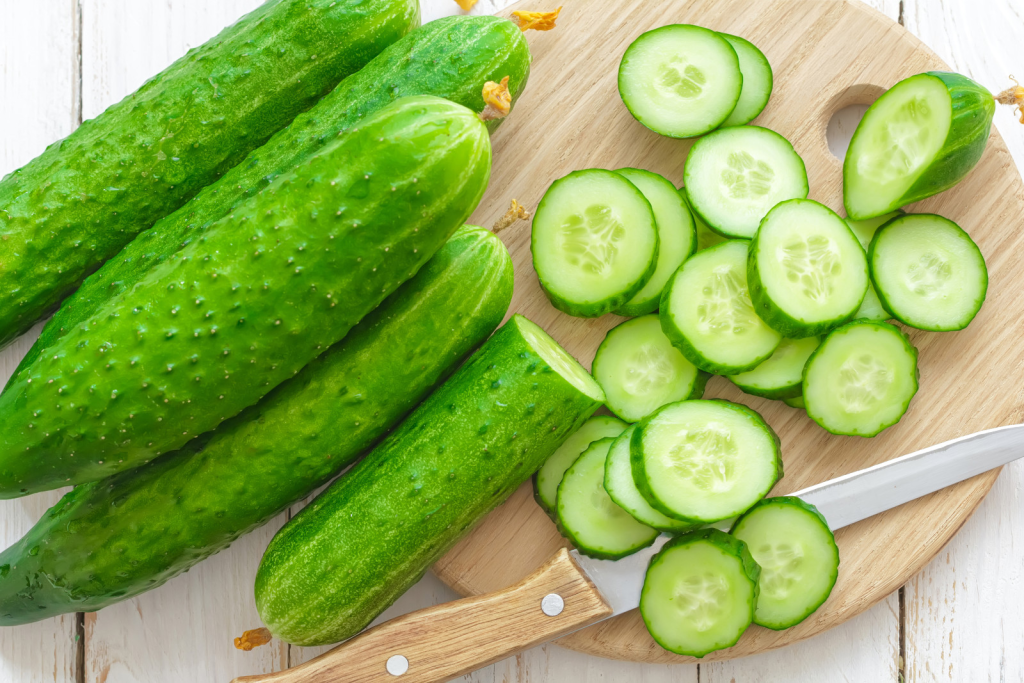
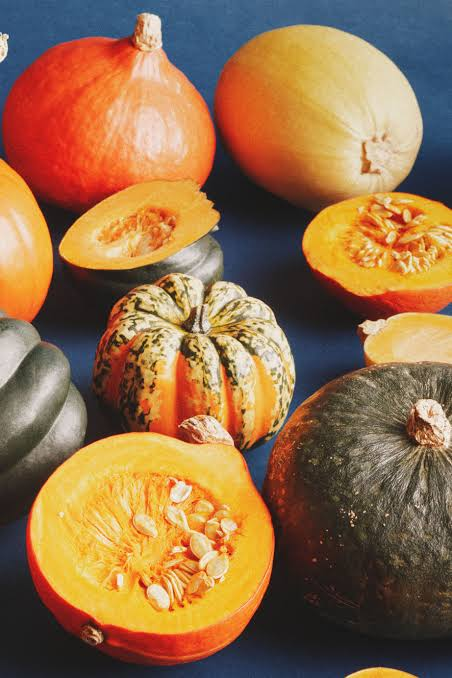
For gardeners with more room, cucumbers, butternut and squash offer additional options. Their spreading growth means they need sufficient space or suitable supports.
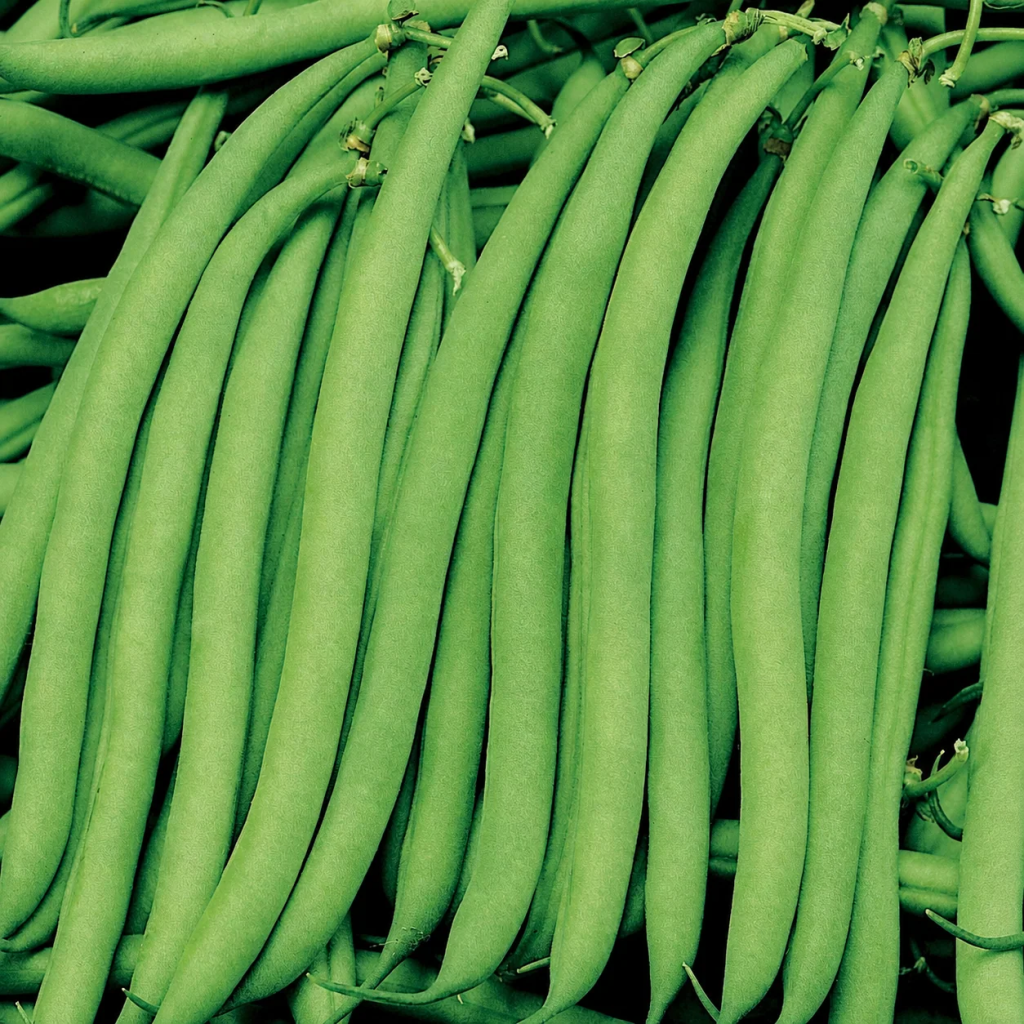
Bush beans are worth considering for smaller gardens, while runner beans require structures to climb.
Herbs such as basil can be grown in pots near a kitchen or on a sunny patio, making them convenient for everyday cooking.
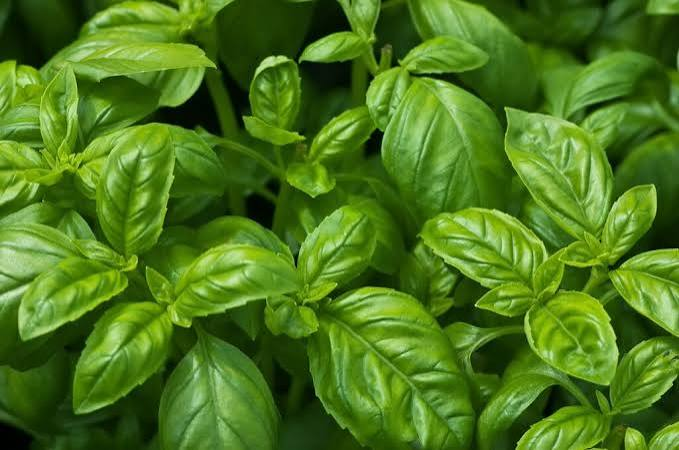
According to South African seed supplier Starke Ayres, warm-season vegetables including beans, cucumbers, squash, peppers and chillies are suitable choices for summer planting when moisture and growing conditions are managed carefully.
Best Indoor Plants for Gauteng Homes and Apartments
Not everyone has access to outdoor space. Indoor plants offer another way to introduce greenery into flats, townhouses and homes.
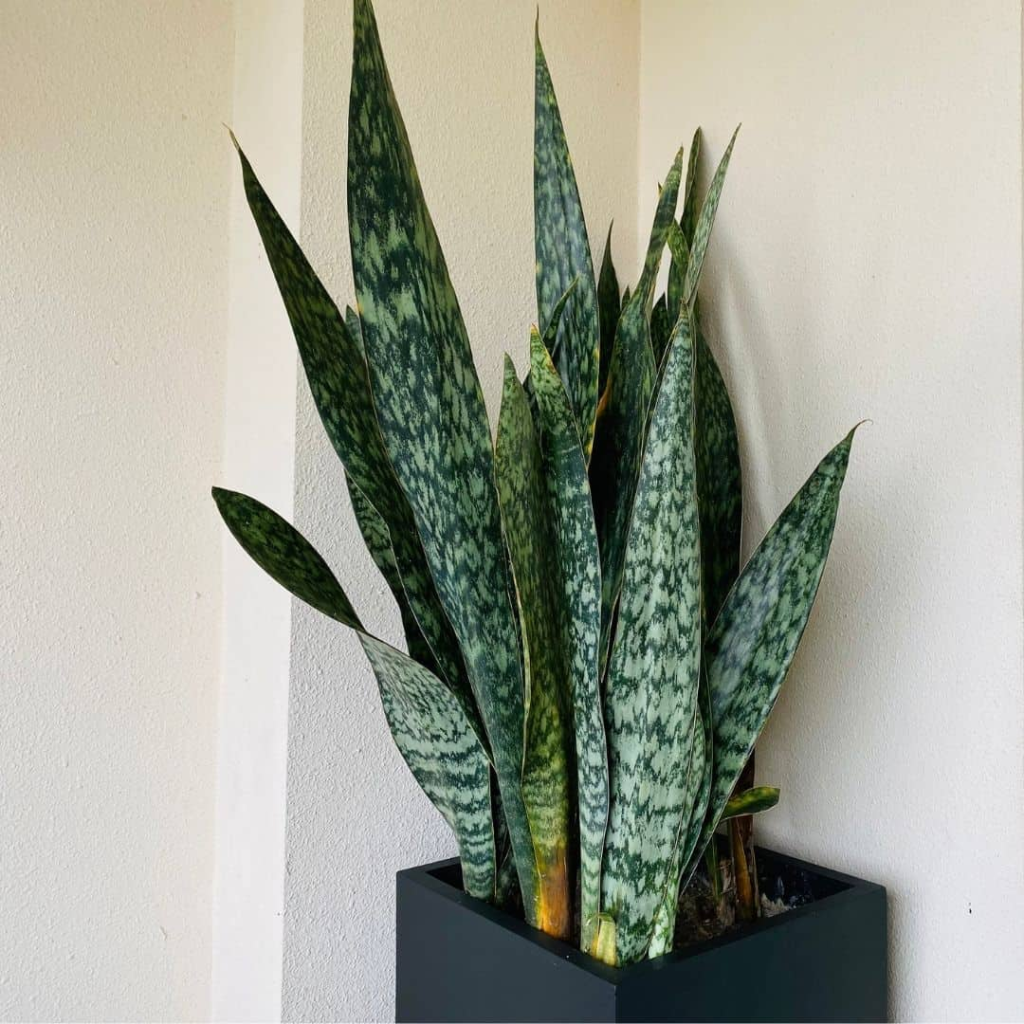
Snake Plant: Known for its upright leaves, the snake plant tolerates irregular watering and can adapt to different indoor light conditions.
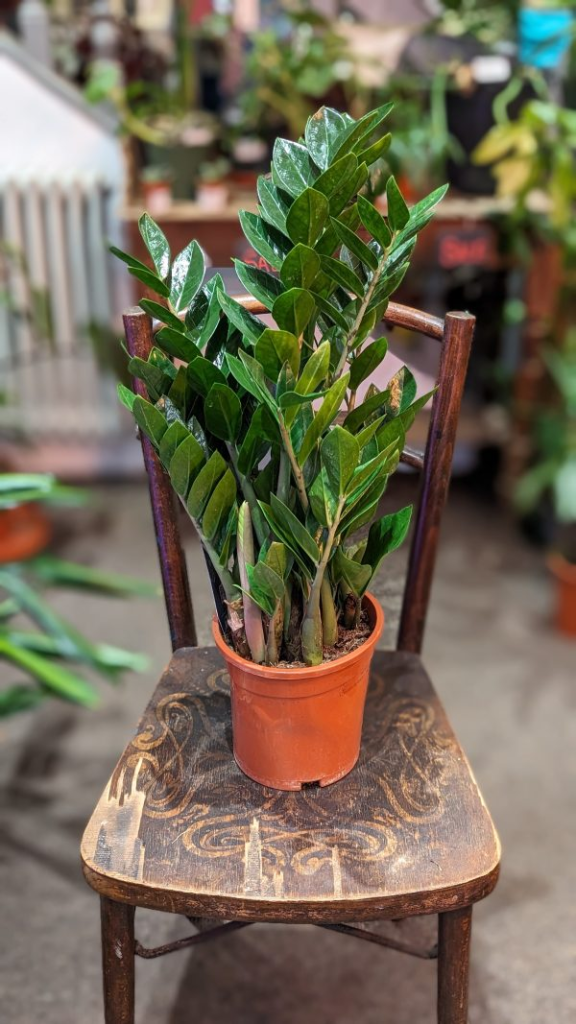
ZZ Plant: Its glossy green leaves make it a popular choice for indoor spaces. It tolerates lower light levels and periods between watering.
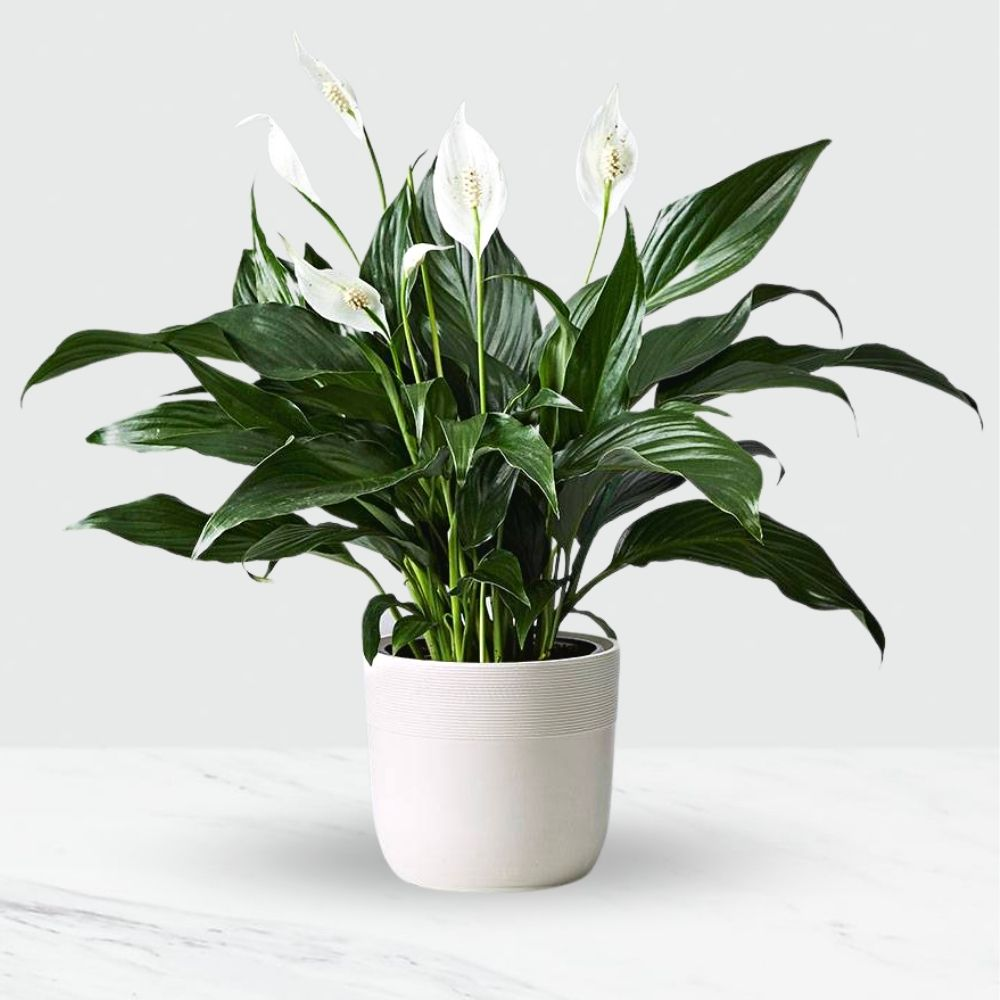
Peace Lily: Recognisable by its white blooms, the peace lily prefers indirect light and reasonably consistent soil moisture.
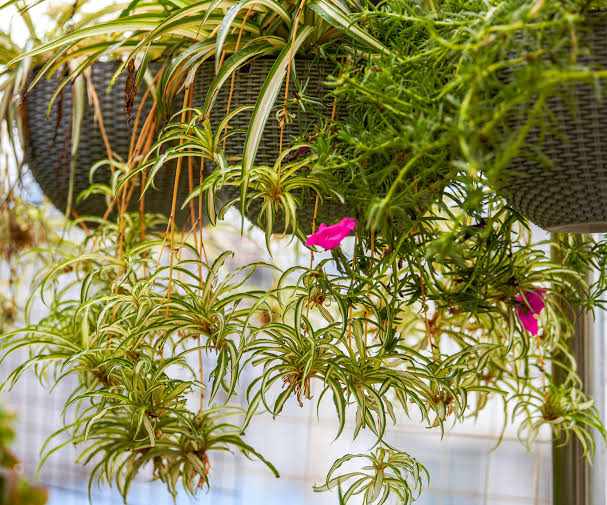
Spider Plant: This adaptable plant produces arching leaves and smaller plantlets that can be propagated into additional pots.
Indoor plants should be selected according to available light rather than appearance alone. A bright window may suit one species while another performs better away from direct afternoon sunshine.
Gardeners should also check plant safety before buying, particularly in homes with young children or pets, as some common houseplants are toxic if eaten.
Do Indoor Plants Really Clean the Air?
Indoor plants are frequently described as natural air purifiers, but their benefits require some explanation.
Plants absorb carbon dioxide during photosynthesis and can interact with certain airborne pollutants. However, this does not mean that placing a few plants around a home will significantly remove indoor pollution.
Research discussed by the Royal Horticultural Society indicates that substantial air quality improvements may require large numbers of plants and particular environmental conditions.
Ventilation and reducing indoor pollution sources remain more effective approaches to improving household air quality.
Indoor plants can nevertheless contribute to more pleasant living environments. Research reviewed by the organisation also associates greenery with benefits such as improved mood and reduced stress.
For Gauteng residents, the strongest reasons to introduce houseplants are therefore their visual appeal, enjoyment and potential wellbeing benefits rather than promises of dramatically cleaner air.
What You Need to Start a Summer Garden
Beginners can start with a small selection of plants and basic equipment instead of purchasing everything at once.
A practical starter kit includes:
- Seeds, seedlings or established potted plants suited to the available space.
- Containers with drainage holes and saucers for indoor use.
- Appropriate potting soil for containers or compost for outdoor garden beds.
- A watering can or hose attachment for controlled watering.
- A small garden trowel and hand fork.
- Mulch for outdoor beds to help retain soil moisture.
Seedlings are particularly convenient for beginners who want to avoid the additional work involved in germinating seeds.
For indoor plants, using suitable potting mix rather than compacted garden soil helps provide the drainage and root conditions that container plants require.
How to Keep Plants Alive During Gauteng’s Summer
Gauteng’s summer rainfall can support plant growth, but hot days and heavy thunderstorms also create challenges.
Check soil before watering. Push a finger a few centimetres into the soil. If it remains damp, additional watering may not be necessary.
Water outdoor plants early. Morning watering gives moisture time to reach the roots before the hottest part of the day.
Use mulch. A layer of organic material around outdoor plants helps reduce moisture loss and protects exposed soil.
Avoid waterlogged pots. Containers need drainage holes, and indoor saucers should not be left holding excess water.
Watch direct sunlight. Indoor plants near west-facing windows may need protection from strong afternoon sunshine.
Prepare for storms. Move vulnerable containers into sheltered positions when severe weather is expected and protect delicate seedlings where practical.
These habits can reduce common problems such as wilting, damaged leaves and root rot.
Where to Buy Plants and Gardening Supplies in Gauteng
Residents can find plants, potting soil, seeds and basic gardening equipment through local nurseries and hardware retailers.
In Johannesburg, options mentioned in the supplied gardening material include Lifestyle Home Garden in Randpark Ridge, Monkey Fountain Nursery in the Linden area, Colourful Splendour Garden Centre in Craighall Park and Shrubs Centre Nursery in Northriding.
Retailers such as Builders and Chamberlains are additional options for gardening equipment and supplies.
Before visiting, shoppers should confirm current trading hours, stock availability and whether a nursery carries the specific plants they want.
What This Means for Gauteng Residents
Gardening provides an accessible outdoor activity for families, individuals and households looking to make better use of their living spaces.
Residents with larger gardens can combine indigenous flowering plants with vegetables, while apartment dwellers can begin with a few indoor pots or suitable balcony containers.
Growing flowering species that attract pollinators can also contribute to local urban biodiversity. Choosing plants suited to their environment and using mulch can help reduce unnecessary watering.
For beginners, the most practical approach is to start small, learn how individual plants respond to their surroundings and expand gradually.
Frequently Asked Questions
1. What are the easiest plants to grow in Gauteng during summer?
Agapanthus, gazanias and plumbago are options for sunny outdoor spaces. Snake plants and ZZ plants are generally manageable choices indoors.
2. Can I grow vegetables on a balcony?
Yes. Tomatoes, chillies, peppers and herbs can be grown in suitable containers with adequate sunlight, drainage and watering.
3. How often should I water indoor plants in summer?
There is no single schedule for every plant. Check soil moisture regularly and adjust watering according to the species, pot size and indoor conditions.
4. Do indoor plants improve air quality?
Plants can interact with some indoor pollutants, but a small collection is unlikely to significantly purify household air. Good ventilation remains important.
5. Is it better to buy seeds or seedlings?
Seeds can be useful for growing larger quantities, while seedlings offer beginners a simpler starting point because the plants have already germinated.
Start Small and Let Your Summer Garden Grow
A successful summer garden begins with selecting plants suited to the space available.
Whether that means a pot of basil outside the kitchen, indigenous flowers in the backyard or a snake plant beside a bright window, Gauteng residents can introduce greenery without undertaking a major landscaping project.
Start with a few manageable plants, monitor their watering and sunlight needs, and use the summer growing season to develop practical gardening skills.
