




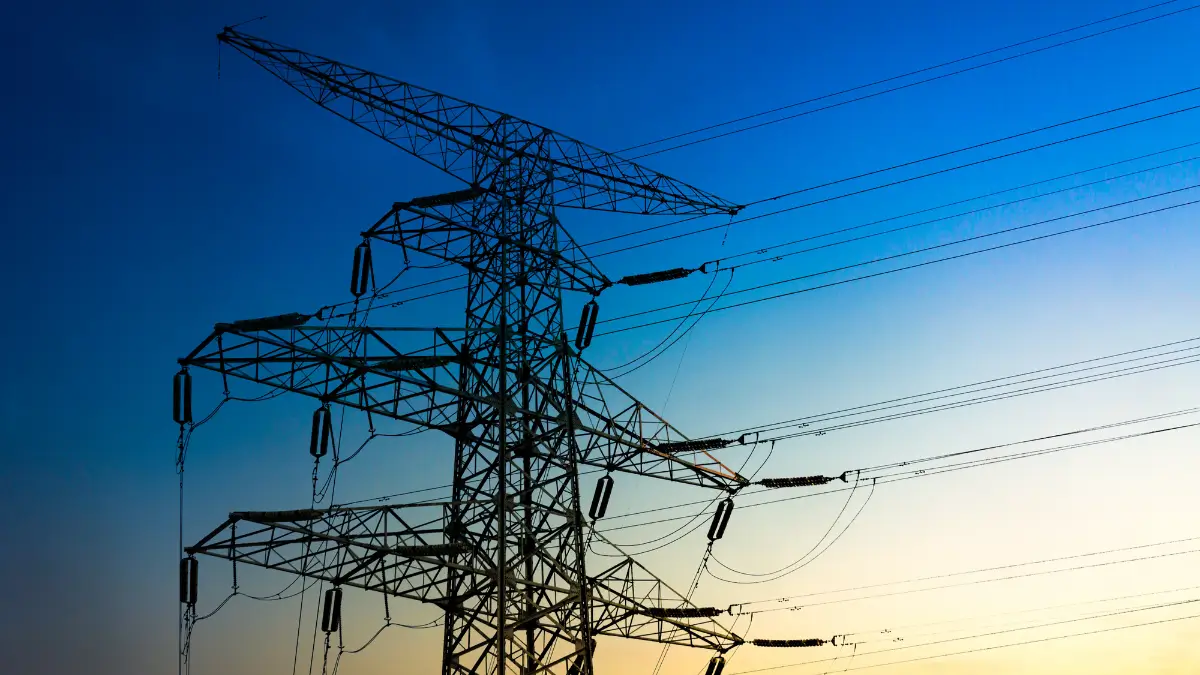
Gauteng households are preparing for higher electricity bills from 1 July as municipal electricity tariff increases take effect across South Africa. The increases will affect residents supplied by municipalities, including Johannesburg, Tshwane and Ekurhuleni, at a time when many households are already facing rising living costs.
The National Energy Regulator of South Africa (NERSA) has approved new electricity tariffs for 176 licensed municipal and private electricity distributors. While the percentage increases vary between municipalities, most residents can expect to pay noticeably more for electricity from the start of the new municipal financial year.
The increases come after Eskom’s own tariff adjustment for direct customers took effect on 1 April 2026.
ALSO READ: Gauteng Water Crisis Deepens as Joburg Records 16 Pipe Bursts in Six Days
Municipal Electricity Prices Rising from July
Approximately two-thirds of South African households receive electricity through municipalities rather than directly from Eskom.
For these residents, July traditionally marks the beginning of a new tariff cycle.
According to NERSA, approved increases differ across municipalities:
- Johannesburg: 8.63%
- Tshwane: 10.09%
- Ekurhuleni: 12.7%
- eThekwini: 9.4%
- Mangaung: 9.73%
- Nelson Mandela Bay: 9.81%
- Cape Town: 7.5%
Among Gauteng’s metros, Ekurhuleni residents are expected to face the largest increase.
For households already managing higher food prices, transport costs, school expenses and fuel costs, the latest adjustment will place additional pressure on monthly budgets.
Why Electricity Tariffs Are Increasing
Municipalities purchase bulk electricity from Eskom and then distribute it to residents and businesses.
Tariff adjustments are generally linked to:
- Bulk electricity purchase costs
- Infrastructure maintenance
- Network upgrades
- Operational costs
- Service delivery requirements
Municipalities argue that regular tariff adjustments are necessary to maintain ageing infrastructure and ensure reliable electricity supply.
However, consumer groups have repeatedly raised concerns about affordability, particularly as many households continue to face economic pressure.
How the Increase Could Affect Gauteng Households
The impact will vary depending on electricity usage and whether residents use prepaid or conventional meters.
Households that rely heavily on:
- Electric geysers
- Heaters
- Tumble dryers
- Electric stoves
- Air-conditioning systems
may notice the biggest increases in monthly electricity spending.
Winter usage patterns often result in significantly higher electricity consumption, making the July increase particularly noticeable for many Gauteng residents.
According to energy experts, electricity usage typically rises during colder months as households increase heating and hot water consumption.
Winter Electricity Demand Adds More Pressure
The timing of the tariff increase coincides with Gauteng’s coldest period of the year.
Many households are already using additional electricity for:
- Space heaters
- Electric blankets
- Geysers
- Heated appliances
- Extended indoor activities
This combination of higher tariffs and increased consumption means some residents may see a larger-than-expected jump in monthly electricity costs.
For families on fixed incomes, pensioners and lower-income households, the increase may require adjustments to monthly spending.
Tips to Save Money as Electricity Prices Rise
Although tariff increases cannot be avoided, there are practical ways to reduce electricity consumption and limit the impact on household budgets.
Switch Off Appliances at the Plug
Many appliances continue consuming electricity even when not actively in use.
Switching devices off at the wall can help reduce unnecessary power usage.
Manage Your Geyser Efficiently
The geyser remains one of the biggest contributors to household electricity bills.
Residents can reduce costs by:
- Lowering the thermostat temperature
- Installing a geyser blanket
- Using less hot water
- Switching the geyser off when away from home for extended periods
Replace Older Light Bulbs
LED bulbs use substantially less electricity than traditional bulbs and typically last much longer.
While the initial cost may be higher, the long-term savings can be significant.
Run Appliances Only When Necessary
Washing machines, dishwashers and tumble dryers consume considerable electricity.
Running full loads rather than multiple smaller loads can help reduce usage.
Make Use of Natural Light
Opening curtains and blinds during the day can reduce dependence on lighting, particularly during winter mornings and afternoons.
Monitor High-Consumption Appliances
Appliances that generally use the most electricity include:
- Heaters
- Electric stoves
- Kettles
- Tumble dryers
- Geysers
Reducing unnecessary usage can help control monthly costs.
Consider Long-Term Energy Solutions
Some homeowners are increasingly investing in:
- Solar geysers
- Rooftop solar systems
- Energy-efficient appliances
- Smart energy management systems
While these options involve upfront costs, they may help reduce electricity spending over time.
What This Means for Gauteng Residents
The July tariff increases mean most households across Gauteng will spend more on electricity from next month.
For residents in Johannesburg, Tshwane and Ekurhuleni, the increases come at a time when household budgets are already under pressure from multiple cost increases.
The impact is likely to be felt most by households with high winter electricity consumption and those relying heavily on electric heating and hot water systems.
While residents cannot avoid the tariff increases themselves, understanding electricity usage patterns may help manage some of the additional costs.
Frequently Asked Questions
When do the new electricity tariffs take effect?
Most municipal electricity tariff increases take effect on 1 July 2026.
Which Gauteng metro has the highest increase?
Ekurhuleni has received one of the largest approved increases among Gauteng metros at 12.7%.
Does the increase affect prepaid electricity users?
Yes. Residents using prepaid electricity supplied through municipalities will also be affected by the new tariffs.
Why are electricity tariffs increasing?
Municipalities cite rising bulk electricity costs, infrastructure maintenance and operational expenses as key reasons for the increases.
How can households reduce electricity costs?
Residents can lower consumption by improving geyser efficiency, switching off appliances when not in use, using LED lighting and reducing unnecessary electricity usage.
What Happens Next?
The new tariffs will officially take effect from 1 July, with municipalities expected to update their billing systems and prepaid vending platforms accordingly.
Residents will be able to view the updated rates through their respective municipalities once the new financial year begins. As winter electricity demand remains high across Gauteng, many households are expected to closely monitor consumption levels in the coming months to manage the impact of higher tariffs.
