





Fifty years after the Soweto Uprising changed the course of South African history, thousands of visitors are expected to visit the sites where students marched, protested and lost their lives on 16 June 1976. The anniversary comes as South Africa commemorates Youth Month under the national theme, “Finishing What Was Started”, reflecting on the legacy of the youth who challenged apartheid and the challenges facing young people today. For Gauteng residents and visitors, the June 16 Trail offers a chance to walk through one of the country’s most significant historical routes while supporting local tourism and township businesses.
The route connects key memorials, museums and heritage landmarks that preserve the story of the 1976 uprising and the students who became symbols of resistance.
ALSO READ: Eastgate Mall Shops Guide 2026
Why the 50th Anniversary of June 16 Matters
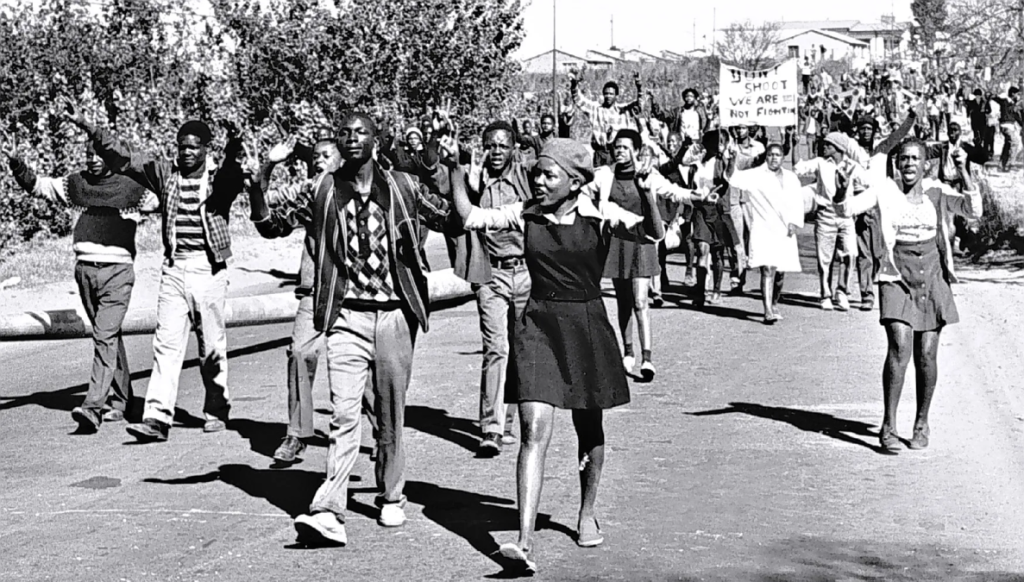
On 16 June 1976, thousands of school pupils took to the streets of Soweto to protest against the apartheid government’s decision to enforce Afrikaans as a language of instruction in schools.
What began as a peaceful demonstration quickly turned violent when police confronted students.
Hundreds of young people were killed during the uprising and the events that followed. The protests spread across South Africa and became a defining moment in the struggle against apartheid.
Today, June 16 is commemorated as Youth Day, while 2026 marks the 50th anniversary of the uprising.
The milestone has renewed attention on the heritage sites that preserve the stories of those who participated in the protests.
What Is the June 16 Soweto Route?
The June 16 Soweto Route is a recognised heritage route that follows sections of the path taken by protesting students during the 1976 uprising.
The route links several important historical sites, memorials and educational institutions associated with the events of June 16.
It has become one of Gauteng’s most significant heritage tourism experiences, attracting local visitors, schools, researchers and international tourists interested in South Africa’s liberation history.
The route allows visitors to move through the story chronologically while experiencing the communities where history unfolded.
Stop One: June 16 Memorial Acre and Interpretation Centre
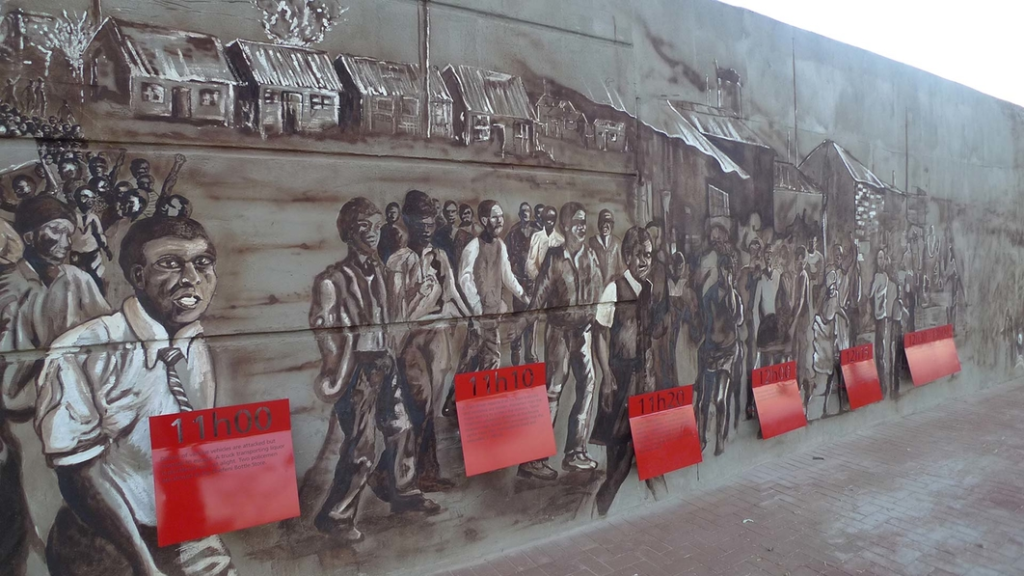
Many guided tours begin at the June 16 Memorial Acre and Interpretation Centre.
The site serves as an introduction to the events of 1976 and provides historical context before visitors follow the broader heritage route.
Visitors can explore:
- Historical displays
- Public artworks
- Memorial features
- Educational information panels
- Interpretive exhibits explaining the uprising
The memorial helps visitors understand the social and political conditions that led to the protests.
It also provides insight into the role students played in challenging apartheid policies.
Walking the Route of the Student March
From the Memorial Acre, visitors can follow portions of the historic route used by students during the march.
Along the way, guides often explain:
- How the protests were organised
- The schools involved
- The police response
- The broader impact of the uprising
- The spread of resistance across South Africa
Walking the route offers a very different experience from reading about the events in a textbook.
Many visitors describe the experience as one of the most powerful ways to understand the scale and significance of June 16.
Stop Two: Hector Pieterson Memorial and Museum
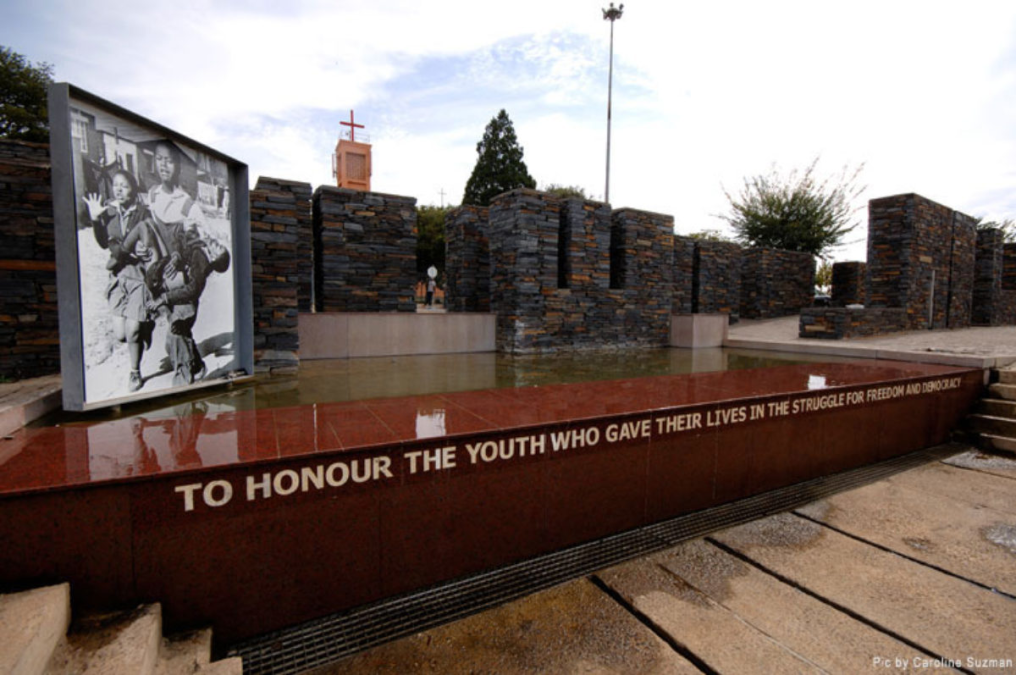
The Hector Pieterson Memorial and Museum remains one of the most visited heritage attractions in Gauteng.
Located in Orlando West, the museum stands near the location where 12 year old Hector Pieterson was shot during the uprising.
His death became internationally known through the photograph taken by Sam Nzima, which captured fellow student Mbuyisa Makhubo carrying Hector while Antoinette Sithole ran beside them.
The image became one of the most recognisable photographs of the anti-apartheid struggle.
Inside the museum, visitors can explore:
- Archival photographs
- Audio testimonies
- Historical documents
- Video exhibits
- Personal stories from survivors and participants
The museum focuses not only on Hector Pieterson but also on the broader experiences of young people involved in the uprising.
Why Local Guides Add More Meaning
While visitors can explore many sites independently, local guides often provide context that cannot be found on information boards.
Many township guides have direct family connections to the events of 1976 or grew up hearing stories from relatives who witnessed the uprising.
Guided tours often include:
- Personal accounts
- Community history
- Visits to additional landmarks
- Discussions about modern Soweto
- Insights into local culture and entrepreneurship
Youth guides in particular have become an important part of heritage tourism in Soweto.
Their involvement helps create economic opportunities while ensuring that younger generations continue sharing these stories.
Stop Three: The Apartheid Museum
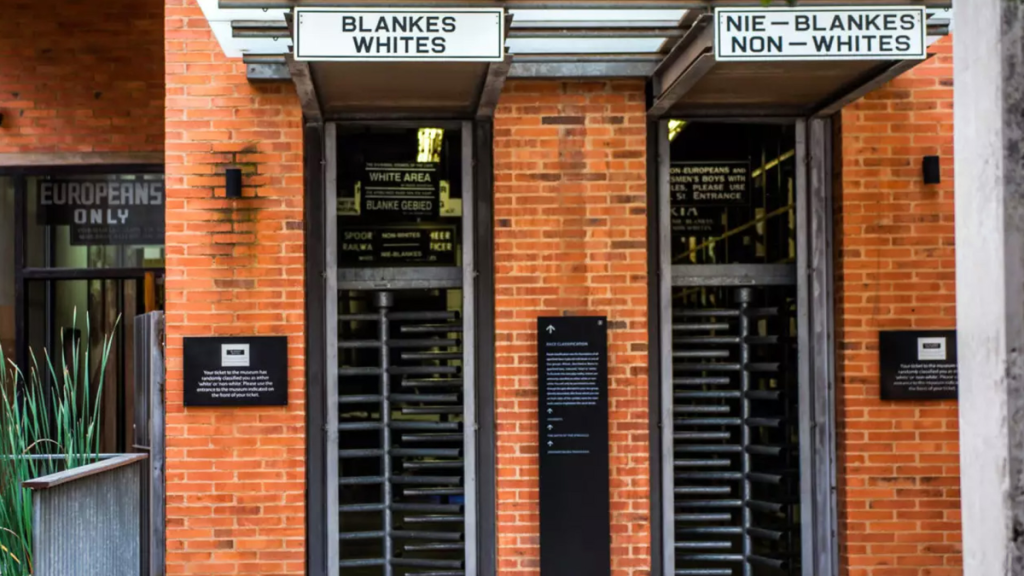
For visitors seeking broader historical context, the Apartheid Museum in Ormonde provides a deeper understanding of the political system that shaped South Africa before democracy.
Although not located directly on the June 16 Route, it is often included as part of a full-day heritage itinerary.
The museum explores:
- The rise of apartheid
- Racial segregation laws
- Resistance movements
- Political imprisonment
- Democratic transition
The exhibits help visitors understand why the 1976 uprising became such a pivotal moment in South African history.
Supporting Local Businesses Along the Route
The June 16 Trail is also an important driver of township tourism.
Many visitors spend time at nearby attractions and businesses, particularly around Vilakazi Street.
The area is home to:
- Local restaurants
- Cafés
- Craft vendors
- Cultural experiences
- Youth-owned tourism businesses
Tourism authorities say visitor spending helps support small businesses and creates economic opportunities within local communities.
Practical Guide: Planning Your Visit
Recommended Starting Point
June 16 Memorial Acre and Interpretation Centre
Time Needed
- Self-guided visit: 2 to 4 hours
- Guided heritage tour: 4 to 8 hours
- Full-day experience including the Apartheid Museum: 6 to 10 hours
What to Bring
- Comfortable walking shoes
- Water
- Sun protection
- Camera
- Identification if required for bookings
Visitor Etiquette
Because these are memorial sites, visitors are encouraged to:
- Respect designated memorial areas
- Keep noise levels low
- Follow museum rules
- Ask permission before photographing individuals
- Treat exhibits and memorials with dignity
What This Means for Gauteng Residents
The 50th anniversary of June 16 provides an opportunity for Gauteng residents to reconnect with one of the province’s most important historical stories.
The heritage route offers more than a tourism experience. It serves as a reminder of the sacrifices made by young people during apartheid and highlights the continuing role of youth in shaping South Africa’s future.
The anniversary is also expected to boost tourism activity in Soweto, benefiting guides, small businesses, crafters and hospitality operators throughout the area.
Frequently Asked Questions
What is the June 16 Trail?
The June 16 Trail is a heritage route in Soweto that follows locations connected to the 1976 student uprising.
Why is 2026 significant?
It marks 50 years since the Soweto Uprising of 16 June 1976.
Where is the Hector Pieterson Museum?
The museum is located in Orlando West, Soweto.
Can I visit the sites without a guide?
Yes. Most sites can be visited independently, although guided tours often provide additional historical context.
How long does the route take?
Visitors can spend anywhere from a few hours to a full day exploring the sites.
What Happens Next?
As Youth Month commemorations continue throughout Gauteng, heritage organisations, museums and tourism operators are expected to host exhibitions, tours and educational programmes linked to the 50th anniversary. The June 16 Trail is likely to remain a focal point of commemorative activities as South Africans reflect on the legacy of the youth who helped change the country’s future.
