




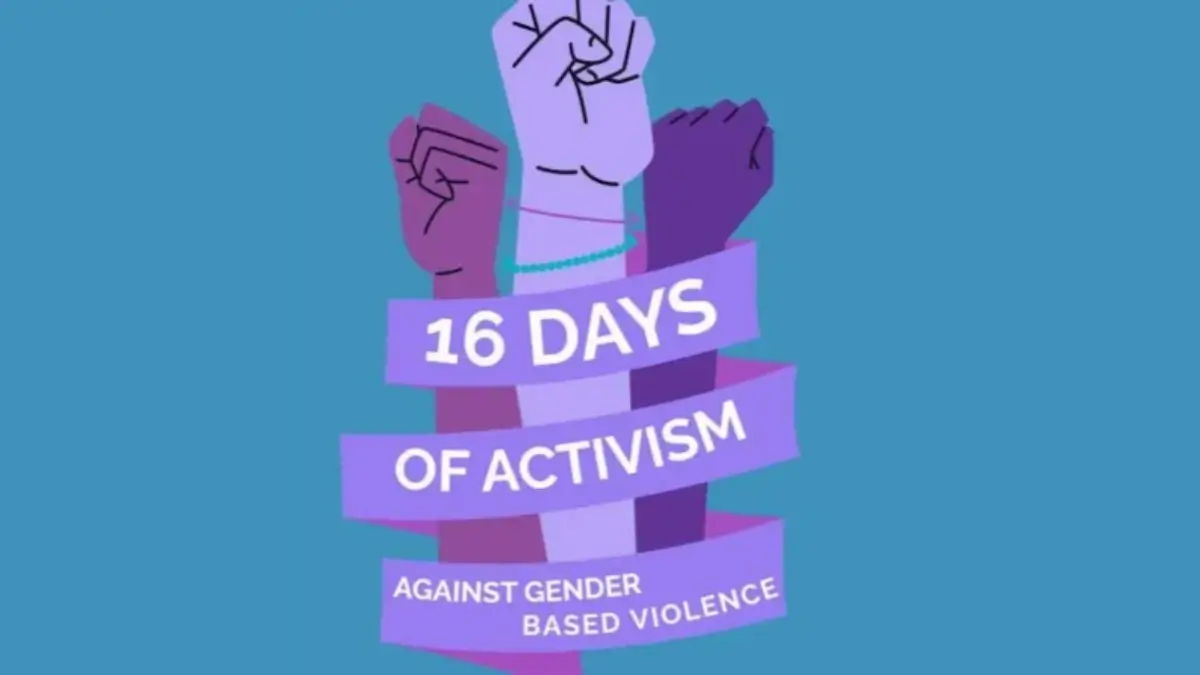
South Africa officially begins its annual 16 Days of Activism for No Violence Against Women and Children campaign today, Wednesday, 25 November 2026, calling on communities to take collective action against gender based violence and femicide (GBVF). Running until 10 December, this year’s campaign focuses on shared responsibility, community awareness, prevention and improved access to support for survivors. In Gauteng, the provincial Department of Health has reaffirmed its commitment to addressing GBVF through specialised healthcare services, psychosocial support and targeted community interventions.
This year’s campaign is being held under the theme “LETSEMA: Men, Women, Boys and Girls Working Together to End Gender-Based Violence and Femicide”.
The theme places emphasis on the responsibility of individuals, families, communities and institutions to challenge abusive behaviour and create safer environments for women and children.
ALSO READ: Gauteng Health: No Police Case Needed for Rape Survivors to Access Medical Care
What Is the 16 Days of Activism Campaign?
The 16 Days of Activism for No Violence Against Women and Children is an international awareness campaign that takes place annually from 25 November to 10 December.
The campaign begins on the International Day for the Elimination of Violence Against Women and concludes on International Human Rights Day.
According to Parliament, its purpose is to raise awareness about the harmful impact of violence and abuse on women and children while encouraging action to eliminate abuse permanently.
The campaign also seeks to improve public understanding of individual rights, available protection services and the responsibility of communities to respond to violence.
Although the campaign runs for 16 days, its success depends on sustained action throughout the year.
Why Is the 16 Days of Activism Campaign Important?
Violence against women and children can occur within homes, relationships, workplaces and communities.
Parliament describes abuse as behaviour that causes fear, physical harm or forces someone to act against their will.
Abuse is not limited to physical violence. Controlling behaviour, intimidation and the misuse of authority are also issues that the campaign seeks to confront.
The 2026 campaign encourages society to address the behaviours and attitudes that contribute to violence, particularly the abuse of power within relationships and households.
It also highlights the importance of ensuring that survivors can access healthcare, protection and support without fear of judgement.
What Happens During the 16 Days of Activism?
Throughout the campaign period, the focus is on raising public awareness, encouraging conversations about abuse, promoting available support services and strengthening efforts to prevent GBVF.
Government departments, communities and individuals are encouraged to participate in initiatives that promote safety, equality, dignity and accountability.
Several significant international observances also fall within the campaign period.
| Date | International Observance |
|---|---|
| 25 November | International Day for the Elimination of Violence Against Women |
| 29 November | International Women Human Rights Defenders Day |
| 1 December | World AIDS Day |
| 3 December | International Day of Persons with Disabilities |
| 10 December | International Human Rights Day |
These observances highlight the relationship between human rights, healthcare, equality, disability inclusion and protection from violence.
How Gauteng Is Responding to Gender Based Violence and Femicide
As the campaign begins, the Gauteng Department of Health has reaffirmed its commitment to strengthening healthcare services and support for GBVF survivors.
Gauteng has 27 designated Clinical Forensic Medical Services (CFMS) facilities and Thuthuzela Care Centres (TCCs), which provide specialised medical care to survivors.
Available services include clinical assessments, forensic medical examinations, treatment of injuries, psychosocial support and assistance with medico-legal processes.
Importantly, survivors of rape and sexual assault do not need to visit a police station or open a criminal case before receiving medical attention.
They can seek assistance directly at their nearest public clinic, Clinical Forensic Medical Services facility or Thuthuzela Care Centre.
The department has emphasised the importance of seeking medical attention promptly, particularly because HIV post exposure prophylaxis (PEP) must be initiated within 72 hours of potential exposure.
Survivors should still seek medical assistance even if more than 72 hours have passed.
Child Abuse and Intimate Partner Violence Remain Areas of Concern in Gauteng
The provincial health department has identified Dark City and surrounding communities in Tshwane as areas requiring targeted intervention following an increase in forensic cases involving child abuse and intimate partner violence.
The department has also expressed concern about children accessing medical assistance more than 72 hours after alleged sexual abuse, as well as sexual offences involving children against other children.
These concerns highlight the need for early identification of abuse, timely reporting, stronger child protection measures and greater community awareness.
Parents, caregivers and community members are encouraged to take disclosures of abuse seriously and seek appropriate assistance.
Gauteng e-Panic Button: How Residents Can Access Emergency Assistance
Gauteng residents facing domestic violence, gender based violence or other emergencies can request assistance through the Gauteng e-Panic Button application.
The free service forms part of the Gauteng Provincial Government’s efforts to improve access to emergency response services.
The application is available on Android and iOS devices.
How to Download and Register for the Gauteng e-Panic Button
- Open the Google Play Store or Apple App Store.
- Search for the Gauteng e-Panic Button application.
- Download and install the application.
- Register using your mobile number.
- Complete the verification and profile registration process.
Once registered, residents can use the application to request emergency assistance.
The provincial government has encouraged residents to familiarise themselves with the application before an emergency occurs.
Residents should be aware that the Gauteng Provincial Legislature raised concerns in October 2026 about an alleged security breach involving the platform and called for an independent investigation.
The application should serve as an additional emergency support option rather than replace direct contact with police or other emergency services.
The Role of Men and Boys in Ending GBVF
On Tuesday, 24 November 2026, the Gauteng Department of Health held its Men’s Health Forum Awards, recognising male employees who have demonstrated leadership in promoting wellbeing and contributing to GBVF prevention.
The initiative encourages men to promote respectful relationships, reject violence, support survivors and raise boys who understand equality, dignity and responsibility.
These objectives reflect this year’s LETSEMA theme, which recognises that ending GBVF requires participation from society as a whole.
What This Means for Gauteng Residents
Residents can participate in the 16 Days of Activism campaign through practical actions within their households, workplaces and communities.
These include challenging abusive behaviour, supporting survivors without judgement, reporting suspected child abuse, teaching children about respectful relationships and familiarising themselves with available emergency and healthcare services.
The campaign also provides an opportunity for residents experiencing abuse to learn about the support available to them.
Accessing assistance does not have to depend on whether a survivor has decided to pursue criminal proceedings.
Frequently Asked Questions
When Does 16 Days of Activism 2026 Start?
The campaign begins today, 25 November 2026, and continues until 10 December 2026.
What Is the Theme for 16 Days of Activism 2026?
The theme is “LETSEMA: Men, Women, Boys and Girls Working Together to End Gender-Based Violence and Femicide”.
Is the Gauteng e-Panic Button Free?
Yes. The Gauteng Provincial Government provides the application as a free emergency assistance service.
Can Survivors Access Medical Treatment Without Reporting Abuse to the Police?
Yes. Survivors of rape and sexual assault can access medical assistance without first opening a criminal case.
GBVF Helplines and Where to Get Help in Gauteng
Residents experiencing abuse or concerned about the safety of another person can contact the following support services.
| Support Service | Contact Number |
|---|---|
| Gender Based Violence Command Centre | 0800 428 428 |
| SAPS Crime Stop | 08600 10111 |
| Stop Gender Violence Helpline | 0800 150 150 |
| FAMSA | 011 975 7107 |
| SA National Council for Child Welfare | 011 339 5741 |
Survivors can also approach their nearest public healthcare facility, Clinical Forensic Medical Services facility or Thuthuzela Care Centre for assistance.
While the 16 Days of Activism campaign concludes on 10 December, the responsibility to prevent violence, protect children and support survivors continues throughout the year.
