




Government has identified R38,1 billion in savings over the next three years. It says the money will come from cutting programmes that no longer work, reducing fraud and waste, and moving money to programmes that deliver results.
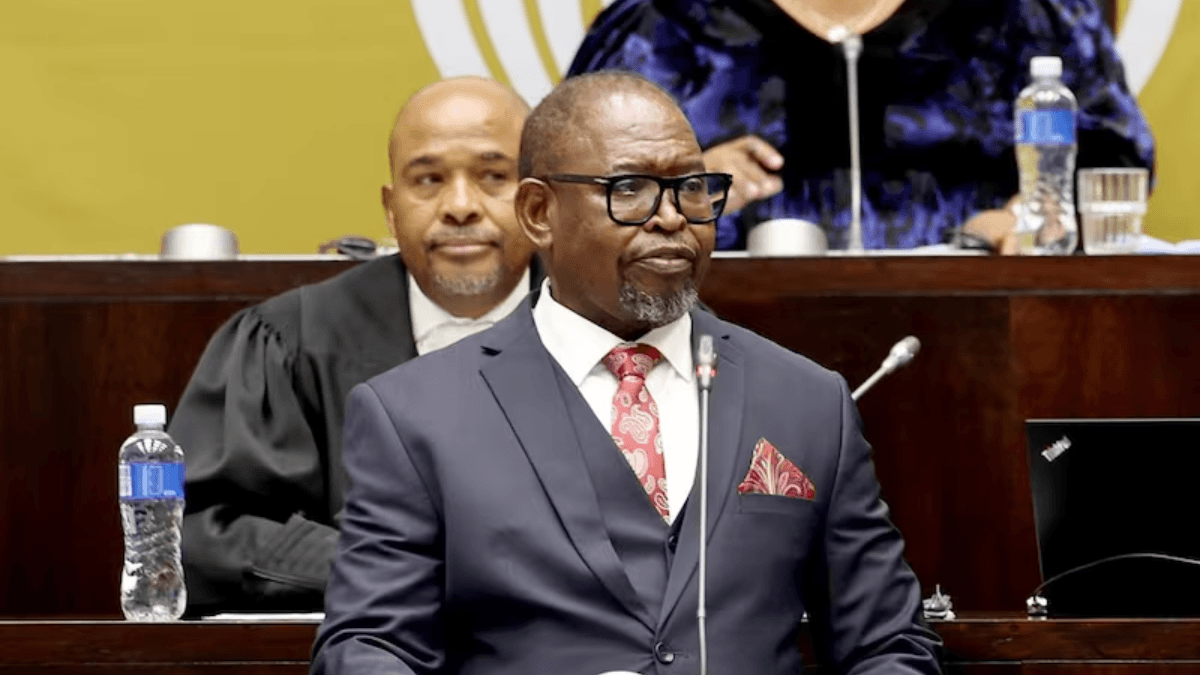
Finance Minister Enoch Godongwana announced the savings on Wednesday, 21 October 2026, when he delivered the Medium-Term Budget Policy Statement (MTBPS), also known as the mini-budget, in Parliament.
“We are phasing out programmes that are no longer fit for purpose,” Godongwana said. “We are also restructuring underperforming and inefficient programmes, and reducing administrative inefficiencies and fraud in programmes.”
The R38,1 billion comes on top of R12 billion in savings already identified in the February 2026 Budget.
Where The R38,1 Billion In Savings Will Come From
The savings are spread over the 2027 Medium-Term Expenditure Framework (MTEF), which covers government’s next three-year budget period.
| Source of savings | Amount |
|---|---|
| Reducing fraud in social grants | R13 billion |
| Low-priority programmes, duplication and admin waste in national departments | R11,7 billion |
| Human settlements development grant | R7,8 billion |
| Surpluses in public entities | R5,5 billion |
| Total | R38,1 billion |
Treasury says the savings have been reprioritised and redirected across the budget, not simply removed.
How Treasury Decided What To Cut
Treasury says the savings are part of a move away from “incremental, input-driven budgeting”. In that approach, departments get roughly the same as last year, plus a bit more. Under the new approach, spending decisions are based on outcomes, affordability and value for money.
According to the MTBPS document, every programme is assessed against the same questions:
“Are programmes legally required? Are they aligned with policy priorities? Do they efficiently deliver measurable outputs and outcomes? Is there persistent underspending or poor performance? Could the same objective be achieved at lower cost or through a better institutional arrangement?”
“Government will continue to reduce leakage and fraud by improving administration and verification, redesigning programmes that fail to meet their objectives, redirecting funds from low priority, inefficient or duplicated activities and addressing accumulated cash surpluses in public entities,” Treasury said.
Godongwana added that provinces could also find savings. For example, more effective pay policies for healthcare workers could free up money for provinces to employ more health professionals.
ALSO READ: Fuel Price October 2026: Gauteng 95 Hits R30.25 As Fuel Prices Surge
What Do The Social Grant Savings Mean For Beneficiaries?
The biggest single saving, R13 billion, comes from reducing fraud in social grants. Government describes this as cutting fraud and improving verification. It hasn’t announced cuts to grant amounts.
For the millions of Gauteng residents who receive SASSA grants, this is likely to mean stricter checks on who qualifies. To avoid problems with your payments:
- keep your contact, banking and identity details up to date with SASSA
- respond promptly if SASSA asks you to verify your details
- only use official SASSA channels, and never pay anyone to “fast-track” a grant
- report suspected grant fraud to SASSA.
Housing: R7,8 Billion From The Human Settlements Grant
Government will take R7,8 billion from the human settlements development grant. Godongwana said “programme inefficiencies and rent seeking means that we are spending less on building houses”. In other words, too much of the grant has been lost before it turns into homes.
Gauteng has some of the country’s largest housing backlogs, so how this money is redirected, and whether reforms lead to more houses being built, will matter to many residents.
Where Extra Money Is Going In 2026/27
Higher-than-expected tax collections give government more room this year. Godongwana said spending in 2026/27 can increase by R45,5 billion compared with February’s plans.
The Adjustments Budget
The 2026 Adjustments Appropriation Bill adds R10,6 billion to spending. Together with allocations from the contingency reserve, it includes:
- R6,2 billion for unforeseeable and unavoidable expenses, mostly disaster relief and rehabilitation
- R1,9 billion in rollovers from the previous financial year
- R4,3 billion in self-financing expenditure
- R2,2 billion for early retirement and voluntary exit packages for qualifying public servants
- R823 million for the South African National Defence Force to deploy troops to help police fight gang-related crime and illegal mining
- R516 million for the Madlanga, Khampepe and Nkabinde commissions of inquiry
- R150 million for government’s digital services unit to develop the MyMzansi app, which will let people access government services on a single digital platform.
Other Allocations
- R10 billion goes to the contingency reserve for the El Niño response and other risks. Forecasters expect a hot, dry summer.
- R20 billion is earmarked for infrastructure projects being evaluated by the Budget Facility for Infrastructure.
- A Special Appropriation Bill for 2026/27 allocates R6,9 billion, mainly to the South African Revenue Service (SARS).
Other Key Mini-Budget Announcements
- Fuel levy relief: the fuel levy will be cut by R1,50 a litre for petrol and R3 a litre for diesel from 4 November to 1 December 2026. Treasury estimates the relief will cost R10 billion in lost revenue. For Gauteng motorists, it should soften November’s expected fuel price increase.
- Growth: Treasury has cut its 2026 growth forecast to 1,2%, down from 1,6% in February. It cited the impact of the US-Iran conflict and the fuel price spike.
- Debt: government debt stabilised at 78,4% of GDP in 2025/26. Godongwana said that’s the first time in nearly two decades.
- Revenue: main budget revenue for 2026/27 is R54,1 billion higher than projected in February.
Frequently Asked Questions
How Much Has Government Saved In The 2026 Mini-Budget?
Government identified R38,1 billion in savings over the 2027 MTEF period, on top of R12 billion identified in the February 2026 Budget.
Where Do The R38,1 Billion In Savings Come From?
R13 billion from reducing social grant fraud, R11,7 billion from low-priority programmes and admin waste in national departments, R7,8 billion from the human settlements development grant and R5,5 billion from surpluses in public entities.
Are Social Grants Being Cut?
Government says the R13 billion saving comes from reducing fraud in social grants. It hasn’t announced cuts to grant amounts.
What Is The MyMzansi App?
MyMzansi is a planned government app that will let people access government services through a single digital platform. The mini-budget allocates R150 million to develop it.
Is There Fuel Price Relief In The Mini-Budget?
Yes. The fuel levy will be cut by R1,50 a litre for petrol and R3 a litre for diesel from 4 November to 1 December 2026.
How Much Extra Will Government Spend In 2026/27?
Government says higher revenue allows it to increase spending by R45,5 billion compared with February’s Budget.
For most households, the most immediate change is the fuel levy relief from 4 November. It takes R1,50 off every litre of petrol and R3 off every litre of diesel for about a month. That should help commuters, taxi operators and businesses that move goods around the province.
Over the longer term, the savings drive could affect services people rely on. That includes stricter checks on social grants, changes to how housing money is spent and pressure on provinces to spend health budgets more efficiently. Government says the aim is to get more value from every rand, but how well it does that will show in service delivery.
