




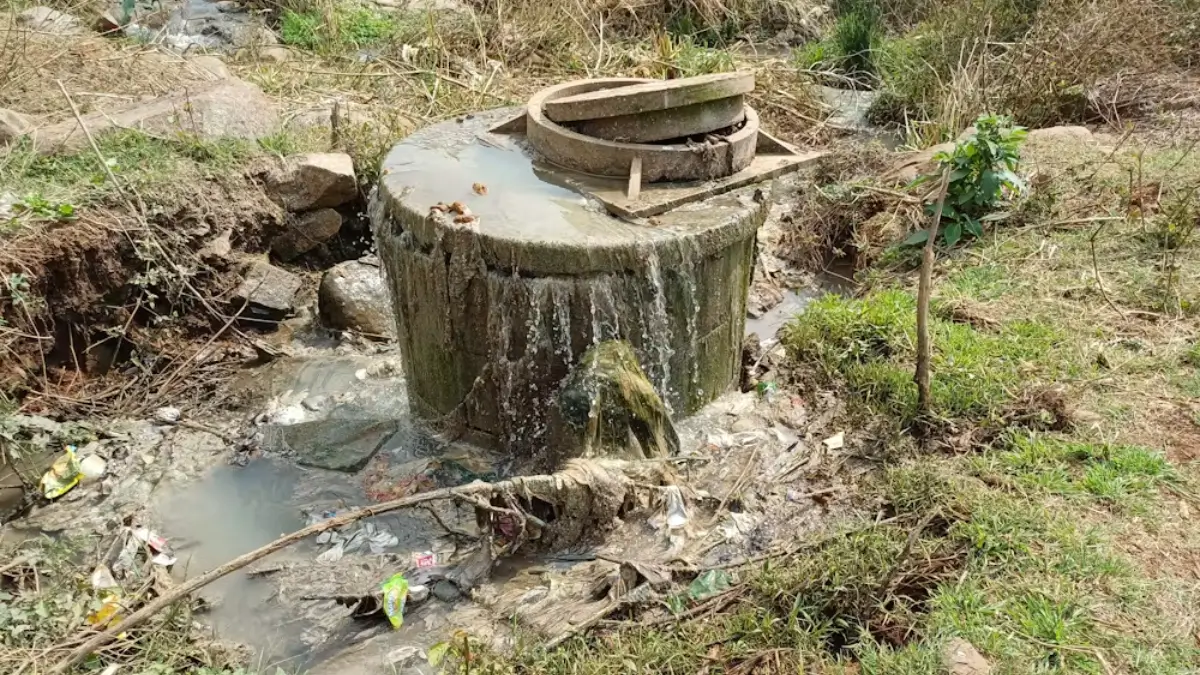
Reports of recurring sewage overflows in Boipatong have renewed attention on Emfuleni Local Municipality’s wastewater infrastructure, where 9 170 sewer related complaints were recorded during the 2024/25 financial year. While the total number of complaints fell substantially from 18 999 the previous year, about 3 001 were not classified as successfully resolved. The figures come as national government continues a R7.6 billion intervention aimed at repairing and upgrading water and sanitation infrastructure across Emfuleni.
The latest figures show both progress and the scale of the remaining challenge in one of Gauteng’s most closely watched wastewater systems.
ALSO READ: Why Gauteng’s West Rand Is at the Centre of the Illegal Mining Crackdown
Emfuleni recorded 9 170 sewer complaints
Emfuleni recorded 9 170 sewer related complaints during the 2024/25 financial year, according to figures contained in the municipality’s annual reporting.
Of these, 6 169 complaints were classified as successfully resolved. This represents approximately 67% of the total recorded during the year.
About 3 001 complaints were therefore not classified as successfully resolved under the municipality’s reporting measure.
The overall number of sewer complaints nevertheless declined significantly compared with the previous financial year, when 18 999 complaints were recorded.
This represents a reduction of more than half in the number of complaints recorded between the two reporting periods.
The decline is significant, but thousands of complaints continued to be logged during the latest financial year.
Hundreds of kilometres of sewer pipelines cleaned
Emfuleni has also reported extensive maintenance work on its sewer network.
During the 2024/25 financial year, approximately 500 kilometres of sewer pipelines were cleaned.
The municipality also reported replacing about 5.5 kilometres of old or damaged sewer pipes in areas identified as critical.
The work indicates that maintenance and replacement programmes are taking place across the municipality.
However, recurring sewer problems continue to be reported in some communities, including Boipatong, where sewage overflows have recently brought renewed attention to local wastewater infrastructure.
The continued reports raise questions about whether some sections of the network require more extensive rehabilitation rather than repeated clearing of individual blockages.
Why sewer problems can continue after blockages are cleared
Recurring sewage overflows can have several infrastructure related causes, including damaged pipelines, blocked sewer lines, insufficient network capacity and problems elsewhere in a connected wastewater system.
Clearing an immediate blockage can restore flow without necessarily addressing the underlying condition of the infrastructure.
This distinction is important in Emfuleni, where government intervention includes both routine maintenance and larger rehabilitation projects.
Long term improvements depend on the condition and capacity of sewer pipelines, pump stations and wastewater treatment facilities working together as a functioning system.
This is why the scale of Emfuleni’s intervention extends beyond responding to individual sewer complaints.
R7.6 billion intervention underway in Emfuleni
National government has been intervening in Emfuleni’s water and sanitation services since 2021 under Section 63 of the Water Services Act.
Rand Water was appointed as the implementing agent for the intervention.
The programme has an estimated value of approximately R7.6 billion over seven years and includes work on wastewater treatment facilities, sewer pipelines and pump stations.
The intervention followed longstanding problems involving wastewater infrastructure and sewage pollution affecting communities and the Vaal River system.
Government has also identified the need to increase wastewater treatment capacity as sewage volumes grow.
The programme therefore combines repairs to existing infrastructure with larger projects intended to improve the capacity and reliability of the overall system.
R1.6 billion in work reported by June 2026
By June 2026, Sedibeng District Municipality reported that approximately R1.6 billion of the R7.6 billion intervention had been executed.
Reported work included the replacement of 50 collapsed sewer pipelines.
Four pump stations had reached completion, while three wastewater treatment works had been restored to full functionality.
These projects represent substantial infrastructure work across Emfuleni.
However, the persistence of sewer complaints illustrates the scale of the network that authorities are attempting to rehabilitate.
It also means progress on major infrastructure projects may not immediately eliminate every localised blockage or sewer overflow experienced by households.
Wastewater failures remain a wider national concern
Emfuleni’s challenges form part of a broader wastewater infrastructure problem affecting municipalities across South Africa.
The Department of Water and Sanitation assessed 848 wastewater treatment systems in its 2025 Green Drop assessment, covering the 2023/24 municipal financial year.
Of these, 396 systems, or 47%, were classified as being in a critical state.
That was an increase from 334 systems, or 39%, in the previous Green Drop assessment.
The number of systems receiving good or excellent assessments also declined from 118 to 66.
Only 14 wastewater systems achieved Green Drop certification in 2025, compared with 22 during the previous assessment.
The deterioration was associated with several factors, including ageing infrastructure, insufficient maintenance, shortages of skilled personnel, inadequate operating procedures and weaknesses in municipal management.
Why Emfuleni’s sewer network matters to Gauteng
Emfuleni’s wastewater infrastructure has significance beyond individual sewer blockages.
Untreated sewage can move from residential areas and roads into stormwater systems, streams and rivers.
This is particularly important in southern Gauteng because the Vaal River system is one of the country’s most important water resources.
Pollution of the Vaal has previously been identified as one of the major concerns requiring national government intervention in Emfuleni.
Wastewater management therefore involves both reliable sanitation services for households and the protection of water resources.
The effectiveness of the Section 63 intervention will ultimately depend on whether infrastructure improvements result in fewer recurring sewer failures and more reliable wastewater services.
What This Means for Gauteng Residents
For Emfuleni residents, the latest figures present a mixed picture.
The number of recorded sewer complaints declined from 18 999 to 9 170 between the two financial years, indicating a substantial reduction.
At the same time, approximately 3 001 complaints during 2024/25 were not classified as successfully resolved.
Residents in communities where sewage problems continue should report recurring blockages and overflows to the municipality so that incidents can be recorded and investigated.
Direct contact with raw sewage should be avoided where possible because untreated wastewater can contain microorganisms and other contaminants.
The continuing infrastructure programme will be important to determining whether the reduction in complaints can be sustained and whether recurring problems in affected neighbourhoods can be permanently addressed.
Frequently Asked Questions
How many sewer complaints did Emfuleni record?
Emfuleni recorded 9 170 sewer related complaints during the 2024/25 financial year.
How many complaints were successfully resolved?
The municipality classified 6 169 complaints, or approximately 67%, as successfully resolved. About 3 001 were not classified as successfully resolved under that measure.
Are sewer complaints decreasing in Emfuleni?
The recorded number declined from 18 999 in the previous financial year to 9 170 in 2024/25, representing a reduction of more than half.
How much is being spent on Emfuleni’s water and sanitation intervention?
The Section 63 intervention has an estimated value of approximately R7.6 billion over seven years. By June 2026, approximately R1.6 billion in work had reportedly been executed.
What work is being done on Emfuleni’s sewer infrastructure?
Reported work includes cleaning sewer pipelines, replacing collapsed and damaged pipes, repairing pump stations and restoring wastewater treatment facilities.
Focus Turns to Lasting Wastewater Improvements
Emfuleni’s sewer complaint figures show measurable improvement, with reported complaints falling by more than half compared with the previous financial year.
However, 9 170 complaints in a single year remain significant, while approximately 3 001 were not classified as successfully resolved.
With a R7.6 billion intervention underway and major wastewater projects already completed or in progress, the next measure of success will be whether infrastructure improvements translate into fewer recurring sewer problems for communities across Emfuleni.
