




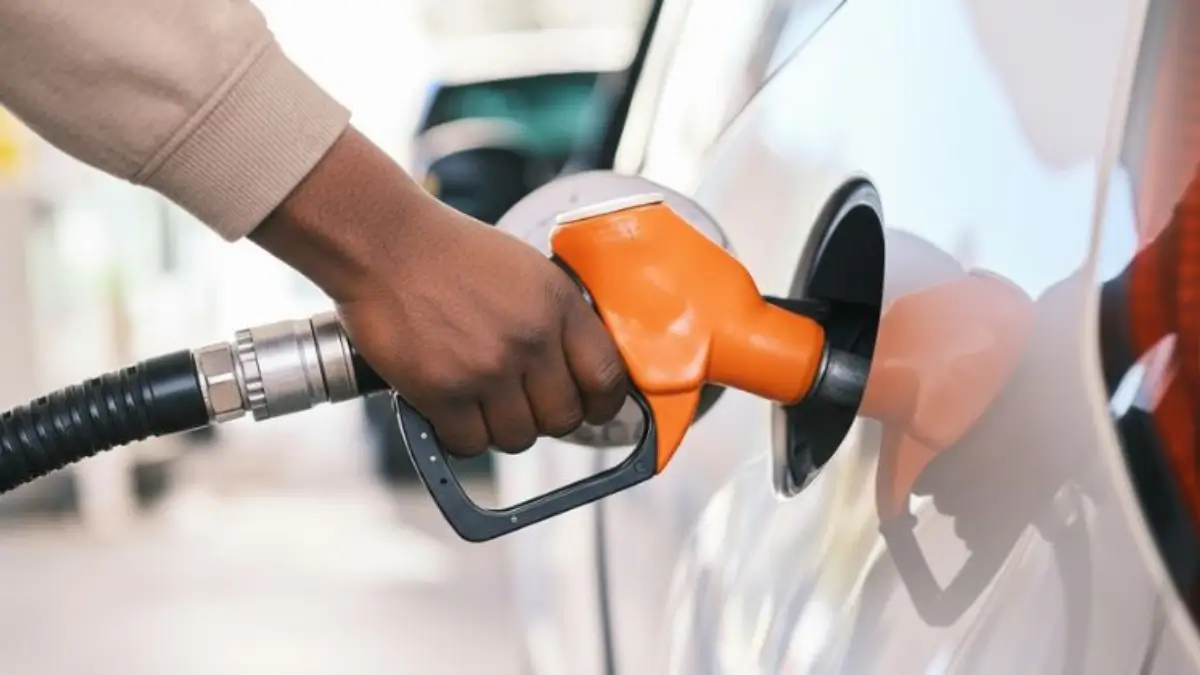
South African motorists could see significant petrol price reductions in December 2026, with early Central Energy Fund (CEF) figures indicating possible decreases of up to R1.82 per litre. The projected changes are expected to take effect on Wednesday, 2 December 2026, following the Department of Mineral and Petroleum Resources’ official monthly fuel price announcement. While petrol drivers could benefit from lower international oil prices and a stronger rand, diesel users face possible increases as National Treasury prepares to reduce its temporary fuel levy relief.
For Gauteng residents, the December fuel price forecast offers the possibility of lower commuting costs ahead of the festive season, although the final adjustments remain uncertain.
ALSO READ: Fuel Price South Africa: Latest Petrol and Diesel Prices and Forecasts
December 2026 Petrol Prices Could Fall by More Than R1.50
Preliminary CEF data suggests that both grades of petrol could become cheaper in December, reversing some of the pressure motorists have experienced throughout 2026.
The latest projections, after accounting for the government’s planned fuel levy changes, indicate:
- Petrol 93: A possible decrease of R1.52 per litre.
- Petrol 95: A possible decrease of R1.82 per litre.
- Diesel 0.05% sulphur: A possible increase of R1.49 per litre.
- Diesel 0.005% sulphur: A possible increase of R1.15 per litre.
These estimates are based on early November fuel price recovery data and remain subject to change.
The CEF tracks movements in international petroleum prices and the rand exchange rate to assess whether local fuel prices are recovering more or less than their regulated selling prices.
An over-recovery generally points towards a potential price decrease, while an under-recovery indicates upward pressure.
However, the final monthly adjustment also accounts for government levies and other components of South Africa’s regulated fuel price structure.
Projected December 2026 Fuel Prices for Gauteng
If the preliminary adjustments remain unchanged, Gauteng motorists could pay considerably less for petrol from the beginning of December.
Estimated Inland Petrol and Diesel Prices
| Fuel Type | November Price | Projected Change | Estimated December Price |
|---|---|---|---|
| Petrol 93 | R29.87 | Decrease of R1.52 | R28.35 |
| Petrol 95 | R30.24 | Decrease of R1.82 | R28.42 |
| Diesel 0.05% sulphur | R30.85 | Increase of R1.49 | R32.34 |
| Diesel 0.005% sulphur | R31.60 | Increase of R1.15 | R32.75 |
Diesel figures represent wholesale prices, meaning individual filling stations may charge different amounts.
These are estimated December prices, not officially confirmed adjustments.
The final figures will depend on international fuel market conditions, exchange rate movements and applicable government levies during the remainder of November.
Why Petrol Prices Could Decrease in December
Two important developments are contributing to the improved petrol price outlook: lower international oil prices and a relatively stronger rand.
South Africa relies heavily on imported petroleum products, making domestic fuel prices sensitive to global market movements.
When international petroleum prices decrease, the cost of supplying fuel to the South African market can also decline.
Recent market data indicates that international crude oil prices have eased from the higher levels recorded during earlier periods of volatility.
Brent crude was reported at approximately US$85 per barrel in one of the early November assessments.
The rand was also trading at approximately R16.39 against the US dollar during that reporting period.
A stronger rand can reduce the local currency cost of importing fuel, supporting lower prices at South African filling stations.
However, international oil prices and exchange rates can change throughout the month, meaning the current projections are not guaranteed.
Diesel Prices Could Increase Despite Lower Oil Costs
While petrol prices are showing favourable recovery figures, diesel users face a different outlook.
Early December projections indicate wholesale diesel increases of between R1.15 and R1.49 per litre.
One of the main reasons is the scheduled reduction in the government’s temporary fuel levy relief.
The levy adjustment is expected to add pressure to diesel prices even as international petroleum market conditions improve.
Higher diesel prices matter beyond motorists who drive diesel vehicles.
Diesel is widely used in freight transport, logistics, agriculture and commercial operations.
Businesses that rely on diesel-powered vehicles may face higher operating costs if the projected increases are implemented.
However, whether those costs result in higher consumer prices will depend on individual businesses and market conditions.
Treasury to Reduce Temporary Fuel Levy Relief in December
National Treasury introduced temporary reductions to the General Fuel Levy in November 2026 to cushion motorists against rising fuel costs.
The relief forms part of a broader intervention aimed at limiting the immediate impact of international petroleum price increases.
During November, the reductions were:
- Petrol: R1.50 per litre.
- Diesel: R3.00 per litre.
From December, the temporary reductions are scheduled to decrease to:
- Petrol: R1.00 per litre.
- Diesel: R1.50 per litre.
This means the reduction in relief effectively adds 50 cents per litre to petrol and R1.50 per litre to diesel compared with November’s levy arrangements.
The revised relief is scheduled to remain in place until 5 January 2027.
The December fuel price projections already account for these planned changes.
Without the partial withdrawal of levy relief, the potential petrol reductions could be larger.
For diesel, the smaller levy reduction is a significant factor behind the projected price increases.
What This Means for Gauteng Residents
For Gauteng households, lower petrol prices could provide some relief from the cost of daily commuting.
Residents travelling between Johannesburg, Pretoria, Ekurhuleni, Soweto, Midrand and the West Rand may benefit if the forecast reductions are confirmed.
For a vehicle with a 50 litre petrol tank, the projected changes would mean:
- Petrol 93: Approximately R76 less per full tank.
- Petrol 95: Approximately R91 less per full tank.
These calculations assume the full forecast reductions take effect.
For motorists who refuel regularly, the savings could help reduce monthly transport expenditure.
However, diesel-dependent businesses and transport operators may face higher fuel costs.
Possible consequences include additional pressure on freight, deliveries and other commercial transport expenses.
December Fuel Price Forecast Comes After a Costly Year
The December outlook follows several months of substantial fuel price increases in South Africa.
Petrol prices increased sharply during 2026 as international petroleum markets experienced significant volatility.
By November, the government had introduced temporary levy relief to limit the effect of rising fuel costs.
The November adjustment brought only a 1 cent per litre reduction for petrol, while wholesale diesel prices decreased by approximately R1.10 to R1.20 per litre.
The possibility of larger petrol reductions in December therefore represents a more meaningful change for motorists.
However, even if the forecast cuts materialise, they would not reverse all the fuel price increases recorded earlier in the year.
The direction of future prices will continue to depend on international petroleum markets, the rand and government fuel price adjustments.
Frequently Asked Questions About December 2026 Fuel Prices
When Will December 2026 Fuel Prices Take Effect?
The next monthly fuel price adjustment is scheduled for Wednesday, 2 December 2026. The Department of Mineral and Petroleum Resources is expected to confirm the official changes shortly before that date.
How Much Could Petrol Decrease in December?
Early CEF projections indicate a possible decrease of R1.52 per litre for 93 petrol and R1.82 per litre for 95 petrol, after accounting for planned fuel levy changes.
Will Diesel Prices Increase in December?
Current projections suggest wholesale diesel could increase by R1.49 per litre for 0.05% sulphur diesel and R1.15 per litre for 0.005% sulphur diesel.
Why Could Petrol Become Cheaper While Diesel Gets More Expensive?
Lower international petroleum prices and rand movements are supporting the petrol outlook. However, the scheduled reduction in temporary fuel levy relief is placing additional upward pressure on diesel prices.
Are the December 2026 Fuel Prices Confirmed?
No. The figures are preliminary estimates based on early November CEF data. The official adjustments will only be confirmed by the Department of Mineral and Petroleum Resources.
What Happens Next
The Central Energy Fund will continue tracking international petroleum prices and currency movements throughout November.
The Department of Mineral and Petroleum Resources is expected to announce the final December fuel price adjustments before they take effect on 2 December 2026.
For now, Gauteng petrol motorists could see meaningful savings, while diesel users face the possibility of higher costs.
Motorists should monitor the official announcement before making financial decisions based on the preliminary projections.
