





Nelson Mandela Month is being marked across South Africa this July, with Nelson Mandela International Day taking place on 18 July 2026 and communities reflecting on Madiba’s legacy of service, equality and reconciliation.
For Gauteng residents and visitors, the province offers a direct way to explore that history through heritage sites in Johannesburg, Soweto, Alexandra, Sandton and Tshwane. From Mandela’s former homes and legal offices to the prison complex where he was detained, these landmarks trace key chapters in his life and South Africa’s journey to democracy.
A visit to these sites offers historical context beyond the annual 67 minutes of service associated with Mandela Day.
ALSO READ: Mandela Month 2026: What It Means, Why It Is Celebrated and How Gauteng Can Get Involved
Why Gauteng is Central to Nelson Mandela’s Story
Nelson Mandela arrived in Johannesburg from the Eastern Cape in 1941, beginning a period that would shape his political, legal and personal journey.
His years in Gauteng connected him to Alexandra, the Johannesburg CBD and Soweto, where he lived, worked and became increasingly involved in the struggle against apartheid.
The province is also home to institutions and memorials that document the wider struggle for democracy, including Constitution Hill and the Apartheid Museum.
This Nelson Mandela Month, these heritage sites provide an opportunity to understand Madiba’s life through the places where key moments unfolded.
Visit Nelson Mandela House on Vilakazi Street
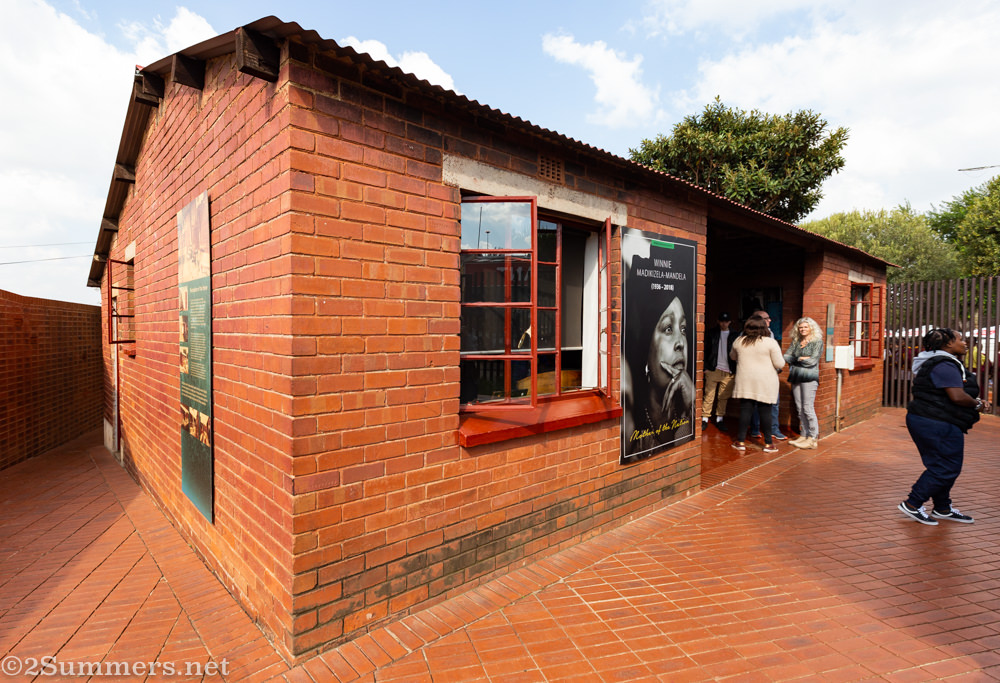
Nelson Mandela House at 8115 Vilakazi Street in Orlando West, Soweto, is one of the best known sites connected to the former president.
Mandela lived at the house from 1946, and it became closely linked to his family life and political journey. He also returned to the property after his release from prison in 1990.
Today, the restored matchbox house operates as a museum and preserves objects, photographs and historical information connected to Mandela and his family.
Vilakazi Street itself holds an important place in South African history. Nelson Mandela and Archbishop Desmond Tutu both lived on the street, linking the Soweto neighbourhood to two Nobel Peace Prize laureates.
A visit to Mandela House can also form part of a wider exploration of Orlando West and Soweto’s liberation history.
Remember The Youth of 1976 at the Hector Pieterson Memorial and Museum
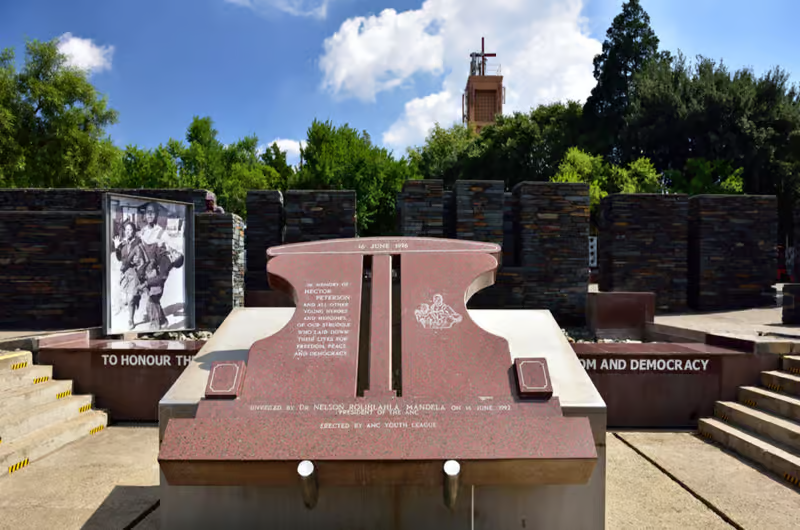
A short distance from Vilakazi Street, the Hector Pieterson Memorial and Museum documents the 1976 Soweto uprising.
The museum is named after Hector Pieterson, the schoolboy whose death became one of the most recognised symbols of the uprising.
Through photographs, testimonies and historical records, the museum examines the events of 16 June 1976 and the role young people played in opposing apartheid education policies.
While the museum focuses on a broader chapter of South Africa’s liberation struggle, its history forms part of the political landscape that shaped the democratic transition associated with Mandela and other struggle leaders.
Visitors exploring Mandela’s legacy in Soweto can use the museum to gain a wider understanding of the community’s role in resisting apartheid.
Explore Mandela’s Prison History at Constitution Hill
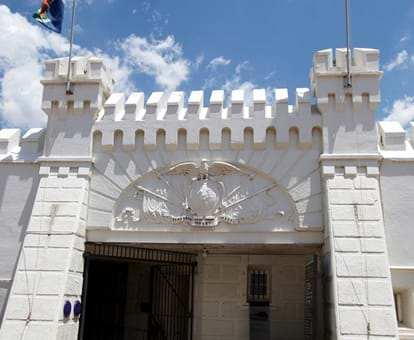
Constitution Hill in Johannesburg was once a prison complex that held political activists and ordinary prisoners under colonial and apartheid rule.
Nelson Mandela was among the prominent people detained at the site. Mahatma Gandhi and Winnie Madikizela Mandela were also imprisoned at the complex during different periods.
Parts of the former prison remain accessible as heritage spaces, including the Old Fort, Number Four and the Women’s Jail.
Visitors can also learn about Mandela’s detention and explore the broader history of imprisonment and human rights abuses at the site.
Constitution Hill is now home to South Africa’s Constitutional Court.
Its transformation from a place of incarceration into the home of the country’s highest court on constitutional matters reflects South Africa’s transition from apartheid to constitutional democracy.
See Where Mandela and Tambo Built a Legal Practice
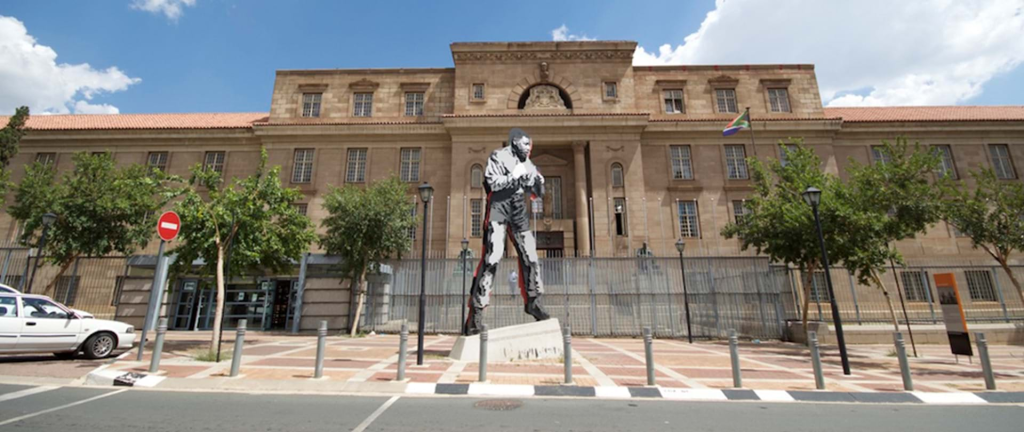
Chancellor House in the Johannesburg CBD is another important stop for visitors tracing Mandela’s history.
The building housed the legal offices of Mandela and Tambo, the law practice established by Nelson Mandela and Oliver Tambo in 1952.
The firm represented Black South Africans at a time when apartheid laws controlled where people could live, work and move.
Its location in central Johannesburg places Mandela’s legal career within the city where he developed as a lawyer and political leader.
Chancellor House remains an important landmark for understanding how Mandela’s legal work and political activism increasingly intersected during the apartheid era.
Trace Mandela’s Early Johannesburg Years in Alexandra
Before Soweto became closely linked to Mandela’s life, Alexandra was one of his first homes in Johannesburg.
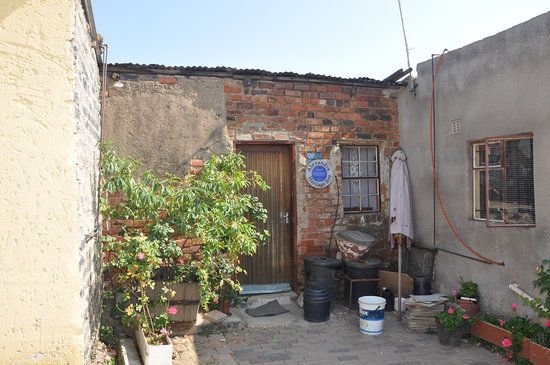
Nelson Mandela Yard marks the place where Mandela lived in a backyard room after arriving in Johannesburg in 1941.
His time in Alexandra exposed him to urban life and the realities facing Black South Africans under segregation.
The site provides a look at an earlier period in Mandela’s life, before his legal career and political leadership became internationally recognised.
For Gauteng residents, it is also a reminder that several ordinary neighbourhoods across the province played a role in the lives of South Africa’s liberation leaders.
Understand Apartheid at the Apartheid Museum
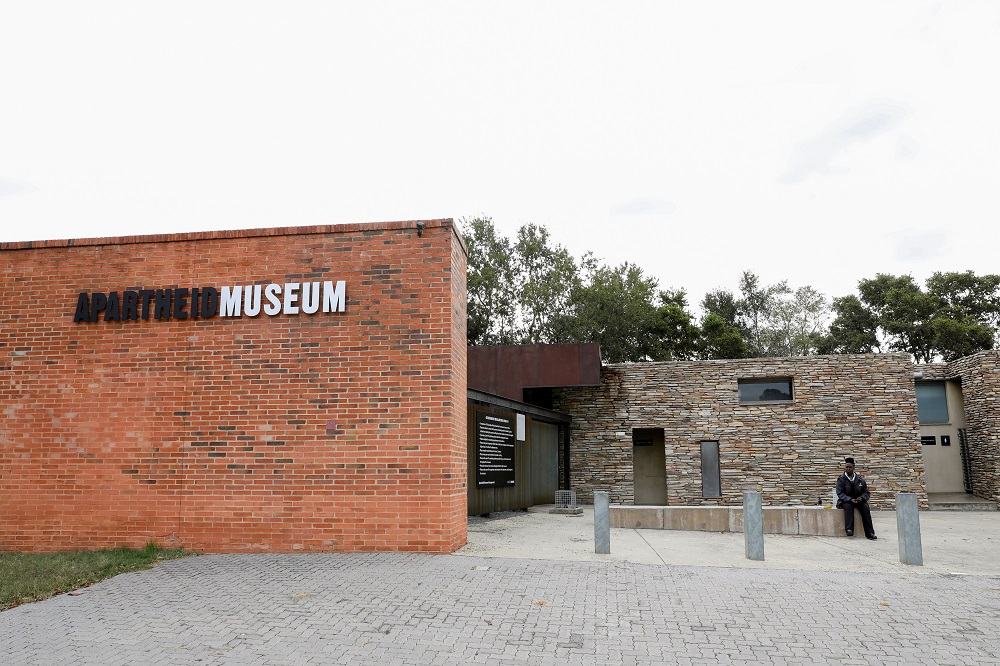
The Apartheid Museum in Johannesburg documents the rise and fall of apartheid through exhibitions, photographs, film footage and historical material.
Its exhibitions examine how racial segregation was enforced and how South Africans experienced apartheid in their daily lives.
The museum also traces the resistance to apartheid and the political developments that led to democratic negotiations.
Nelson Mandela’s story forms part of this wider history.
For visitors, the museum provides context for understanding the political system Mandela opposed and the significance of South Africa’s democratic transition.
It can be an important stop before or after visiting Mandela-specific heritage sites in Soweto and central Johannesburg.
Reflect on Democracy and Remembrance at Freedom Park
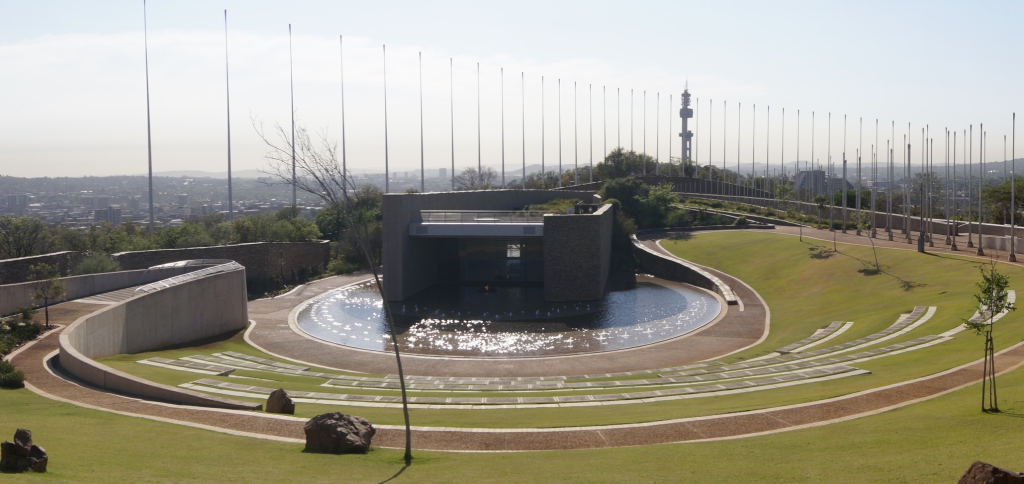
In Tshwane, Freedom Park provides a broader view of South Africa’s history, conflict, liberation and transition to democracy.
The memorial and museum complex focuses on remembrance, reconciliation and the people who contributed to South Africa’s freedom.
Its themes connect closely with the values of unity and nation building associated with Mandela’s presidency.
Visitors can explore South African history across different periods and reflect on the human cost of conflict and oppression.
Freedom Park also offers Gauteng residents an opportunity to extend a Mandela Month heritage journey beyond Johannesburg and Soweto.
Visit the Union Buildings in Tshwane
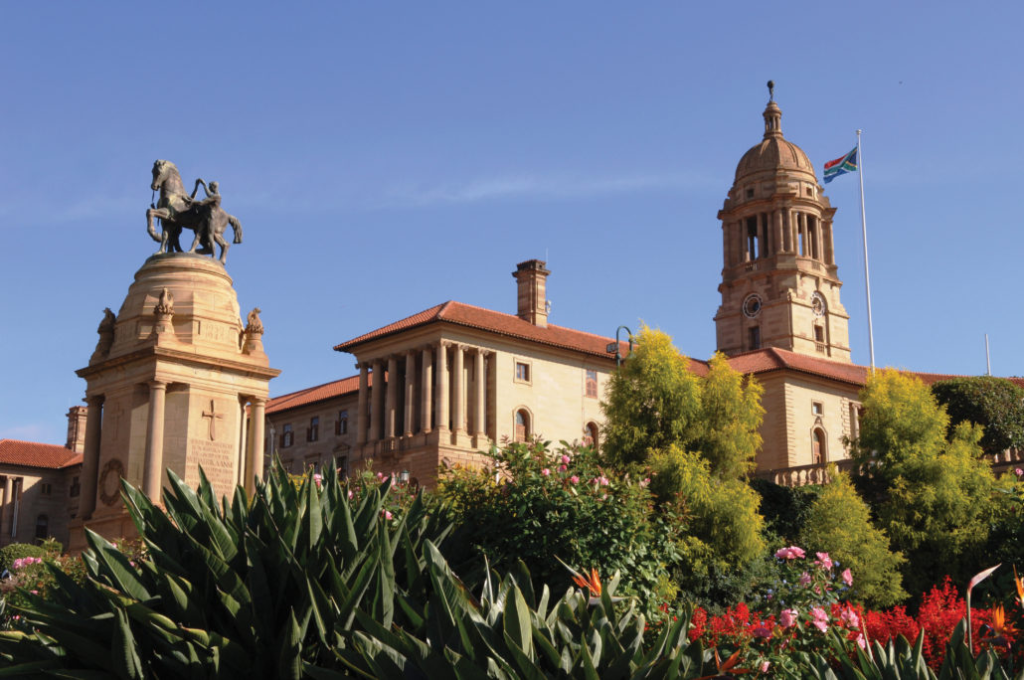
The Union Buildings form part of South Africa’s political history and provide another connection to Mandela’s legacy.
Mandela was inaugurated as South Africa’s first democratically elected president in Pretoria in May 1994.
The Union Buildings grounds are also home to a large statue of Nelson Mandela, unveiled following his death in 2013.
The statue depicts Mandela with his arms open and has become one of the most recognisable public memorials to the former president in Gauteng.
Visitors can explore the public grounds and reflect on Mandela’s transition from political prisoner to president.
See Madiba Remembered in Sandton
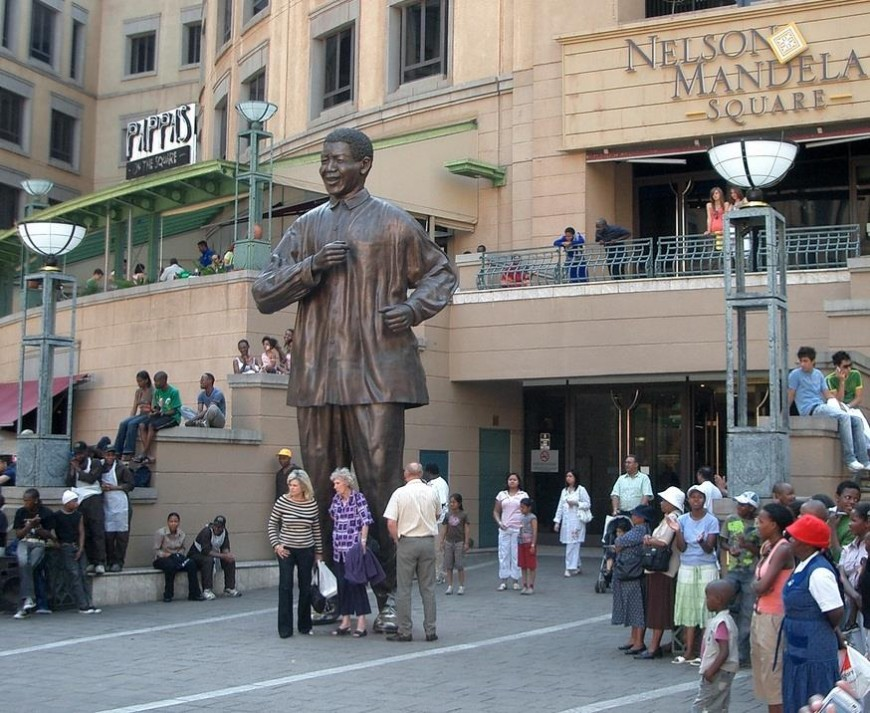
Nelson Mandela Square in Sandton offers a different type of public memorial.
The square features a six metre bronze statue of Mandela, which has become a prominent Johannesburg landmark.
Unlike the museums and former political sites on the heritage route, the square reflects how Mandela is remembered in contemporary public spaces.
It can be included as a shorter stop for visitors exploring Johannesburg and Sandton during Mandela Month.
The statue provides another visible reminder of Mandela’s place in South African history.
What This Means for Gauteng Residents
Nelson Mandela Month gives Gauteng residents an opportunity to explore local history without travelling outside the province.
Many of the places connected to Mandela’s life are located within Johannesburg, Soweto, Alexandra, Sandton and Tshwane.
Residents can plan a heritage route around different areas instead of attempting to visit every site in one day.
A Soweto visit could include Mandela House and the Hector Pieterson Memorial and Museum. Central Johannesburg visitors can explore Constitution Hill and Chancellor House, while a Tshwane heritage trip can include Freedom Park and the Union Buildings.
Families can also use the month to introduce younger visitors to South African history through museums, memorials and guided heritage experiences.
Visitors should confirm operating hours, entrance fees and tour availability directly with individual attractions before travelling.
Turn Mandela Month into a journey through Gauteng history
Nelson Mandela International Day encourages people to dedicate 67 minutes to making a difference, reflecting the 67 years Mandela devoted to public service and the struggle for social justice.
However, Mandela Month also provides an opportunity to learn more about the history behind his legacy.
Visiting heritage sites can help residents understand the places, communities and events that shaped Mandela’s journey.
From a backyard room in Alexandra to a home in Soweto, legal offices in Johannesburg and the site of his presidential inauguration in Tshwane, Gauteng holds several chapters of Madiba’s story.
FAQ
Which Nelson Mandela heritage sites can I visit in Gauteng?
Visitors can explore Mandela House in Soweto, Constitution Hill, Chancellor House, Nelson Mandela Yard in Alexandra, the Apartheid Museum, Freedom Park, the Union Buildings and Nelson Mandela Square.
Where is Nelson Mandela House?
Nelson Mandela House is located at 8115 Vilakazi Street in Orlando West, Soweto.
Was Nelson Mandela imprisoned at Constitution Hill?
Yes. Nelson Mandela was detained at the former prison complex. Constitution Hill documents the history of imprisonment at the site and is now home to the Constitutional Court.
What can families do during Nelson Mandela Month in Gauteng?
Families can visit museums, memorials and heritage sites connected to Mandela and South Africa’s struggle for democracy. Visitors should check age appropriate exhibitions and tour information before travelling.
When is Nelson Mandela International Day 2026?
Nelson Mandela International Day is observed annually on 18 July, Mandela’s birthday. In 2026, the international day falls on Saturday, 18 July.
This July, Gauteng residents can trace Nelson Mandela’s journey through the places where he lived, worked, was detained and is remembered.
The province’s heritage sites provide a direct link to Madiba’s life and the wider history of South Africa’s struggle for democracy. For residents planning meaningful activities during Nelson Mandela Month, exploring these landmarks offers a chance to learn more about the history that shaped Gauteng and the country.
