




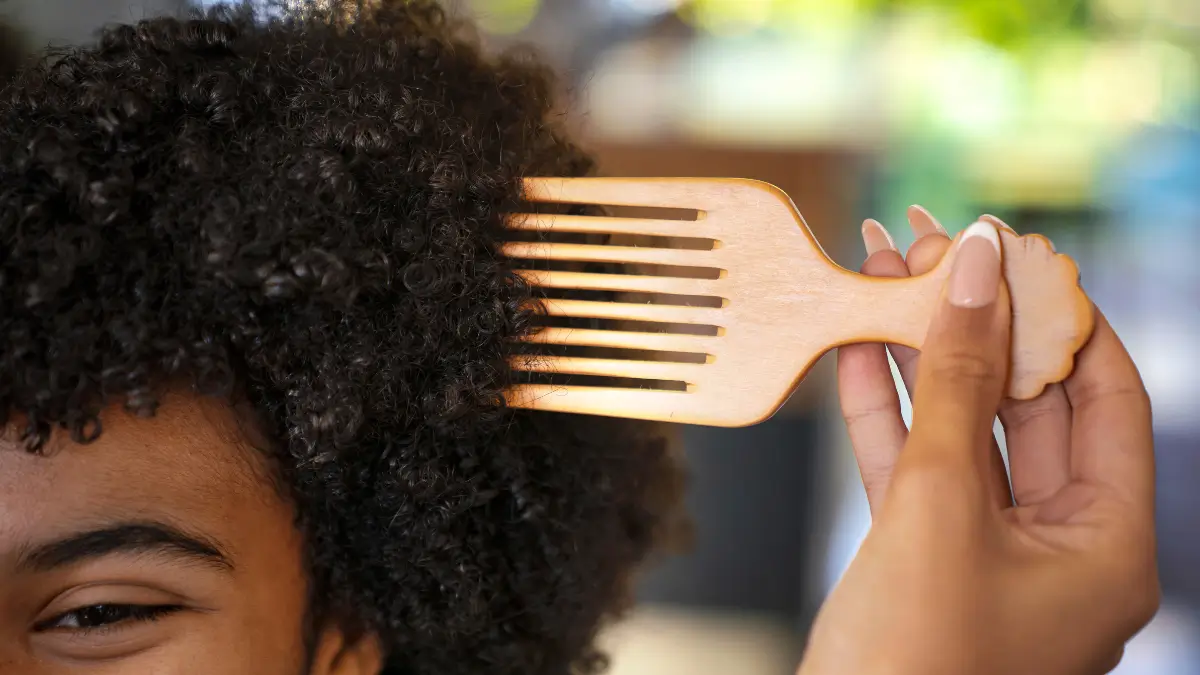
Gauteng’s cold, dry winter weather can leave hair feeling rough, brittle and harder to manage, particularly for people with coloured hair, natural curls, protective styles or visible grey strands. Low humidity, hot showers, indoor heating and frequent heat styling can all affect moisture levels in the hair and scalp.
While winter does not cause grey hair, it can make dryness, dullness and breakage more noticeable. Hair specialists say maintaining healthy hair during the season is less about finding a miracle product and more about protecting the scalp, reducing damage and choosing colour treatments that suit the hair’s current condition.
For people covering greys or refreshing their colour during winter, the focus should be on balancing cosmetic results with a routine that limits unnecessary chemical and heat exposure.
ALSO READ: Best Supplements for Women in Their 20s, 30s, 40s and Beyond
Why winter can affect hair condition
Hair is exposed to dry outdoor air in winter, followed by warm indoor environments, hot water and styling tools. These changes can strip moisture from the hair shaft and leave it more prone to tangling and breakage.
People may also wash their hair less often in winter or keep protective styles in for longer because cold weather makes wash days more difficult. While this can be convenient, scalp buildup, dryness and tension around the hairline can become a concern if hair is not cleaned and moisturised consistently.
Coloured hair may need additional care because chemical processing can change the hair’s texture and make it more vulnerable to dryness. Bleached hair, relaxed hair and hair that has been repeatedly coloured may require a gentler routine during the colder months.
Winter hair care does not need to be complicated. A routine should focus on cleansing the scalp, conditioning the lengths of the hair and reducing practices that cause repeated friction, pulling or heat damage.
Start with scalp health
Healthy-looking hair begins with the scalp. Product buildup, sweat, dry skin and irritation can all affect how hair feels and how easily it can be styled.
A regular wash routine should be based on hair type, lifestyle and scalp needs rather than a fixed rule. Someone who exercises often, wears heavy styling products or has an oily scalp may need to cleanse more regularly than someone with dry, tightly coiled hair.
When washing hair in winter, very hot water can leave both the scalp and hair feeling drier. Lukewarm water is generally less harsh, followed by conditioner to soften the hair and reduce friction during detangling.
People with persistent itching, flaking, painful bumps, redness or visible scalp irritation may need more than a moisturising product. These symptoms can be linked to dandruff, dermatitis, product reactions or other scalp conditions that should be assessed by a healthcare professional.
Keep moisture in the hair without overloading it
Dry hair often needs moisture, but applying too many oils, creams and styling products can create buildup rather than solve the problem.
A simple winter routine may include a moisturising conditioner, a leave-in product suited to the hair type and a sealing product where needed. For some people, this may be a lightweight oil or butter applied mainly to the lengths and ends rather than directly onto the scalp.
Hair that feels dry can also benefit from reducing heat exposure. Blow-drying, flat-ironing and curling tools can be used, but frequent high-heat styling without protection can weaken the hair shaft over time.
Using a heat-protectant product before heat styling can reduce damage. Allowing hair to air-dry partially before blow-drying can also limit the amount of direct heat needed.
For people with natural hair, protective styles such as braids, twists, wigs and cornrows can reduce daily manipulation. However, a style should not feel painful or overly tight, especially around the edges and nape.
Tight styles can place ongoing tension on the follicles and may contribute to traction alopecia, a type of hair loss caused by repeated pulling.
Grey hair is not caused by winter
Grey hair is mainly linked to a gradual decline in melanin production in the hair follicle. Melanin is the pigment responsible for natural hair colour.
As pigment-producing cells become less active, hair grows out grey, silver or white. Genetics is the main factor in when this process begins, which is why some people notice greys in their 20s while others retain their natural colour for much longer.
Winter weather does not cause grey hair. Stress may play a contributory role in some cases, but it is not the main explanation for why people go grey.
Another common myth is that plucking one grey hair will cause several more to grow. This is not true. Each follicle produces one strand at a time. However, repeatedly plucking hair can damage the follicle and may eventually affect regrowth in that area.
There is also no proven shampoo, oil or supplement that can reliably reverse grey hair. Supplements may only be useful where a person has a confirmed nutritional deficiency, such as low vitamin B12, iron or copper.
Dyeing grey hair during winter
Dyeing grey hair is a cosmetic choice, and there are several ways to approach it depending on the amount of grey, the desired finish and the condition of the hair.
Permanent colour is often used for fuller coverage. Demi-permanent colour can blend greys more softly and may be useful for people who do not want a strong regrowth line. Semi-permanent colour, glosses, highlights and lowlights can also help soften the contrast between grey strands and darker hair.
The best option depends on the hair’s previous chemical history. Hair that has been bleached, relaxed, repeatedly coloured or heat-damaged may not tolerate another intensive service without increased risk of breakage.
Before colouring, it is important to assess whether the hair feels weak, overly dry or elastic when wet. A professional stylist can help determine whether the hair is ready for colour or needs a conditioning and repair-focused treatment first.
A patch test is also important before using a new dye, particularly for people with sensitive skin, eczema, previous reactions or an irritated scalp.
People who colour their hair during winter may need to space out chemical services, use colour-safe cleansing products and limit unnecessary heat styling between appointments.
Normal shedding versus hair loss
Hair shedding is part of the normal growth cycle. It is common to lose around 50 to 100 strands a day without seeing a noticeable reduction in hair density.
Hair loss may be more concerning when there is a widening parting, bald patches, thinning around the temples, a receding hairline or noticeably reduced volume.
Stress, illness, hormonal changes, rapid weight changes, medication, nutritional deficiencies and major life events can trigger temporary shedding. This is often referred to as telogen effluvium and may improve after the underlying trigger settles.
However, persistent shedding, patchy loss, scalp pain or sudden thinning should not be treated as a normal winter concern. A doctor or dermatologist can help identify whether there is an underlying cause.
What This Means for Gauteng Residents
Winter hair care in Gauteng is largely about managing dryness and reducing damage rather than changing an entire routine.
Residents who colour their hair, wear protective styles or use heat tools may need to pay closer attention to moisture and breakage during the season. Grey hair itself is not a sign of unhealthy hair and does not need treatment unless someone chooses to colour or blend it.
For people who want to dye greys, winter can still be a suitable time for colour services, provided the hair and scalp are in good condition and the process is not combined with repeated bleaching, relaxing or high-heat styling.
The main concern is not whether hair is grey, natural or coloured, but whether it is showing signs of ongoing breakage, scalp irritation or hair loss.
FAQ: Winter hair care, greys and colour
Does winter cause grey hair?
No. Grey hair is mainly linked to genetics and reduced melanin production in the hair follicle.
Can I dye my hair if it is dry?
It may be possible, but dry or damaged hair may need conditioning or repair treatment before another chemical service.
Does plucking grey hair cause more greys?
No. Plucking does not cause more grey hairs to grow, but repeated plucking can damage the follicle.
How can I reduce breakage in winter?
Use conditioner, reduce excessive heat, avoid tight styles, protect hair from friction and trim damaged ends when needed.
When should I see a doctor about hair loss?
Seek medical advice if you have sudden shedding, bald patches, scalp pain, persistent itching, visible thinning or hair loss that continues for several months.
Hair health is not defined by whether it is grey or coloured. During Gauteng’s dry winter months, a consistent routine that supports moisture, scalp comfort and gentle styling can help reduce breakage and keep hair manageable until the season changes.
