




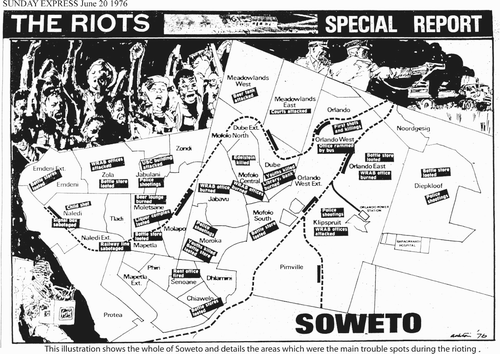
South Africa is marking 50 years since the June 16 Uprising, one of the defining moments in the country’s struggle for freedom. The anniversary is particularly significant in Soweto, where thousands of schoolchildren took to the streets on 16 June 1976 to protest against the apartheid government’s education policies.
Today, Soweto is home to some of South Africa’s most important heritage sites, museums, memorials, cultural spaces and community landmarks. Visitors from Gauteng and beyond continue to visit these places to learn about the past while experiencing the township’s vibrant present.
As Youth Month 2026 unfolds, these 50 iconic places offer a powerful journey through history, culture, faith, music, sport, entrepreneurship and everyday life.
ALSO READ: June 16 at 50: A Guide to Soweto’s Most Important Heritage Sites
The Heart of June 16: Places That Preserve the Memory of 1976
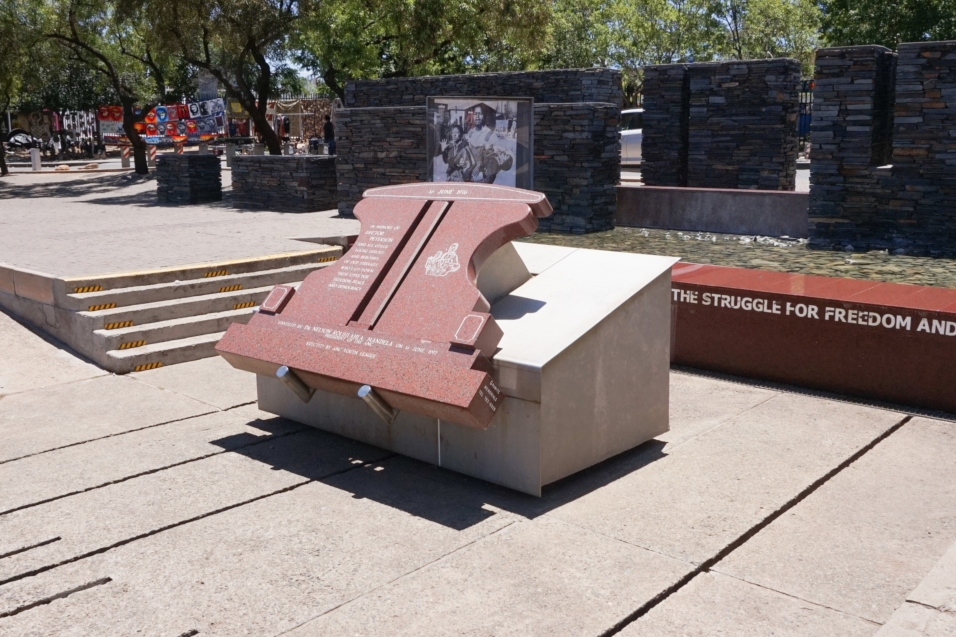
1. Hector Pieterson Memorial
The memorial honours the young victims of the June 16 Uprising and remains one of Soweto’s most visited heritage sites.
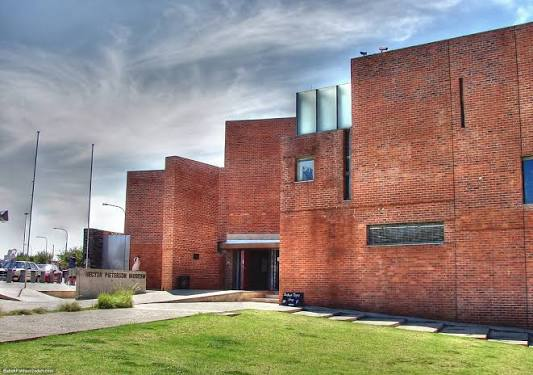
2. Hector Pieterson Museum
The museum documents the events of 1976 through photographs, testimonies and historical exhibits.
3. Moema Street
One of the key routes used by students during the uprising.
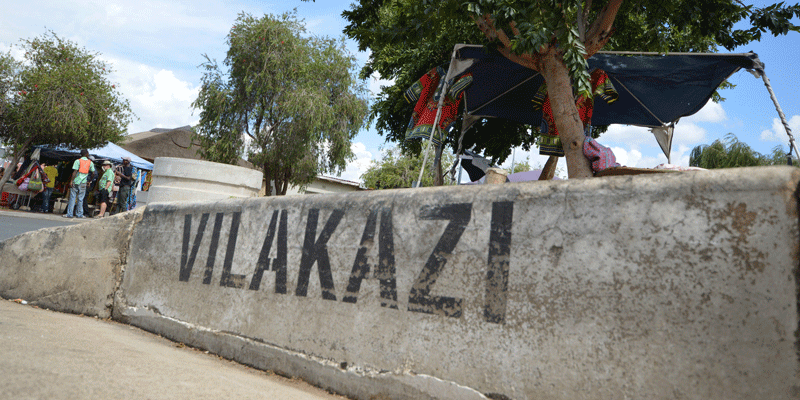
4. Vilakazi Street
The world famous street that became a focal point during the struggle era.
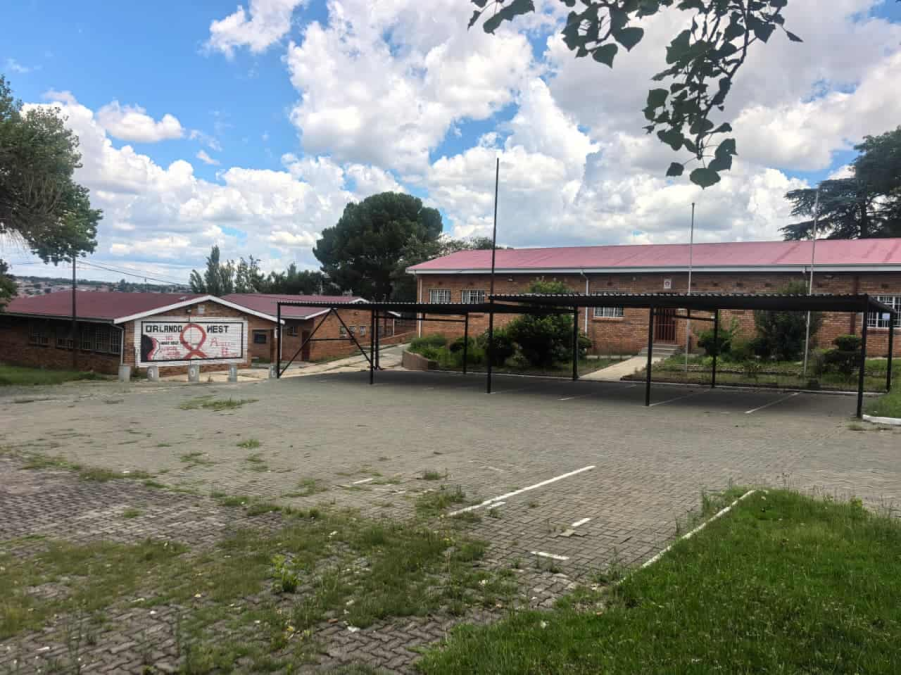
5. Orlando West High School Site
Closely linked to the student protests of 1976.
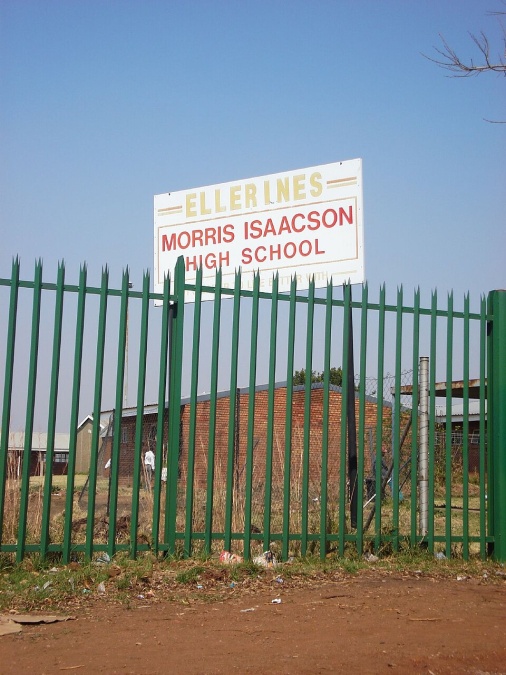
6. Morris Isaacson High School
One of the schools central to the student mobilisation efforts.
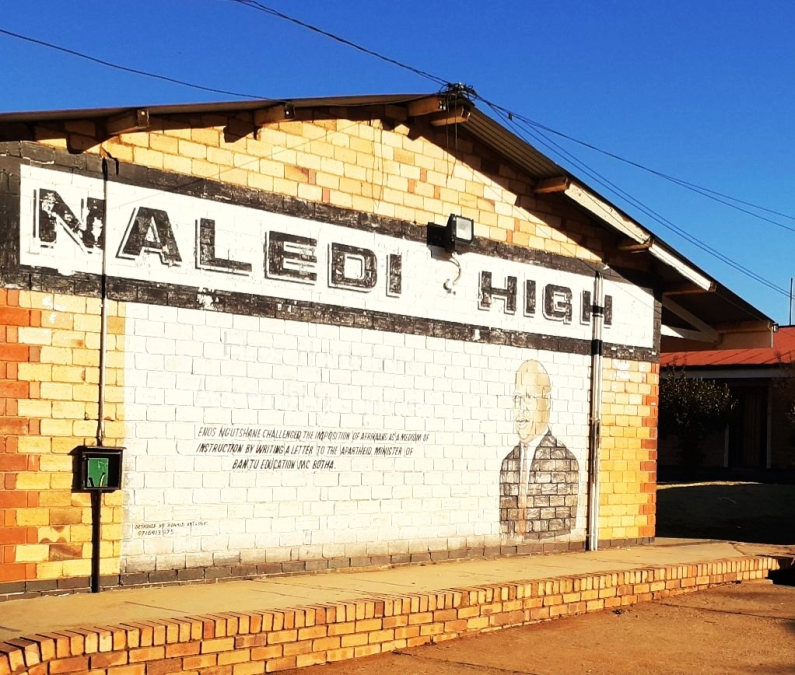
7. Naledi High School
A significant educational institution connected to the history of resistance.
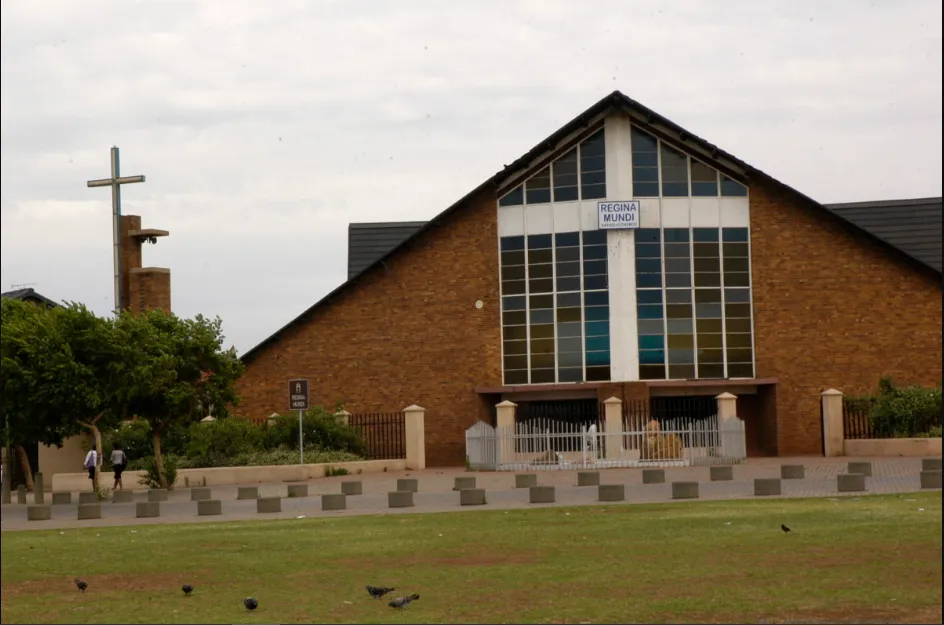
8. Regina Mundi Church
Known as the “People’s Church”, it served as a refuge and meeting place during the struggle years.
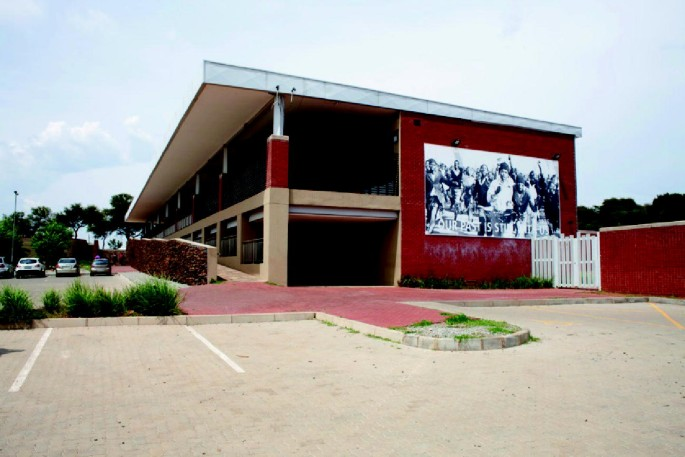
9. June 16 Interpretive Centre
Provides additional historical context on the uprising.
10. Orlando West Heritage Precinct
A collection of sites linked to the events that unfolded in June 1976.
Streets of Legends and Liberation
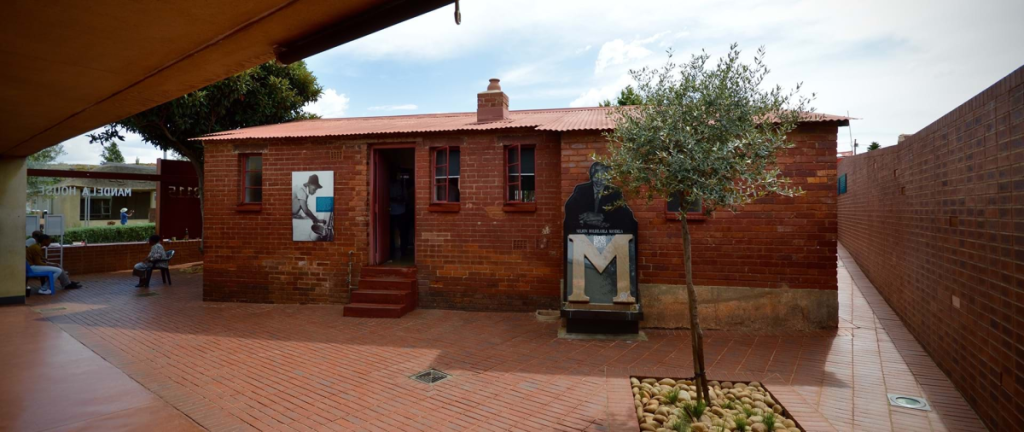
11. Nelson Mandela House
The former home of Nelson Mandela and one of South Africa’s most important heritage landmarks.
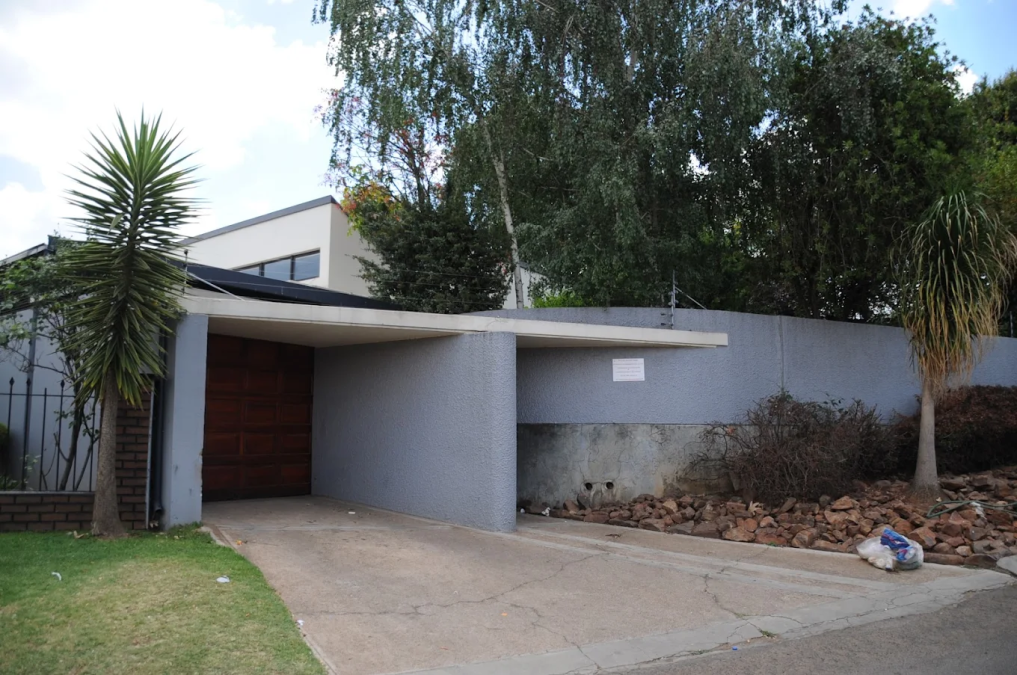
12. Archbishop Desmond Tutu House
Located on Vilakazi Street.
13. Vilakazi Street Heritage Corridor
A destination showcasing the lives of Nobel Peace Prize winners who once lived there.
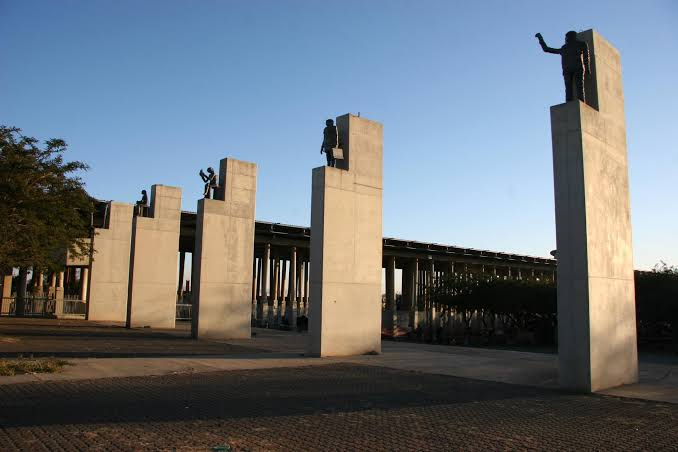
14. Walter Sisulu Square Connection Point
A key site connected to the Freedom Charter.
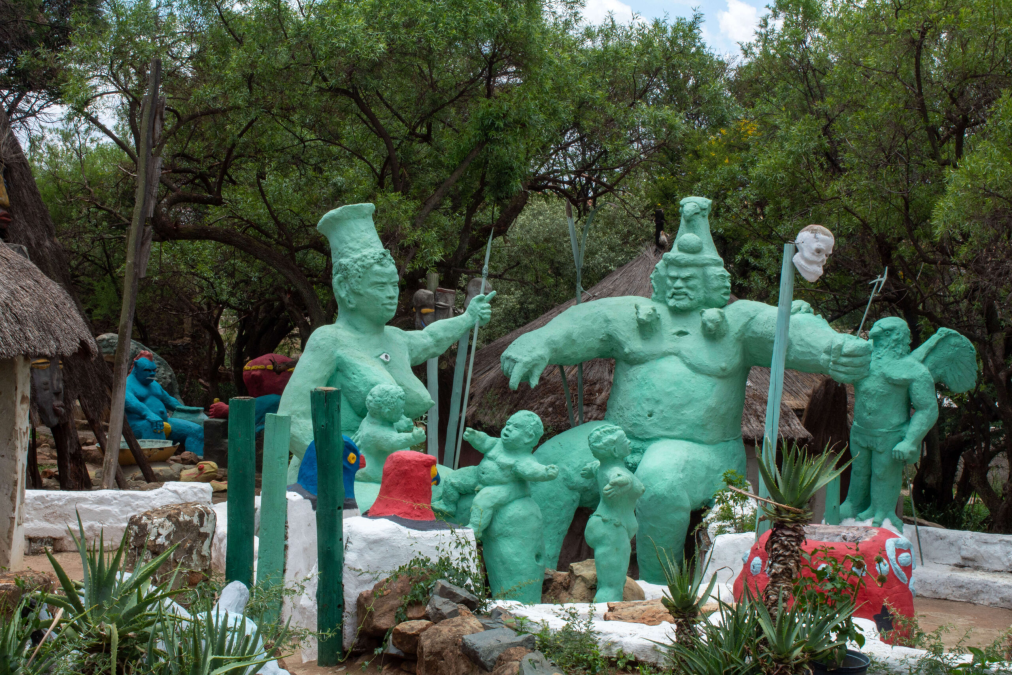
15. Credo Mutwa Cultural Village
A cultural and historical attraction celebrating African heritage.
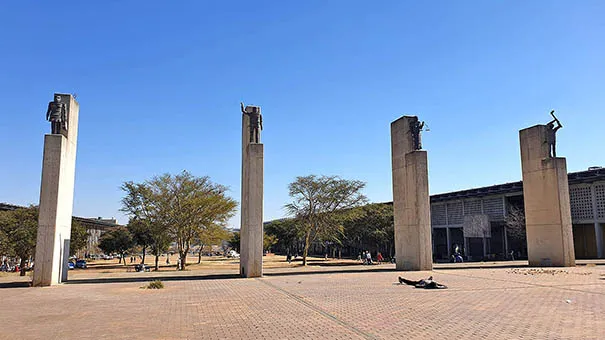
16. Sisulu Family Heritage Sites
Locations associated with the Sisulu family’s contribution to the liberation struggle.
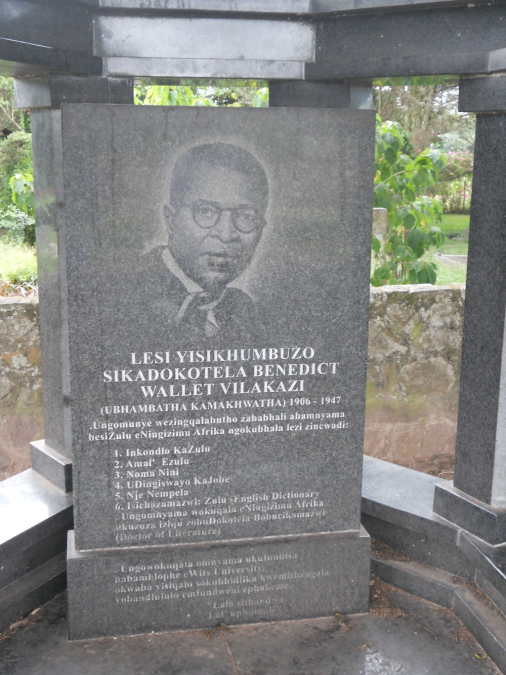
17. Dr Vilakazi Memorial Sites
Honouring one of South Africa’s leading intellectuals.
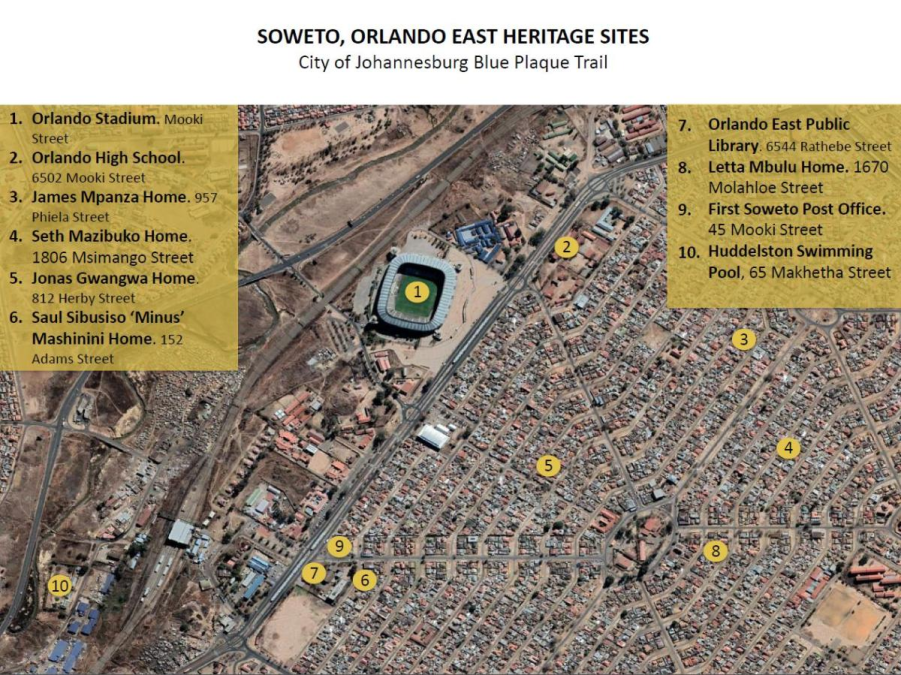
18. Orlando Community Heritage Sites
Important community landmarks linked to local history.
19. Chiawelo Community Heritage Trail
Offers insight into Soweto’s development.
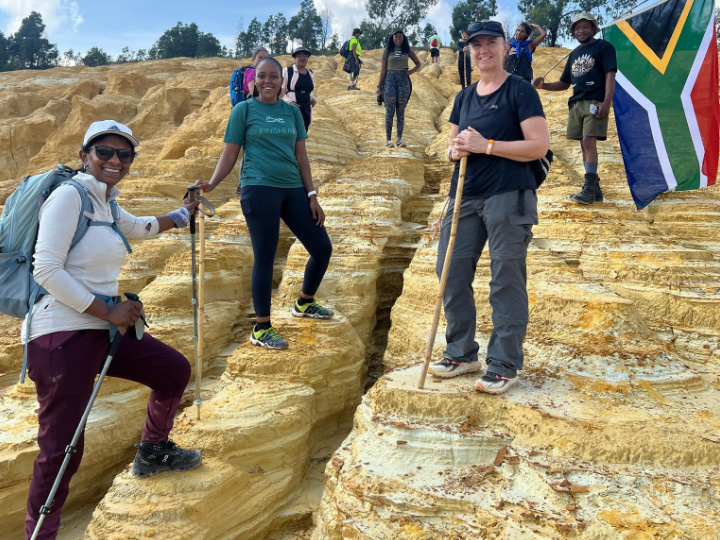
20. Freedom Heritage Route
Connecting several significant liberation landmarks.
Culture, Music and Creativity
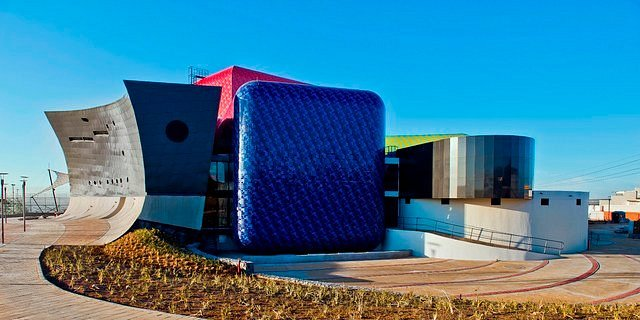
21. Soweto Theatre
One of Gauteng’s leading performing arts venues.
22. Eyethu Lifestyle Centre
A popular cultural and entertainment destination.

23. Native Rebels Restaurant
Known for celebrating local culture and cuisine.
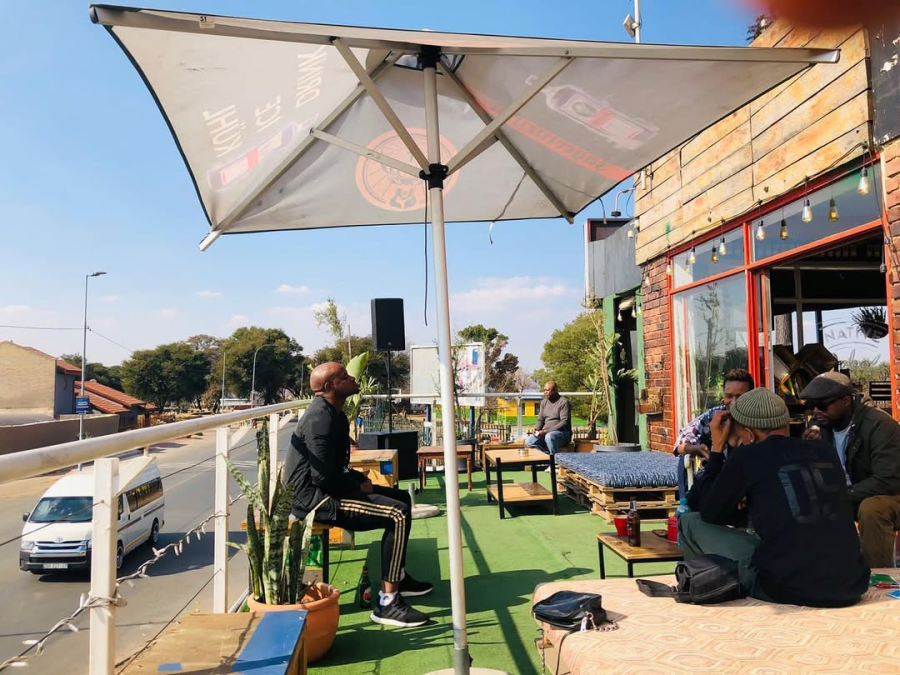
24. Ubuntu Kraal Brewery
A growing attraction showcasing local brewing traditions.

25. Soweto Art and Craft Market
Supporting local artists and entrepreneurs.

26. Kliptown Cultural Hub
An emerging centre for community creativity.
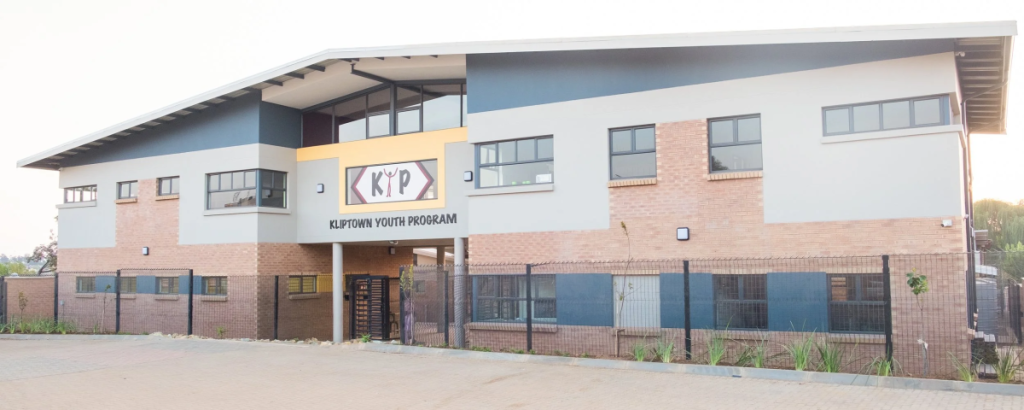
27. Soweto Creative Precincts
Home to artists, designers and performers.
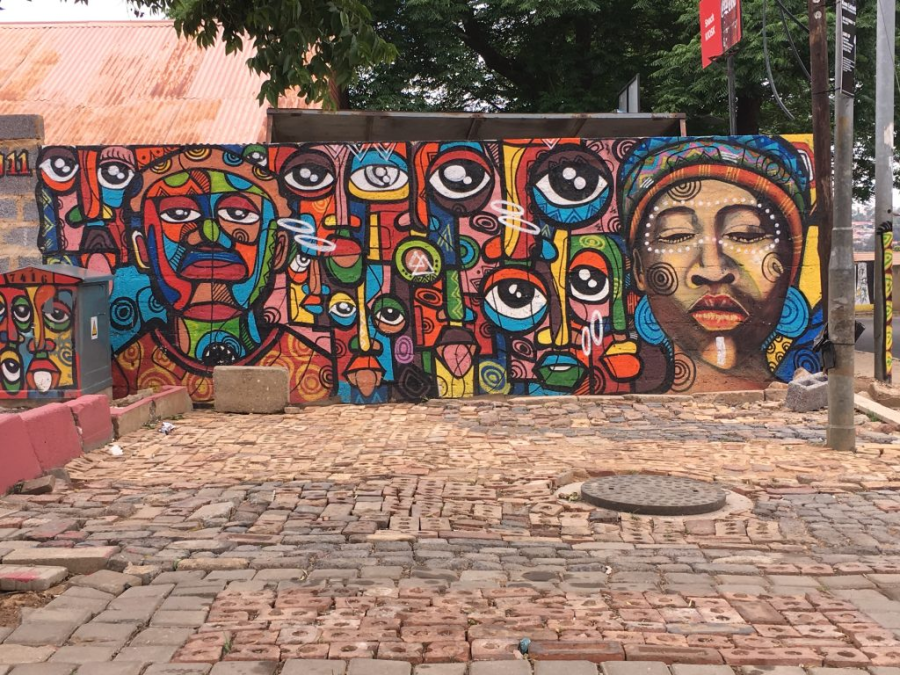
28. Local Street Art Routes
Murals and public artworks reflecting Soweto’s identity.
29. Kofifi Cultural Experiences
Celebrating local fashion, music and township culture.

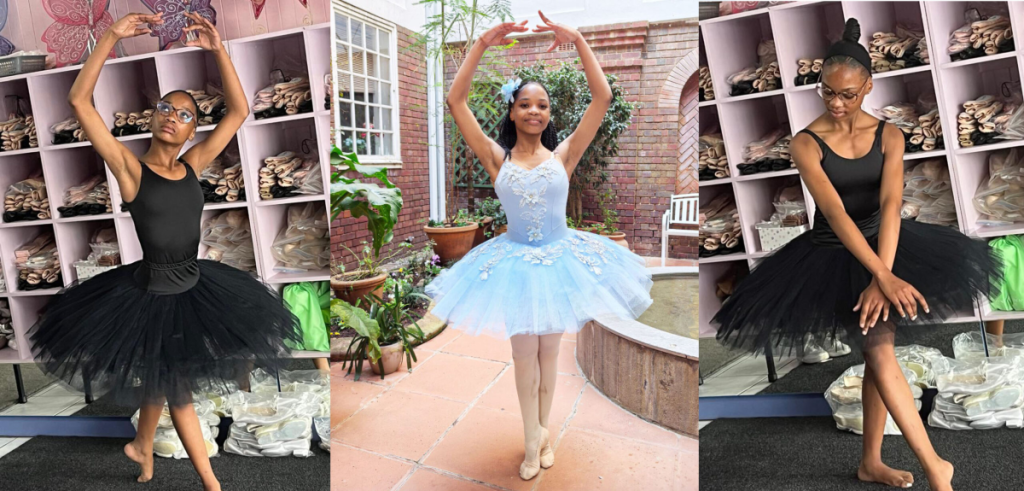
30. Youth Arts Initiatives
Spaces where the next generation of creatives are building careers.
Sport, Community and Shared Spaces
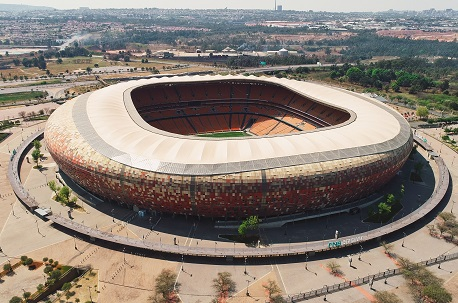
31. FNB Stadium
One of Africa’s most iconic sporting venues.
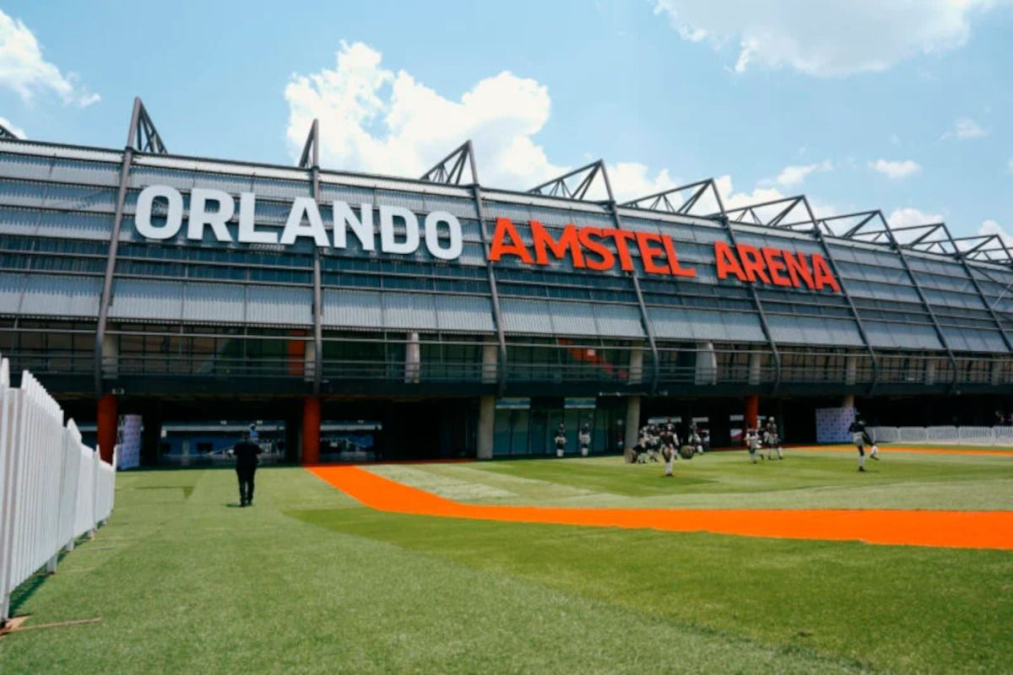
32. Orlando Stadium
A historic football venue in the heart of Soweto.
33. Orlando Pirates Heritage Sites
Celebrating one of South Africa’s most famous football clubs.

34. Community Sports Grounds
Spaces that continue to nurture young talent.

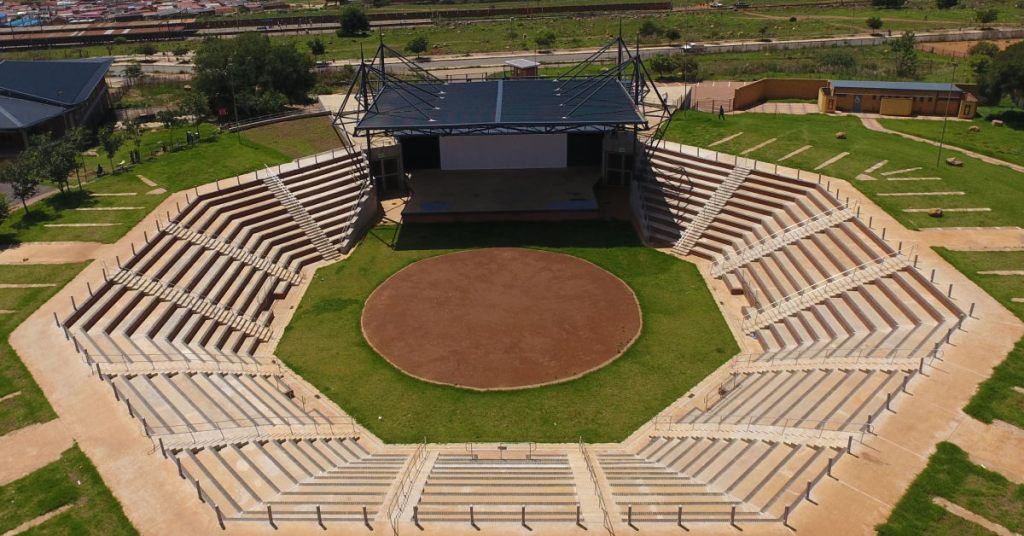
35. Jabulani Amphitheatre
A popular gathering space for community events.
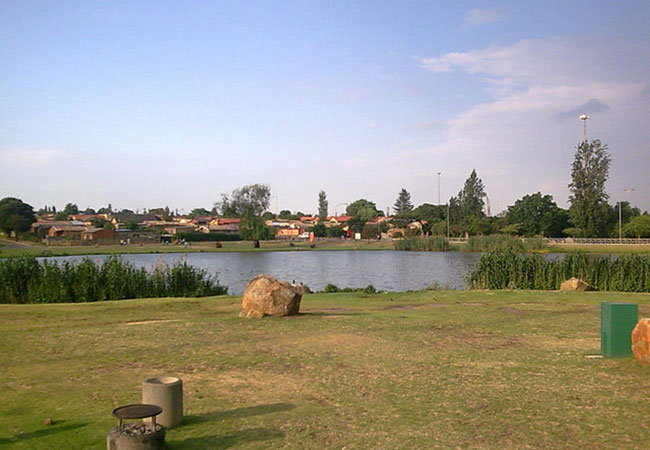
36. Thokoza Park
One of Soweto’s most loved public parks.
37. Jabulani Civic Centre
An important community landmark.
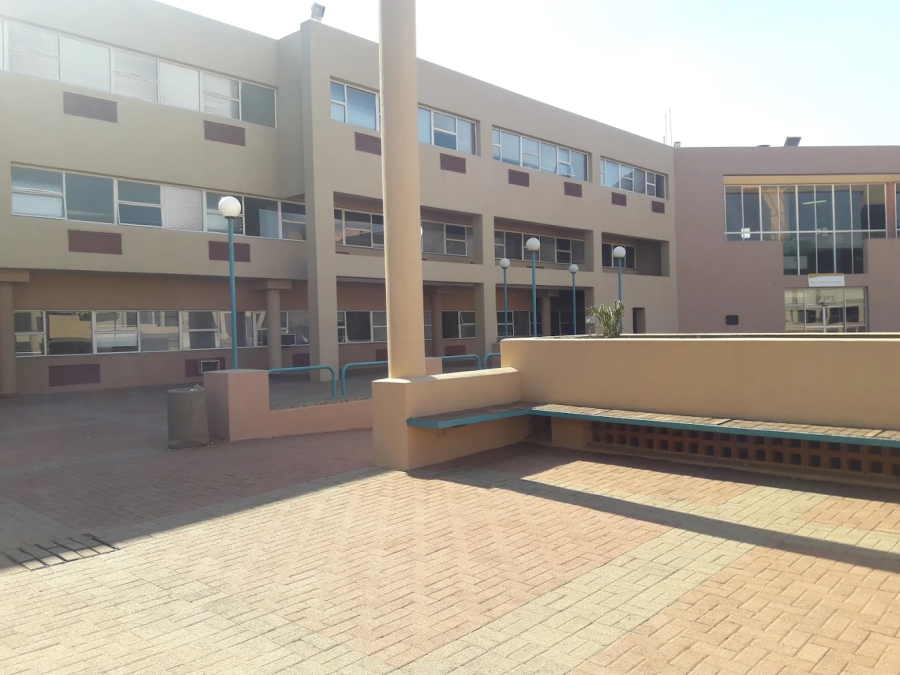
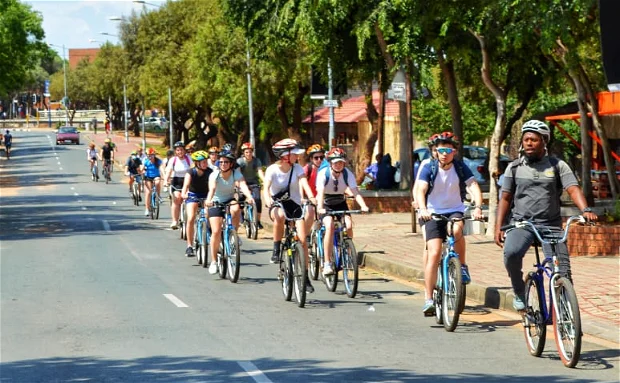
38. Soweto Bicycle Touring Routes
Offering a unique way to explore the township.
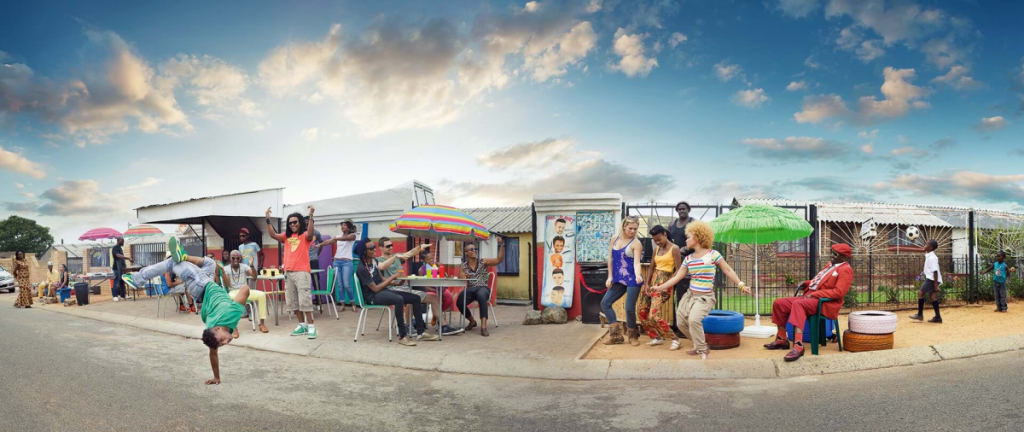
39. Community Recreation Spaces
Supporting youth development and community engagement.
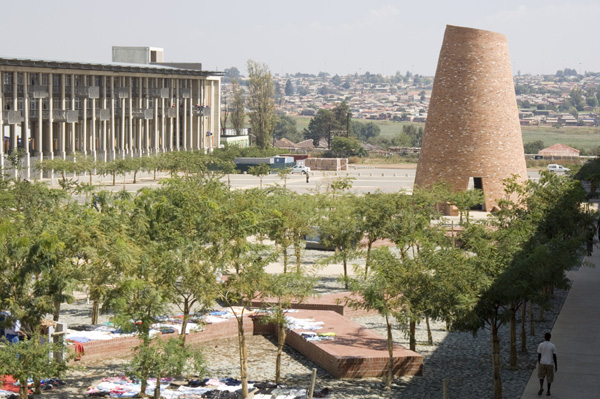
40. Soweto Public Squares
Gathering places that remain central to township life.
Food, Enterprise and the Future of Soweto
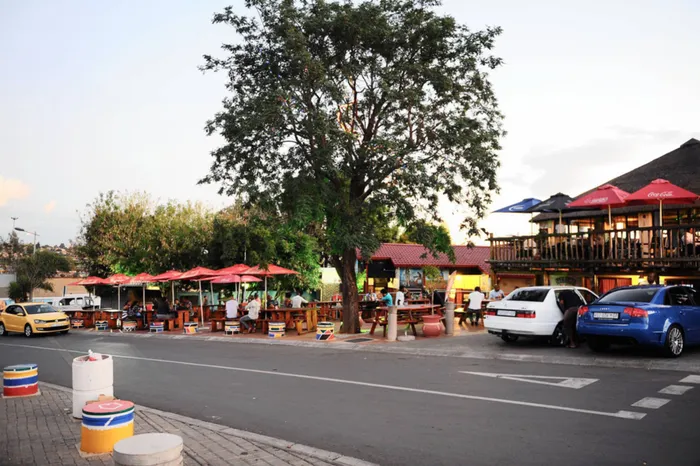
41. Vilakazi Street Restaurants
Showcasing Soweto’s growing culinary scene.
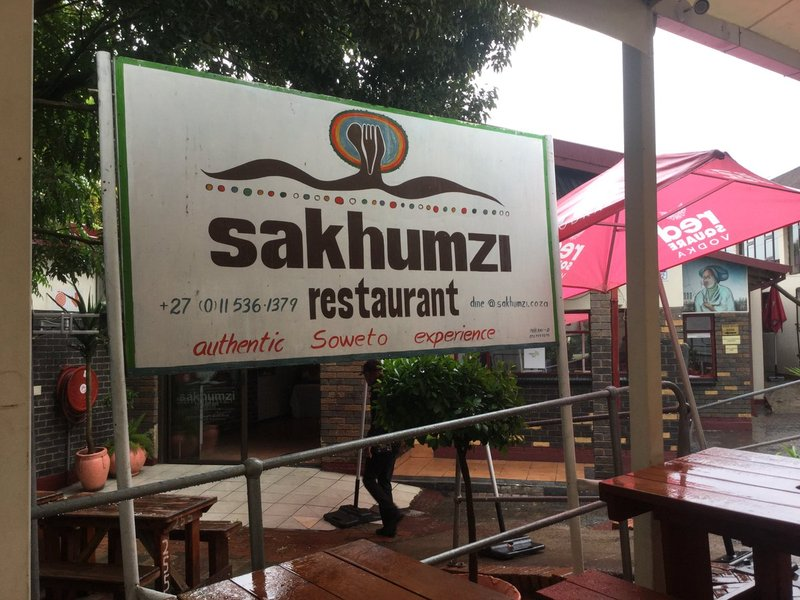
42. Sakhumzi Restaurant
One of the township’s most recognised dining destinations.
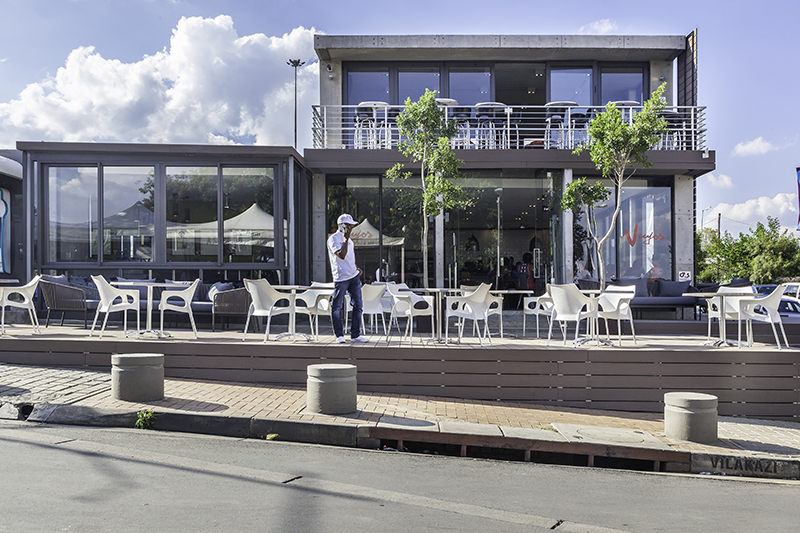
43. Vuyo’s Restaurant
A longstanding local favourite.
44. Chaf Pozi
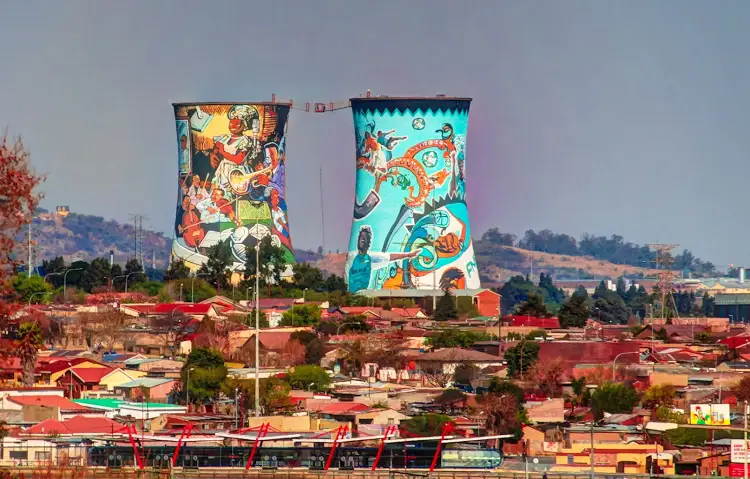
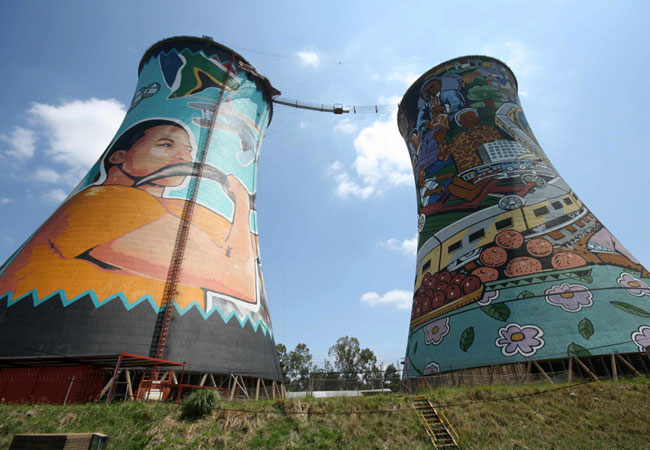
Located beneath the Orlando Towers.
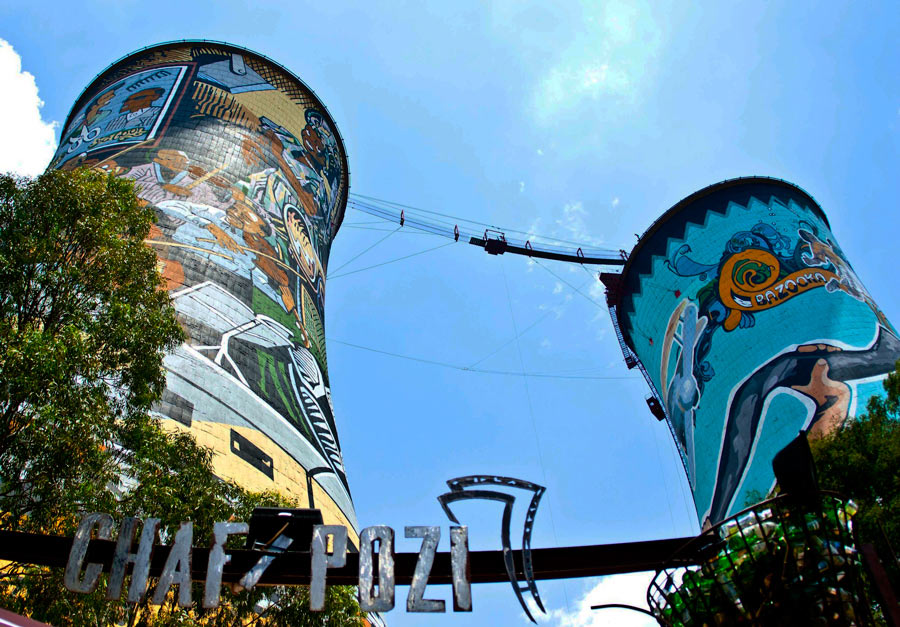
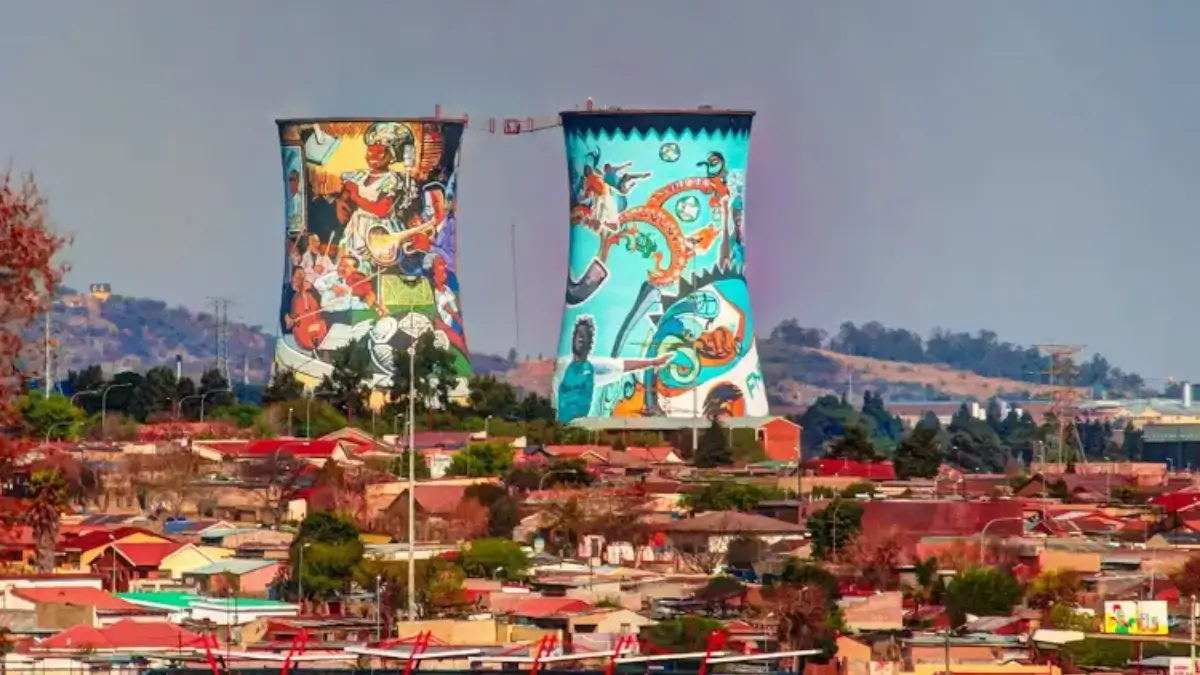
45. Orlando Towers
One of Soweto’s most recognisable landmarks.
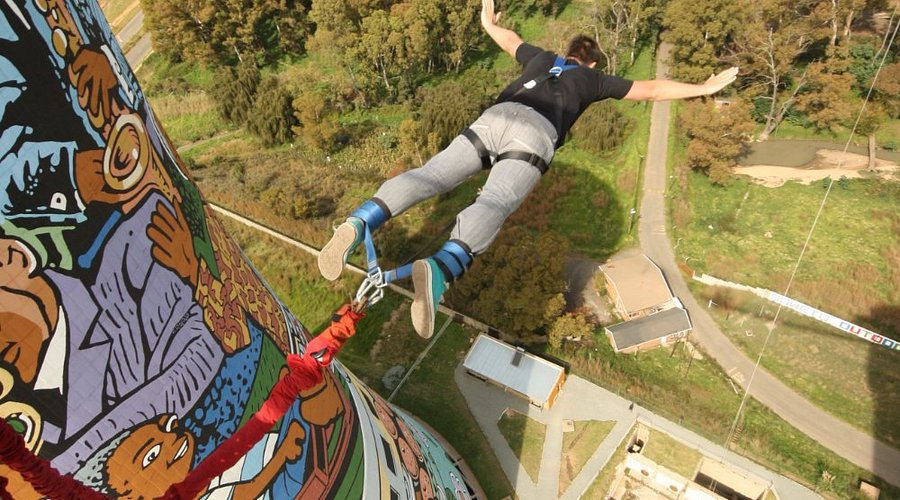
46. Soweto Towers Adventure Activities
Popular with thrill seekers and visitors.
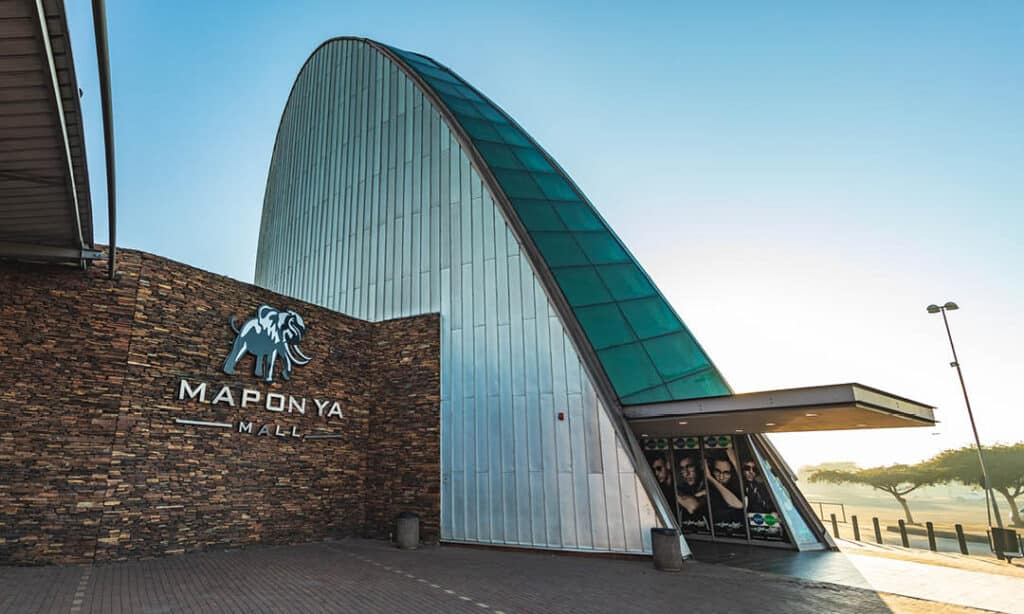
47. Maponya Mall
A symbol of local economic growth and entrepreneurship.
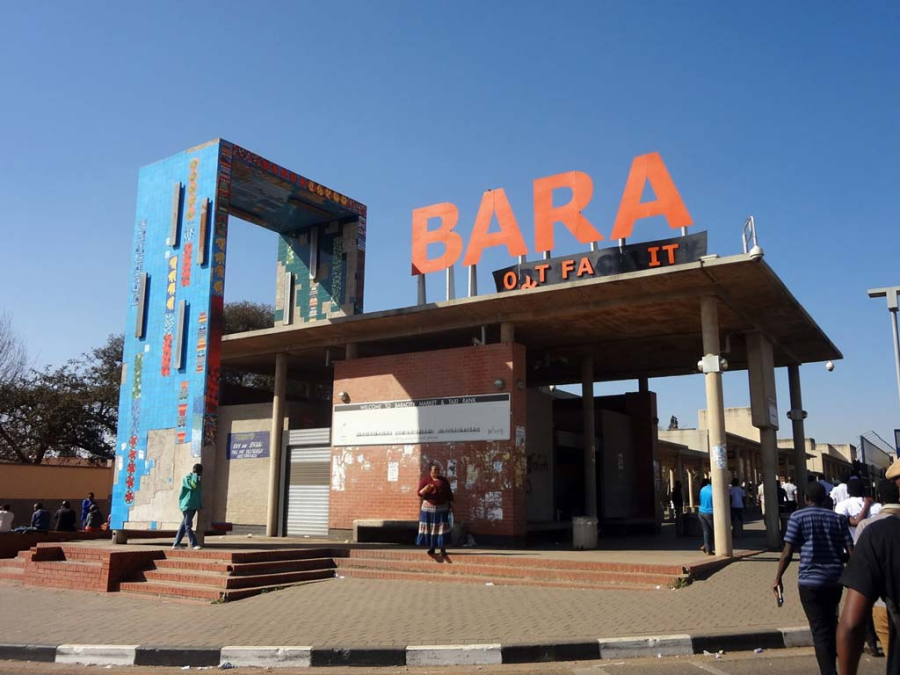
48. Bara Taxi Rank Economic Hub
Reflecting the scale of informal trade in Soweto.
49. Youth Owned Businesses Across Soweto
Representing the township’s entrepreneurial future.

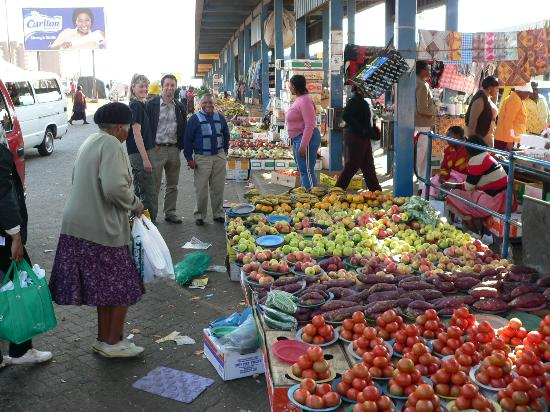
50. Local Township Markets
Supporting small businesses and community development.
Why Soweto Remains One of South Africa’s Most Important Destinations
Soweto’s significance extends beyond its role in the liberation struggle.
The township remains a living cultural centre where history, music, sport, entrepreneurship and community life intersect every day.
Visitors can move from world renowned heritage landmarks to thriving restaurants, creative spaces and community initiatives within a single afternoon.
This blend of past and present makes Soweto one of Gauteng’s most compelling destinations.
What This Means for Gauteng Residents
The 50th anniversary of the June 16 Uprising offers Gauteng residents an opportunity to reconnect with one of the province’s most important historical and cultural landscapes.
Exploring the township supports local tourism businesses, guides, restaurants, artists and entrepreneurs while helping preserve the stories of those who shaped South Africa’s democracy.
It also provides younger generations with an opportunity to engage directly with places that continue to influence the country’s future.
Frequently Asked Questions
Why is June 16 important in South African history?
June 16 commemorates the 1976 Soweto Uprising, when students protested against apartheid education policies.
What is the most visited heritage site in Soweto?
The Hector Pieterson Memorial and Museum are among the most visited heritage attractions.
Can visitors explore Soweto in a day?
Yes. Many visitors explore key sites such as Vilakazi Street, Mandela House, Hector Pieterson Memorial and Orlando Towers in a single day.
Is It suitable for guided tours?
Yes. Guided heritage tours are one of the most popular ways to experience Soweto.
Why is this particular township important to Gauteng tourism?
Soweto is one of South Africa’s most significant cultural and heritage destinations and attracts both domestic and international visitors.
Fifty Years Later, The Story Continues
Half a century after the June 16 Uprising, Soweto remains a place where history lives alongside progress. Its museums, memorials, churches, restaurants, stadiums and community spaces tell a story that stretches from resistance to renewal.
For Gauteng residents and visitors alike, exploring these 50 iconic places offers more than a history lesson. It provides an opportunity to understand how the courage of one generation helped shape the opportunities available to the next.
