




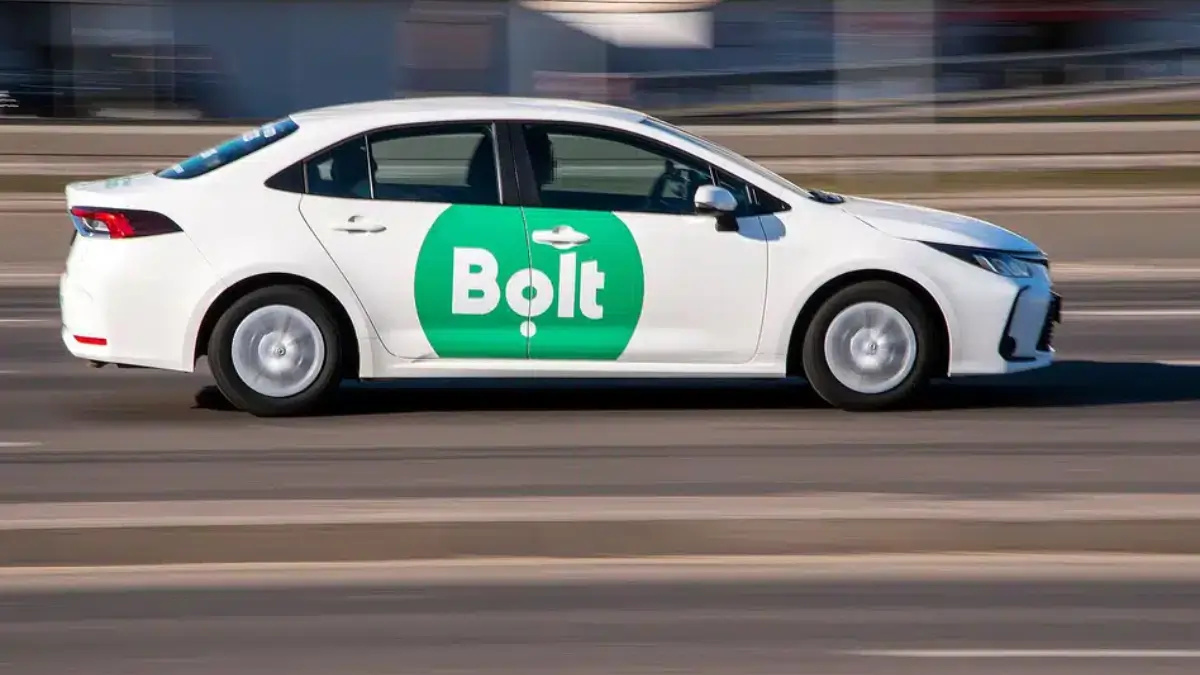
Transport costs in South Africa are increasing as fuel prices spike sharply in April 2026, with Bolt confirming temporary fare adjustments that will affect both drivers and passengers. The changes follow one of the steepest fuel hikes in recent months, with petrol and diesel prices rising significantly.
The increases matter for Gauteng residents because millions rely daily on ride-hailing and taxi services to commute to work, school and essential services. With both sectors signalling fare pressure, transport costs are expected to rise across the province in the coming weeks.
ALSO READ: Fuel and Energy Costs Surge in 2026: Paraffin Users Left Without Relief
Fuel Price Increase Drives Transport Cost Pressure Across South Africa
Fuel prices rose sharply at the start of April, driven largely by global oil market instability linked to the ongoing conflict in the Middle East.
Key increases include:
• 95 Unleaded petrol increased by R3.06 per litre
• Diesel (50ppm) increased by R7.51 per litre
Economists have warned that such increases typically ripple through the economy, pushing up transport costs, food prices and inflation.
For transport operators, fuel remains one of the largest operating costs, making fare adjustments almost unavoidable when prices spike at this scale.
Bolt Confirms Fare Adjustments for April 2026
Bolt South Africa has confirmed it will adjust fares in response to the rising cost of fuel.
According to the company’s senior operations manager, the adjustments are intended to help drivers manage higher operating expenses while maintaining service availability.
The company stated that:
• Fare increases will be temporary and reviewed regularly
• Pricing will remain responsive to fuel price movements
• Adjustments aim to keep driver earnings sustainable
Bolt also indicated that fares may decrease again if fuel prices stabilise or drop.
Impact on Riders: Higher Fares with Possible Discounts
Passengers are expected to see higher base fares on the platform, although Bolt says it will attempt to limit the impact through targeted interventions.
These include:
• Platform-funded discounts
• Rider incentives
• Promotional pricing where possible
According to the company, the goal is to maintain affordability while balancing the financial pressures faced by drivers.
However, commuters may still experience noticeable increases in trip costs, particularly during peak travel times.
READ MORE: Fuel Price Chaos in South Africa: Diesel Shortages Hit 200 Sites Ahead of April Price Hike
Taxi Industry Also Signals Possible Fare Increases
The pressure is not limited to ride-hailing services. The South African National Taxi Council has warned that taxi fares may also increase.
According to the organisation:
• Diesel price increases are placing significant strain on operators
• Taxi associations are reviewing operational costs and pricing
• Fare adjustments are being considered but not yet finalised
The taxi industry transports millions of South Africans daily, making any fare increase highly impactful, especially for lower-income households.
Industry representatives have indicated that any changes will be implemented cautiously, with associations expected to communicate directly with commuters.
Why Diesel Prices Are Hitting the Taxi Industry Harder
Unlike many private vehicles, minibus taxis primarily rely on diesel, which has seen a sharper increase than petrol.
This creates disproportionate pressure on taxi operators, who often operate on thin margins.
Key concerns raised by the industry include:
• Rising operating costs with limited room for profit
• Increased financial strain on drivers and owners
• Potential knock-on effects for commuters
While government introduced a fuel levy relief measure, industry leaders say it provides only short-term relief and does not offset the full impact of the increases.
Broader Economic Impact of Fuel Price Increases
Fuel price hikes tend to affect multiple sectors beyond transport.
Economists note that rising fuel costs can lead to:
• Increased food prices due to higher logistics costs
• Higher public transport fares
• Pressure on household budgets
• Rising inflation
For Gauteng, where daily commuting distances are often long, the impact is likely to be felt more immediately than in smaller provinces.
What This Means for Gauteng Residents
For Gauteng commuters, the combined effect of ride-hailing and taxi fare pressure could significantly increase daily transport expenses.
This means:
• Higher costs for daily commuting
• Increased reliance on alternative transport options
• Pressure on already strained household budgets
• Potential changes in travel patterns, including carpooling or reduced travel
The province’s heavy dependence on road-based transport makes it particularly vulnerable to fuel-driven price shocks.
FAQ: Fuel Price Hikes and Transport Costs in 2026
Why are Bolt fares increasing in 2026
Bolt is increasing fares due to rising fuel prices, which directly affect driver operating costs.
Are the fare increases permanent
No. Bolt has indicated that the adjustments are temporary and will be reviewed based on fuel price trends.
Will taxi fares also increase
Taxi associations are currently reviewing costs and may implement fare increases, but no final decision has been announced nationally.
How much have fuel prices increased
Petrol increased by R3.06 per litre, while diesel rose by R7.51 per litre in April 2026.
Why does diesel affect taxis more
Most taxis use diesel, which has experienced a larger price increase, placing greater financial pressure on operators.
What Happens Next
Transport operators and industry bodies are expected to continue monitoring fuel price trends over the coming weeks.
Further fare adjustments may be introduced if fuel prices remain high or increase further. At the same time, government and industry stakeholders are likely to continue discussions on possible relief measures.
For Gauteng residents, the coming weeks will determine whether the current increases stabilise or lead to broader, longer-term changes in transport pricing across the province.
