




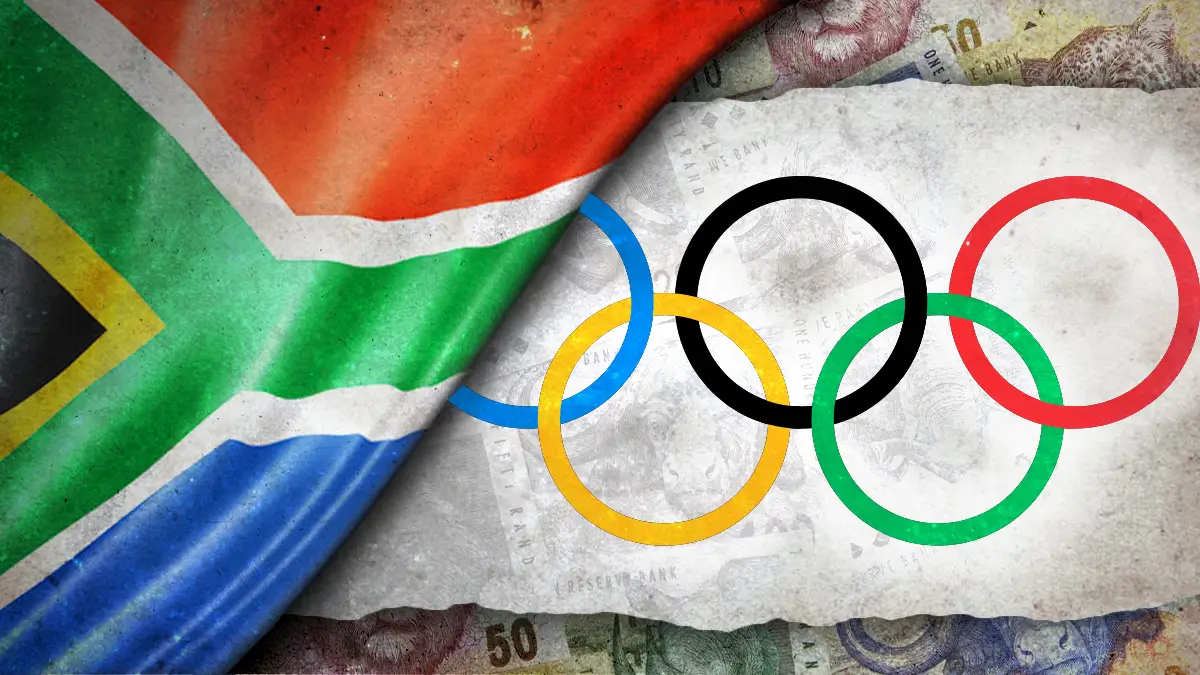
South Africa is among seven countries that have expressed interest in hosting the 2036 Summer Olympic Games, according to a list released by the International Olympic Committee (IOC) on 6 October 2026. The country joins India, Qatar, Germany, Hungary, Turkey and South Korea in the early stages of a selection process that will see interested nations assessed on funding, political backing and public support. The announcement places South Africa in contention to host its first Olympic Games, although no host has been selected and the financial implications remain an important consideration.
South Africa Enters the Race for the 2036 Olympics
South Africa’s interest in hosting the 2036 Olympics marks another potential milestone in the country’s history of staging major international sporting events.
The country previously hosted the 1995 Rugby World Cup and the 2010 FIFA World Cup, demonstrating its experience in welcoming international teams, spectators and sporting organisations.
However, South Africa has never hosted the Olympic Games.
The IOC’s announcement confirms that South Africa is among the countries interested in hosting the event. It does not mean the country has secured hosting rights or that a final hosting proposal has been approved.
The process remains at an early stage, with other countries still able to express interest before the October 2026 deadline.
Which Countries Want to Host the Olympics?
The IOC has identified seven countries currently interested in hosting the Summer Olympics.
These are:
- South Africa
- India
- Qatar
- Germany
- Hungary
- Turkey
- South Korea
The countries enter the process with different levels of experience in hosting major international sporting competitions.
India has expressed an ambition to stage its first Olympic Games, with Ahmedabad identified as the centre of its plans.
Ahmedabad is also scheduled to host the 2030 Commonwealth Games, providing the city with an opportunity to stage another major international sporting event before 2036.
Germany has taken a step towards identifying its preferred host city, with its National Olympic Committee selecting Munich as its candidate.
Turkey is also pursuing another opportunity after Istanbul finished second to Tokyo in the competition to host the 2020 Summer Olympics.
Qatar previously hosted the 2022 FIFA World Cup. The country’s climate presents a scheduling consideration because the traditional Olympic period falls during the Gulf region’s hottest months.
How Will the Olympic Host Be Selected?
The International Olympic Committee has outlined the next stages of the selection process.
Countries that have not yet expressed interest have until 31 October 2026 to do so.
In March 2027, the IOC Executive Board is expected to establish a shortlist of interested parties. Those selected will then enter discussions with the Olympic organisation.
The IOC has identified funding, political support and public backing among the factors that will influence its assessment of potential hosts.
These considerations mean that countries must demonstrate more than an interest in staging the Games.
Their proposals will need to address the resources and support required to deliver an international sporting event of this scale.
IOC President Kirsty Coventry has also emphasised the importance of athletes in the hosting process.
In a statement accompanying the announcement, Coventry said that the experience of athletes should remain central to decisions about future Olympic hosts.
For South Africa, the next stage will determine whether its interest develops into a more formal hosting proposal.
Can South Africa Afford to Host the Olympics?
The financial implications of hosting the Olympic Games are an important part of the discussion surrounding South Africa’s interest.
The IOC has specifically identified funding as one of the factors that will be considered when evaluating potential host countries.
Hosting the Games would require a detailed financial plan covering the responsibilities associated with organising an international sporting competition.
At this stage, the supplied IOC announcement does not provide a proposed South African hosting budget, identify a host city or explain how the country would finance the event.
It is therefore too early to establish what hosting the 2036 Olympics would cost South Africa.
Although concerns about affordability have emerged in discussions about a possible bid, no verified cost estimate or financial commitment is included in the announcement.
The distinction is significant because expressing interest in hosting the Olympics is not the same as committing public funds to the event.
Any future proposal would need to be assessed against the financial requirements outlined by the IOC.
South Africa’s Experience Hosting Major Sporting Events
South Africa’s previous experience hosting international tournaments forms an important part of the context surrounding its Olympic ambitions.
The 1995 Rugby World Cup and 2010 FIFA World Cup remain two major events in the country’s sporting history.
Both brought international sporting competitions to South Africa, although the Olympic Games would represent a different hosting challenge.
Unlike a tournament focused on one sport, the Summer Olympics brings together athletes competing across numerous disciplines.
The IOC has made clear that the quality of the athlete experience will be a central consideration when assessing potential hosts.
South Africa’s history of staging major sporting events provides relevant experience, but it does not guarantee that the country will progress through the Olympic selection process.
The IOC will assess interested parties against its stated requirements before determining which proposals should advance.
What This Means for Gauteng Residents
For Gauteng residents, South Africa’s interest in the Olympics raises questions about possible hosting arrangements, public expenditure and the province’s potential involvement.
Gauteng was among the provinces that hosted matches during the 2010 FIFA World Cup, giving it a connection to South Africa’s experience of staging major international sporting events.
However, the current Olympic announcement does not identify Johannesburg, Pretoria or any other South African city as a proposed venue.
It also does not confirm whether Gauteng would host competitions, provide accommodation or participate in any future Olympic infrastructure plans.
Residents should therefore distinguish between South Africa’s national expression of interest and any confirmed provincial hosting arrangements.
Funding will be particularly important to monitor as the selection process develops.
Because the IOC intends to consider financial capacity and public support, any future South African proposal would need to explain its funding arrangements and demonstrate the backing required to proceed.
For now, there are no confirmed Gauteng projects, budgets or venue allocations associated with the 2036 Olympic interest.
Frequently Asked Questions
Has South Africa been selected to host?
No. South Africa is one of seven countries that have expressed interest in hosting the Games. The International Olympic Committee has not announced a host for 2036.
Which countries are competing to host the Olympics?
The countries currently listed are South Africa, India, Qatar, Germany, Hungary, Turkey and South Korea. Other countries may still declare interest before 31 October 2026.
When will the IOC shortlist potential hosts?
The IOC Executive Board is expected to draw up a shortlist in March 2027. Shortlisted interested parties will then enter discussions with the Olympic organisation.
Has South Africa hosted the Olympics before?
No. South Africa has previously hosted the 1995 Rugby World Cup and the 2010 FIFA World Cup, but it has never hosted the Summer Olympic Games.
Will Johannesburg or Pretoria host Olympic events?
No South African host city or Gauteng venue has been confirmed in the supplied announcement. The country’s interest does not yet establish where any Olympic competitions would take place.
What Happens Next for South Africa’s Olympic Ambitions?
The immediate milestone is 31 October 2026, when the period for additional countries to express interest closes.
Attention will then turn to March 2027, when the IOC Executive Board is expected to identify the interested parties that will proceed to the next stage of discussions.
For South Africa, the central questions concern funding, public and political support, and whether the country can meet the IOC’s expectations for hosting the Games.
The next Summer Olympics will take place in Los Angeles in 2028, followed by Brisbane in 2032.
South Africa’s place on the 2036 interest list is an early development rather than a hosting decision. The coming selection stages will provide a clearer indication of whether the country can turn that interest into a viable Olympic proposal.
