




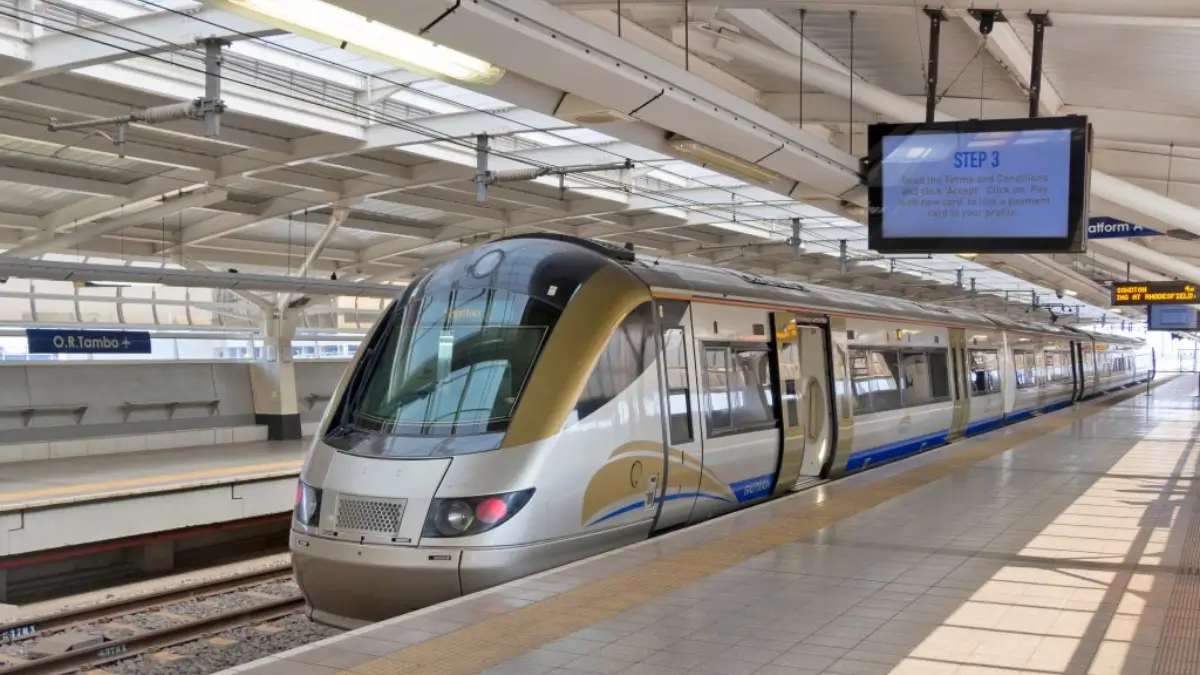
The Gauteng government has moved forward with a major expansion of the Gautrain rail network, with newly proposed routes now officially gazetted. The R120 billion project is expected to create more than 125,000 construction jobs over five years while extending rail access to areas such as Soweto, Mamelodi, Atteridgeville, Lanseria, and Springs.
The announcement matters for Gauteng residents because it signals one of the largest transport infrastructure investments in the province, with direct implications for commuting, job creation, and long-term economic development. Officials say the expansion aims to improve connectivity between underserved communities and key economic hubs.
ALSO READ: Fuel Price Chaos in South Africa: Diesel Shortages Hit 200 Sites Ahead of April Price Hike
Gautrain Expansion Plan Gazetted as Government Advances Next Phase
The expansion follows the formal gazetting of proposed routes, marking a key regulatory step in the project’s rollout.
This development comes shortly after the provincial government confirmed that the original Gautrain system has been fully paid off, concluding the nearly two-decade public-private partnership that funded its construction at a cost of about R26 billion.
According to the Gauteng Department of Roads and Transport and the Gautrain Management Agency, the rail system will continue operating under a public-private partnership model.
Officials said the process of appointing a new private operator is at an advanced stage, with the selected partner expected to operate, maintain and upgrade the system for the next 15 years.
New Gautrain Routes to Connect Soweto, Lanseria and Key Growth Areas
The expansion will introduce several new corridors aimed at improving transport coverage across Gauteng.
According to Gauteng Premier Panyaza Lesufi, the new routes will connect:
• Soweto via Fourways
• Mamelodi
• Atteridgeville
• Lanseria
• Springs
The project includes both underground and above-ground rail infrastructure designed to integrate with existing Gautrain lines.
Soweto Corridor: Underground Rail Linking Roodepoort and Jabulani
One of the most significant additions is a proposed underground route linking Little Falls, Roodepoort and Jabulani in Soweto.
Key features of the route include:
• Approximately 20km of largely underground rail
• Underground stations at Roodepoort and Jabulani
• Above-ground station buildings for accessibility
• Routing designed to avoid dolomite and mined areas
The corridor is expected to improve connectivity between western Johannesburg and Soweto, which has historically had limited access to rapid rail systems.
Lanseria Route: Linking Cosmo City to the Airport
Another major corridor will connect Cosmo City to Lanseria Airport, passing through areas identified for future development.
According to planning details, the route will:
• Extend approximately 17.4km
• Include elevated sections spanning around 7km
• Pass through Cradle Station and a proposed Smart City node
• Cross major roads including the R114, N14 and R552
This corridor is expected to support both commuter traffic and airport access, while aligning with broader plans for urban development in the Lanseria region.
Fourways and Midrand Corridor to Strengthen Economic Links
A third key route will connect Cosmo City to Samrand through Fourways, Sunninghill and Midrand.
Project details indicate:
• A 30.4km corridor combining underground and above-ground sections
• Underground stations at Fourways, Sunninghill and Olivenhoutbosch
• Integration with major transport routes including the N1, R55 and R101
This route is expected to strengthen links between residential areas and major business districts, including Midrand and Waterfall.
Job Creation and Economic Impact of the R120 Billion Investment
The Gauteng government estimates that the expansion will create more than 125,000 jobs during the construction phase.
According to Premier Lesufi, these jobs will be generated over a five-year period and will include opportunities across:
• Construction and engineering
• Infrastructure development
• Project management
• Supporting industries and services
The scale of investment positions the project as one of the province’s largest infrastructure initiatives, with potential long-term economic benefits.
Continued Public-Private Partnership Model for Gautrain Operations
Despite the expansion, the Gautrain will continue to operate under a public-private partnership structure.
Officials said a new concession agreement is being finalised to ensure:
• Continued system operation
• Maintenance and refurbishment
• Modernisation and upgrades
The new agreement is expected to run for 15 years, replacing the original concession model that supported the system’s launch.
What This Means for Gauteng Residents
The expansion of the Gautrain network has several implications for residents across the province.
These include:
• Improved access to public transport in previously underserved areas
• Reduced reliance on road-based commuting
• Potential easing of traffic congestion on major routes
• Increased economic activity in areas connected by new stations
• Job creation opportunities linked to construction and infrastructure
The inclusion of areas such as Soweto and Mamelodi reflects a broader shift toward expanding transport equity across Gauteng.
Gautrain Expansion 2026 FAQ
What is the value of the Gautrain expansion project
The expansion is valued at approximately R120 billion.
How many jobs will the project create
The project is expected to create more than 125,000 jobs during construction.
Which areas will be connected by the new routes
The expansion will include connections to Soweto, Lanseria, Mamelodi, Atteridgeville and Springs.
Will the Gautrain still operate under a public-private partnership
Yes. The system will continue under a PPP model with a new operator expected to be appointed.
When will construction begin
While routes have been gazetted, timelines for construction are expected to be confirmed in subsequent project phases.
What Happens Next
With the gazetting process complete, the project is expected to move into planning, procurement and early implementation phases.
Government departments and the Gautrain Management Agency are likely to release further details on timelines, environmental approvals and contractor appointments in the coming months.
As negotiations for a new operating partner continue, the expansion is set to shape Gauteng’s transport network over the next decade, with long-term implications for mobility, economic growth and urban development.
