




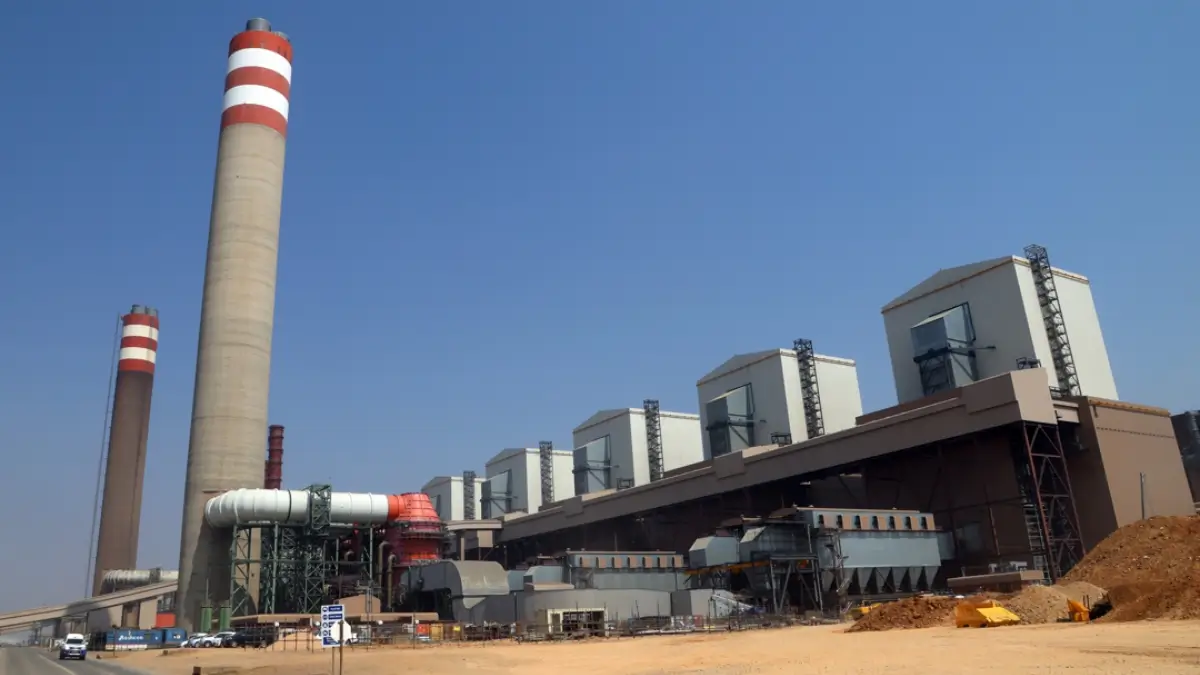
Parliament’s Portfolio Committee on Electricity and Energy has welcomed Eskom’s revised water management plan for Kusile Power Station in Mpumalanga following an August 2026 Supreme Court of Appeal judgment ordering action over water pollution and environmental non-compliance. Committee members visited the power station on Saturday, 21 November 2026, to assess the utility’s response and receive an update from senior management. The revised plan focuses on identifying pollution sources, strengthening water quality monitoring and introducing corrective measures to improve downstream water conditions.
The parliamentary oversight visit comes as Eskom faces continued scrutiny over environmental compliance at one of South Africa’s major electricity generation facilities.
Although the committee acknowledged progress, it emphasised that submitting corrective action plans must be followed by implementation and compliance with the required deadlines.
ALSO READ: South African Airways and FlySafair Among World’s Best Airlines for 2027
Parliament Welcomes Eskom’s Response to Court Ruling
The Portfolio Committee on Electricity and Energy visited Kusile to assess how Eskom was responding to the Supreme Court of Appeal’s August 2026 judgment.
The ruling directed Eskom and relevant state regulators to address pollution and environmental compliance failures at the power station.
During the visit, Eskom management presented updated water management measures intended to address the issues identified through the legal process.
Committee chairperson Zamakhanyase Khanyase welcomed the submission of the revised plans, describing it as progress towards meeting the court’s requirements.
“We welcome compliance with the court orders, which was our primary focus during today’s visit,” Khanyase said.
She also acknowledged the filing of action plans but made it clear that parliamentary oversight would continue.
The committee’s response reflects the distinction between submitting a plan and demonstrating that the required environmental improvements have been achieved.
What Eskom’s Revised Water Management Plan Covers
According to the information presented to Parliament, Eskom’s revised water management plan examines existing and potential sources of pollution associated with Kusile Power Station.
The plan also strengthens water quality monitoring to improve the utility’s ability to identify and respond to environmental concerns.
Management outlined several areas covered by the revised approach, including assessments of pollution sources, findings from audits and corrective measures intended to improve water quality downstream.
The inclusion of audit findings is intended to help identify weaknesses in existing environmental management processes and areas requiring improvement.
The committee was also briefed on revised monitoring procedures and improved technologies that Eskom intends to use.
Khanyase welcomed these developments, saying the committee was encouraged by the scope of the information provided.
“The committee welcomes the revised water monitoring programme and the improved technologies outlined to us,” she said.
However, the information presented does not establish that downstream water quality has already improved.
The effectiveness of the revised measures will depend on their implementation and the results of continued monitoring.
Why Water Quality Monitoring Matters at Kusile
Water quality monitoring is an important part of environmental compliance at electricity generation facilities.
At Kusile, the revised programme is intended to improve oversight of current and possible pollution sources and support corrective action where problems are identified.
The focus on downstream water conditions is particularly significant because pollution concerns can extend beyond the immediate boundaries of an industrial site.
The parliamentary briefing identified improved downstream water quality as one of the objectives of Eskom’s corrective measures.
However, the information released from the visit did not provide specific water quality readings, pollution concentrations or a detailed assessment of the affected downstream areas.
It also did not specify which monitoring technologies would be introduced or provide a public breakdown of their expected performance.
These details remain important when assessing whether the revised plan produces measurable environmental improvements.
Parliament Warns Against Waiting for Court Intervention
Beyond the technical aspects of the water management plan, the committee raised concerns about the circumstances that led to judicial intervention.
Khanyase said environmental compliance should not depend on a court ruling before corrective measures are introduced.
She warned that positive work at the power station should not be overshadowed by failures to address environmental obligations.
According to the committee chairperson, the situation demonstrates the importance of taking corrective action before matters reach the courts.
Her comments place attention on Eskom’s responsibility to maintain environmental compliance as part of its normal operations.
The committee also indicated that it would monitor progress against the deadlines associated with the corrective plans.
This means parliamentary scrutiny will extend beyond the documents submitted by Eskom to the steps taken to implement them.
The source information does not provide the individual implementation deadlines or specify when the committee will conduct its next assessment.
Kusile’s Air Quality and Emissions Compliance Also Reviewed
Although water pollution was the primary focus of the oversight visit, the committee also considered Kusile’s efforts to reduce emissions.
Members acknowledged work undertaken at the power station to improve emissions performance.
They nevertheless urged Eskom to continue strengthening air quality management and maintaining compliance with environmental requirements.
Water management and air emissions are separate environmental responsibilities, but both form part of the broader compliance obligations associated with electricity generation.
The committee’s comments indicate that improvements in one area should not replace continued attention to other environmental concerns.
No specific emissions figures or new air quality targets were provided in the information released about the visit.
What This Means for Gauteng Residents
Kusile Power Station is located in Mpumalanga, but the parliamentary oversight process is relevant to electricity consumers across South Africa, including Gauteng.
The station forms part of Eskom’s electricity generation operations, making its management and regulatory compliance matters of national interest.
For Gauteng residents, the developments highlight the importance of ensuring that electricity infrastructure operates within environmental requirements while continuing to fulfil its generation responsibilities.
The court ruling and parliamentary response also demonstrate the role of public institutions in holding state-owned entities accountable for environmental obligations.
However, the revised water management plan should not be interpreted as an announcement about electricity tariffs, load shedding or changes to power supply.
The committee’s visit focused on environmental compliance, water quality management and Eskom’s response to the court judgment.
Parliament Also Reviews Hendrina and Arnot Power Stations
The committee’s oversight activities continued on Sunday, 22 November 2026, with visits to Hendrina and Arnot power stations.
These engagements focused on the stations’ possible decommissioning and the implications for affected workers and communities.
Committee members emphasised that any closure process should follow the principles of South Africa’s Just Energy Transition framework.
This includes considering programmes intended to support employees and communities that could be affected by changes to electricity generation operations.
The visits formed part of the committee’s broader examination of Eskom’s operational and environmental responsibilities.
The information provided did not confirm final closure decisions or specific decommissioning dates for either station.
Frequently Asked Questions
Why Was Eskom Ordered to Address Pollution at Kusile?
The Supreme Court of Appeal issued a judgment in August 2026 directing Eskom and relevant state regulators to address water pollution and environmental non-compliance at Kusile Power Station.
What Does Eskom’s Revised Water Management Plan Include?
The plan covers assessments of existing and potential pollution sources, stronger water quality monitoring, audit findings and corrective measures intended to improve downstream water conditions.
Has the Water Pollution Problem at Kusile Been Resolved?
The committee welcomed Eskom’s revised plans, but the information provided does not confirm that the pollution problems have been fully resolved. Implementation and continued monitoring remain necessary.
Will Parliament Continue Monitoring Eskom?
Yes. The Portfolio Committee on Electricity and Energy indicated that it would monitor the implementation of the revised plans and Eskom’s compliance with the required deadlines.
Does the Kusile Court Ruling Affect Load Shedding?
The information released about the parliamentary visit does not indicate any direct changes to load shedding or electricity supply. The oversight engagement focused on environmental compliance.
What Happens Next at Kusile Power Station?
Eskom’s next responsibility is to implement the corrective measures outlined in its revised water management plan and meet the applicable compliance deadlines.
Parliament has indicated that it will continue monitoring progress to determine whether the utility follows through on its commitments.
The committee has also called for continued improvements in emissions compliance and air quality management.
For now, the revised plan represents a documented response to the Supreme Court of Appeal judgment rather than confirmation that the environmental concerns have been resolved.
The next measure of progress will be whether Eskom can demonstrate that its corrective actions are being implemented and that water quality monitoring supports meaningful improvements.
