




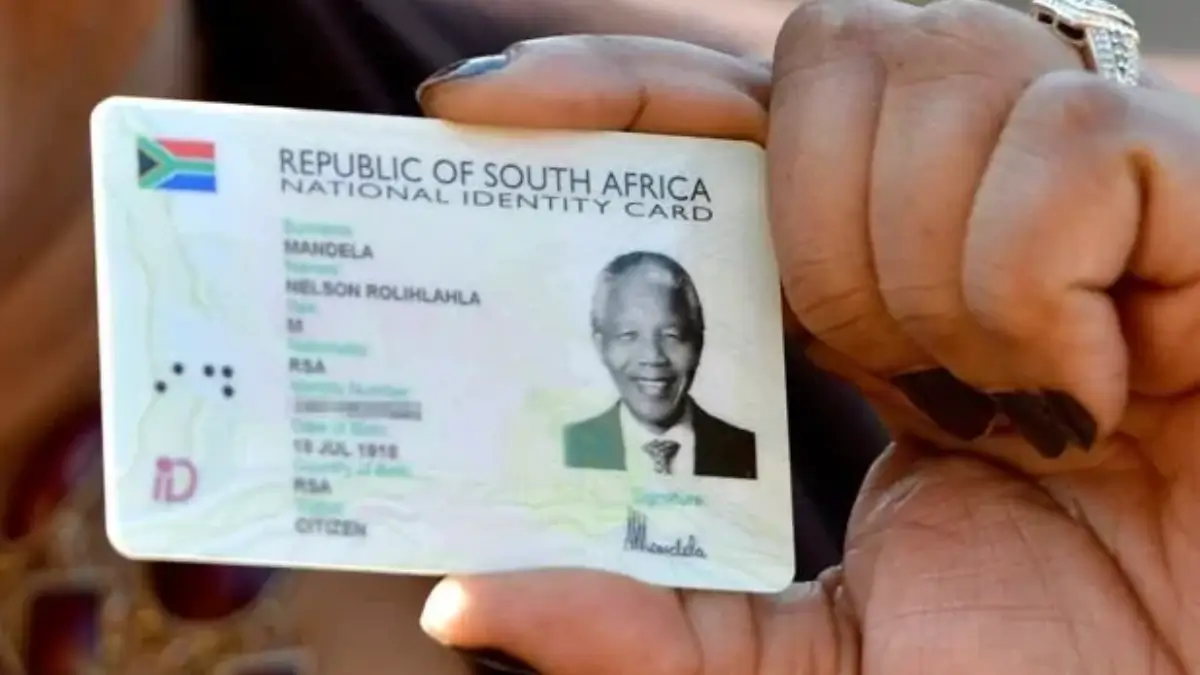
Thousands of South Africans whose identity numbers were blocked before November 2022 have been given until 10 July 2026 to explain why their IDs should be restored. The Department of Home Affairs launched a nationwide campaign this week, inviting affected individuals to submit representations and supporting documents before a final decision is made on their records. Failure to respond could result in the cancellation of affected identity numbers, potentially impacting access to government services, banking, employment and social grants.
The campaign forms part of Home Affairs’ efforts to clean up the National Population Register while giving affected individuals an opportunity to regularise their status.
ALSO READ: Fuel Prices Changing on 3 June 2026: Why Petrol Is Going Up While Diesel Gets Cheaper
Home Affairs Opens National Campaign for Blocked IDs
The Department of Home Affairs announced that individuals whose identity numbers were blocked before November 2022 can now make written or oral representations explaining why their IDs should be restored.
The process is being conducted under Section 3 of the Promotion of Administrative Justice Act (PAJA), which requires government departments to provide affected individuals with an opportunity to be heard before administrative action is taken.
Home Affairs says the initiative aims to balance administrative fairness with the need to protect the integrity of South Africa’s identity management system.
Why Were These Identity Numbers Blocked?
According to Home Affairs, many identity numbers were blocked under Section 19 of the Identification Act.
Common reasons include:
- Duplicate identity records
- Identity records requiring further verification
- Discrepancies in citizenship records
- Cases involving suspected fraud or misrepresentation
- Incorrect personal information appearing on records
The department says each case is unique and requires individual assessment before a final decision can be made.
Who Is Affected?
The campaign specifically targets people whose identity numbers were blocked before November 2022.
While Home Affairs has not released a provincial breakdown, affected individuals may include:
- South African citizens
- Permanent residents
- Individuals with disputed citizenship records
- People whose records contain conflicting information
- Individuals whose identity documentation is under review
Many people only discover their ID has been blocked when they attempt to access services such as banking, employment, grant applications or passport renewals.
The 10 July 2026 Deadline Explained
Home Affairs has given affected individuals until 10 July 2026 to submit representations.
People must visit a Home Affairs office in person to participate in the process.
The department has clarified that:
- Refugee reception centres are excluded
- Bank branch Home Affairs offices are excluded
- Representations must be submitted before the deadline
Failure to respond may result in the department completing the administrative process and cancelling the affected identity number.
What Documents Should You Bring?
Home Affairs is encouraging affected individuals to bring any documentation that can help confirm their identity, citizenship or legal status.
Supporting documents may include:
- Original birth certificates
- Clinic cards
- Confirmation of birth records
- Hospital records
- Parents’ identity documents
- School records
- Affidavits from parents or informants
- Traditional authority letters
- Any additional supporting evidence
The department says providing more documentation may assist officials in verifying a person’s status more efficiently.
Step by Step: How to Restore a Blocked ID
Step 1: Confirm That Your ID Is Affected
If you have previously been informed that your identity number was blocked or flagged for verification, you may qualify for the process.
Step 2: Gather Supporting Documents
Collect any records that can help prove your identity, citizenship or legal status.
Step 3: Visit a Home Affairs Office
Attend any Home Affairs office before 10 July 2026, excluding refugee reception centres and bank branches.
Step 4: Submit Your Representation
Provide written or oral reasons explaining why your identity number should be restored.
Step 5: Await the Outcome
Home Affairs will assess the information submitted before making a final determination.
More Than 2.2 Million IDs Already Restored
Home Affairs says it has already made significant progress in resolving blocked identity records.
According to the department, more than 2.2 million identity numbers have already been unblocked through previous interventions and verification processes.
The latest campaign is aimed at resolving remaining cases that require further engagement with affected individuals.
When Can Home Affairs Cancel an Identity Number?
The department says identity records may ultimately be cancelled if investigations reveal that they:
- Were issued to people who do not qualify for inclusion in the National Population Register
- Contain incorrect personal information
- Were obtained through fraud or misrepresentation
- Were forged, altered or unlawfully manipulated
- Were improperly issued
Officials say each case will be considered individually before action is taken.
What This Means for Gauteng Residents
Gauteng is home to millions of residents who rely on identity documents to access essential services.
A blocked ID can affect a person’s ability to:
- Open or maintain bank accounts
- Apply for employment
- Access social grants
- Register for educational opportunities
- Obtain passports
- Access government services
The Home Affairs campaign provides an opportunity for affected Gauteng residents to address longstanding issues with their records before further administrative action is taken.
Given Gauteng’s large population and significant migration patterns, the province may see high demand at Home Affairs offices in Johannesburg, Tshwane, Ekurhuleni and surrounding areas before the deadline.
Frequently Asked Questions About Blocked IDs
How do I know if my ID has been blocked?
Many people discover their ID is blocked when attempting to access services such as banking, employment applications or government services. Home Affairs can also confirm a person’s status.
When is the deadline to submit representations?
The deadline is 10 July 2026.
Where can I submit my documents?
At any Home Affairs office, excluding refugee reception centres and bank branch offices.
What documents should I bring?
Home Affairs recommends bringing any documents that help prove identity, citizenship or legal status, including birth certificates, school records and parents’ IDs.
Can Home Affairs permanently cancel an ID?
Yes. The department says identity numbers may be cancelled if investigations confirm fraud, incorrect information or unlawful issuance.
What Happens Next?
Home Affairs will continue receiving representations until 10 July before reviewing submissions and making final decisions on affected records. The department has urged all affected individuals to make use of the opportunity while it remains available, warning that failure to participate may result in the cancellation of blocked identity numbers.
