




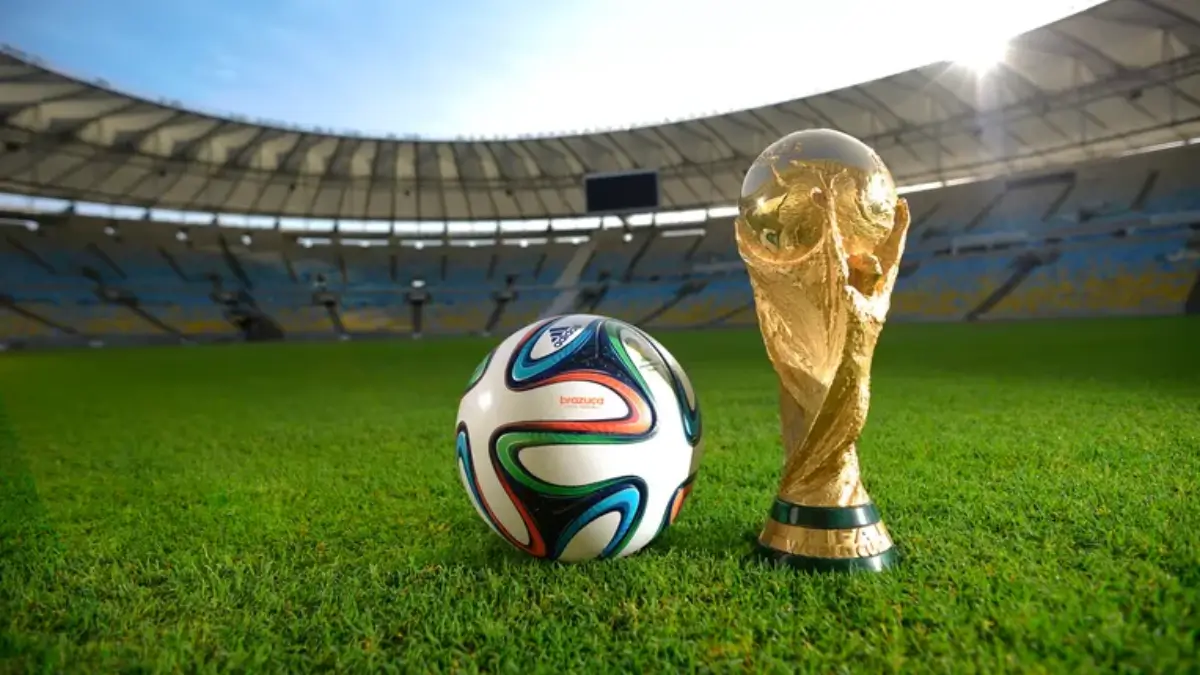
Sixteen years after South Africa hosted the FIFA World Cup, Bafana Bafana are heading back to football’s biggest stage under very different circumstances. In 2010, the country carried the emotional weight of hosting Africa’s first World Cup. In 2026, South Africa returns as a qualified contender hoping to finally move beyond the group stages.
The similarities are impossible to ignore. Once again, Bafana Bafana open their campaign against Mexico – the same fixture that produced Siphiwe Tshabalala’s unforgettable goal at Soccer City in Johannesburg. But this time, football analysts say the national team enters the tournament with stronger tactical structure, greater experience and more realistic expectations.
For many South Africans, the 2026 FIFA World Cup feels less like a celebration of hosting and more like the beginning of a football evolution.
ALSO READ: Bafana Bafana Jersey 2026 World Cup – Where to Buy, Prices and Official Supporters Jerseys
2010 Was About National Pride. 2026 Is About Football Progress
The 2010 FIFA World Cup changed how the world viewed South Africa.
The country became the centre of global sport for a month as:
- stadiums filled with vuvuzelas
- fan parks overflowed
- international tourists arrived in record numbers
- millions watched Africa host football’s biggest event for the first time
For South Africans, the tournament represented:
- unity
- optimism
- African representation
- national pride
But while the atmosphere became legendary, Bafana Bafana still exited in the group stages despite memorable performances against Mexico and France.
The 2026 tournament carries a different type of pressure.
This time:
- South Africa qualified competitively
- expectations are football focused
- the squad is judged tactically, not emotionally
- supporters believe progression is possible
Football analysts say that shift changes everything.
Bafana Bafana Qualified on Merit This Time
One of the defining differences between 2010 and 2026 is how Bafana Bafana reached the tournament.
2010 FIFA World Cup
- Qualified automatically as hosts
- Entered with underdog status
- Relied heavily on emotional momentum and home support
2026 FIFA World Cup
- Qualified through CAF competition
- Defeated strong African opposition
- Arrives with greater tactical credibility
- Carries expectations of genuine competitiveness
South Africa secured qualification after a difficult campaign that showcased:
- defensive organisation
- improved discipline
- structured transitions
- growing squad depth
Under coach Hugo Broos, Bafana Bafana have developed a more balanced identity that many analysts believe is the strongest South African side in years.
Mexico Returns as the Symbolic Opening Opponent
Football rarely repeats history this perfectly.
On 11 June 2010:
- Siphiwe Tshabalala scored one of the most iconic goals in World Cup history
- Soccer City erupted
- South Africa drew 1-1 with Mexico in the opening match
Now, 16 years later, South Africa once again begin their World Cup journey against Mexico.
South Africa vs Mexico Then and Now
| 2010 | 2026 |
|---|---|
| Hosts of the World Cup | Qualified through CAF competition |
| Soccer City opener | Estadio Azteca opener |
| Emotional underdogs | Competitive outsiders |
| Tshabalala generation | Appollis generation |
| Nation hosting the world | Nation chasing football progress |
For many supporters, the repeat fixture feels symbolic of how South African football has evolved since 2010.
Why Analysts Believe This Team Is Different
International football analysts increasingly describe South Africa as a possible dark horse ahead of the tournament.
Several factors are driving that belief.
Tactical Growth
Under Hugo Broos, Bafana Bafana have become:
- more defensively organised
- tactically disciplined
- compact without possession
- more effective in transition
Improved Squad Balance
The current squad combines:
- experienced senior internationals
- younger attacking players
- greater tactical flexibility
- improved physical competitiveness
Growing Belief
Perhaps most importantly, the squad appears mentally different from previous generations.
There is less fear and more confidence.
UEFA licensed football analyst John Walker recently praised:
- South Africa’s pressing structure
- transition play
- left side attacking combinations
- overall tactical balance
“They’ve been impressive in qualifying,” Walker said in a recent tournament analysis.
The Children of 2010 Are Now Carrying Bafana’s Hopes
Many members of the current squad grew up watching the 2010 FIFA World Cup.
For several players, the images of:
- Tshabalala’s goal
- packed fan parks
- vuvuzelas
- South Africa hosting the world
became the reason they pursued professional football.
That emotional connection gives the 2026 squad unique significance.
The players representing South Africa now belong to the first football generation directly inspired by a World Cup hosted on African soil.
For supporters, that creates a sense of football coming full circle.
Where Are the Heroes of 2010 Today?
The players who carried South Africa through the 2010 FIFA World Cup remain some of the country’s most recognisable football figures.
Siphiwe Tshabalala’s strike against Mexico remains one of the defining moments in South African sporting history. Tshabalala has since retired from professional football but remains deeply connected to the legacy of 2010.
Former captain Aaron Mokoena moved into football leadership and media roles after retirement, while goalkeeper Itumeleng Khune became one of the most enduring football icons of the post 2010 generation.
Other stars from that era, including Steven Pienaar and Katlego Mphela, helped shape one of the country’s most emotionally important football teams.
Now, players such as:
- Oswin Appollis
- Percy Tau
- Teboho Mokoena
- Evidence Makgopa
carry the responsibility of taking South African football further than previous generations managed.
How Gauteng Could Relive the 2010 World Cup Atmosphere
Gauteng is expected to once again become the emotional centre of South Africa’s World Cup experience.
During the 2010 tournament:
- fan parks filled across Johannesburg and Pretoria
- sports bars overflowed
- township streets transformed into viewing spaces
- football jerseys dominated malls and public spaces
Areas including:
- Soweto
- Sandton
- Braamfontein
- Maboneng
- Pretoria CBD
became gathering points for supporters.
In 2026, the viewing culture may look different, but analysts expect the atmosphere to return.
Supporters are likely to follow matches through:
- streaming platforms
- rooftop screenings
- township viewing events
- social media watch parties
- restaurant activations
- mall fan experiences
Hospitality businesses and tourism operators across Gauteng may also benefit if Bafana progress deep into the tournament.
Why 2026 Could Become Bigger Than 2010
The emotional significance of hosting the 2010 FIFA World Cup may never be matched.
But football success tells a different story.
If Bafana Bafana:
- reach the knockout stages
- defeat major nations
- establish themselves competitively
then 2026 could become South Africa’s greatest football achievement.
2010 changed how the world viewed South Africa.
2026 could change how the world views South African football.
What This Means for Gauteng Residents
Bafana Bafana’s return to the FIFA World Cup is expected to drive major football activity across Gauteng.
Residents can expect:
- increased public viewing events
- football themed campaigns
- fan gatherings
- tourism activity
- hospitality demand during matches
The tournament may also revive memories of 2010 for older supporters while creating a first true World Cup experience for younger football fans.
For many South Africans, 2026 feels like more than a football tournament.
It feels like a second chance at football history.
Frequently Asked Questions
When did South Africa last play at the FIFA World Cup?
South Africa last appeared at the FIFA World Cup in 2010.
Who do Bafana Bafana play first in 2026?
South Africa open their tournament against Mexico.
Has South Africa ever reached the World Cup knockout stages?
No. Bafana Bafana have never progressed beyond the group stage.
Why is the Mexico fixture important?
South Africa also opened the 2010 FIFA World Cup against Mexico at Soccer City.
Who coaches Bafana Bafana in 2026?
The national team is coached by Hugo Broos.
What Happens Next?
Bafana Bafana are expected to continue preparations ahead of the June 2026 FIFA World Cup, with warm up fixtures, squad announcements and supporter campaigns expected to intensify in the coming months.
Municipalities, tourism stakeholders and event organisers across Gauteng are also likely to begin planning public viewing events and fan experiences as South Africa prepares for its first FIFA World Cup appearance in 16 years.
