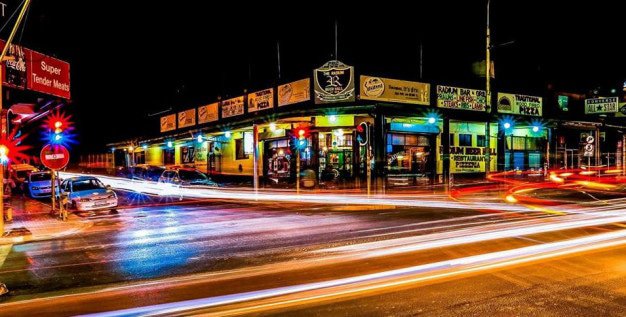


Many of those former residents have since relocated to the northern suburbs, and although their strong cultural influence still remains, Fordsburg today is also a melting pot of different immigrant cultures ranging from Nepalese to Syrian, Turkish to Iraqi, Emirati to Ethiopian.
Fordsburg has a dramatic history of turmoil and flux. In the 1920s, the oppressive apartheid regime attempted to secure it as a residential area for whites-only miners. But ironically, in 1922, those same white miners were shelled and came under fire from government troops when they went on strike to publicly protest against the employment of cheap black labour. Look out for the plaque in Fordsburg Square commemorating those who died.
Forced removals of the population in the 1950s to the Indian-only suburb of Lenasia, 35km south-west of Johannesburg, was another chapter in Fordsburg’s history of ebb and flow.
A walk through Fordsburg is a drenching of the senses. See bright clothes, fezzes and headscarves, glittering authentic and artificial jewellery, colourful religious icons, posters, and trinkets from India. Inhale delicious cooking smells from sizzling street food, and heady scents wafting from spice, incense and perfume shops.
Taste freshly squeezed juices and coconut milk, bread baked on a traditional griddle on a street corner, sweetmeats and cakes of all kinds (one famous bakery – the appropriately named Divine Bakery – is housed in a former Lebanese church with its original roof beams and pillars still intact). Hear a cacophony of different languages and feel the fresh fruit and vegetables heaped up on pavement stalls.
The nearby Oriental Plaza, a unique cultural shopping experience and indoor bazaar with over 360 individually owned shops and stores, is one of Johannesburg’s favourite shopping centres, and attracts people from all over Gauteng.
Remember, however, that because the population of Fordsburg is still predominantly Muslim, many restaurants do not serve alcohol and shops are closed during Friday prayer times.