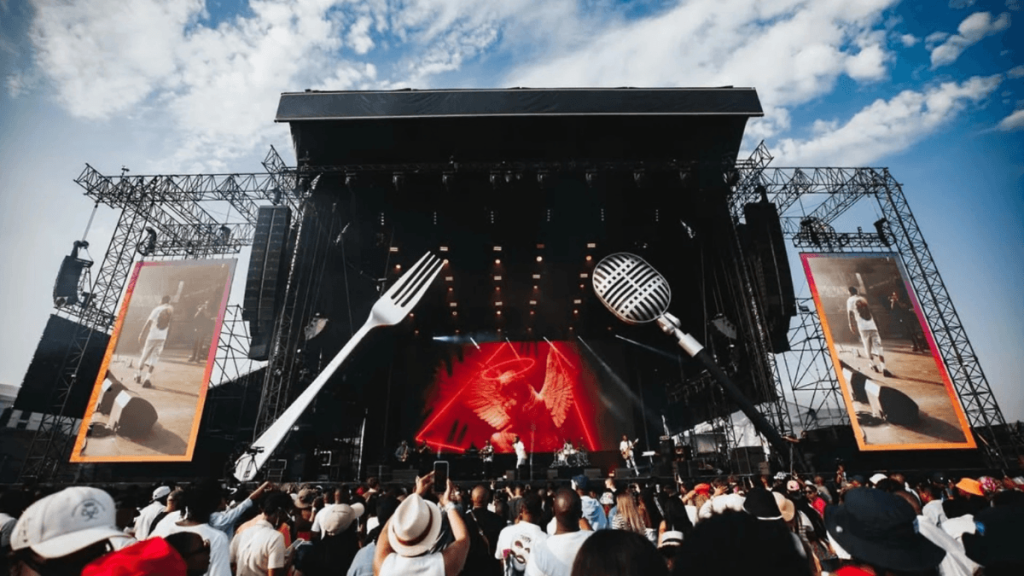
Music tourism has moved decisively from the margins to the centre of global travel and destination economics. What was once considered niche leisure activity has evolved into one of the most powerful drivers of tourism demand, reshaping how travellers choose destinations, how long they stay and how much they spend.
By 2025, 55% of global travellers were planning trips around music festivals and live events. Among Gen Z, that number rises sharply to 75%. Music tourism is no longer simply cultural — it is economic, with the global market projected to reach USD 13.8 billion by 2032, more than doubling its 2023 value.
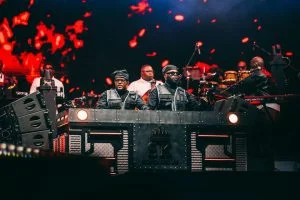
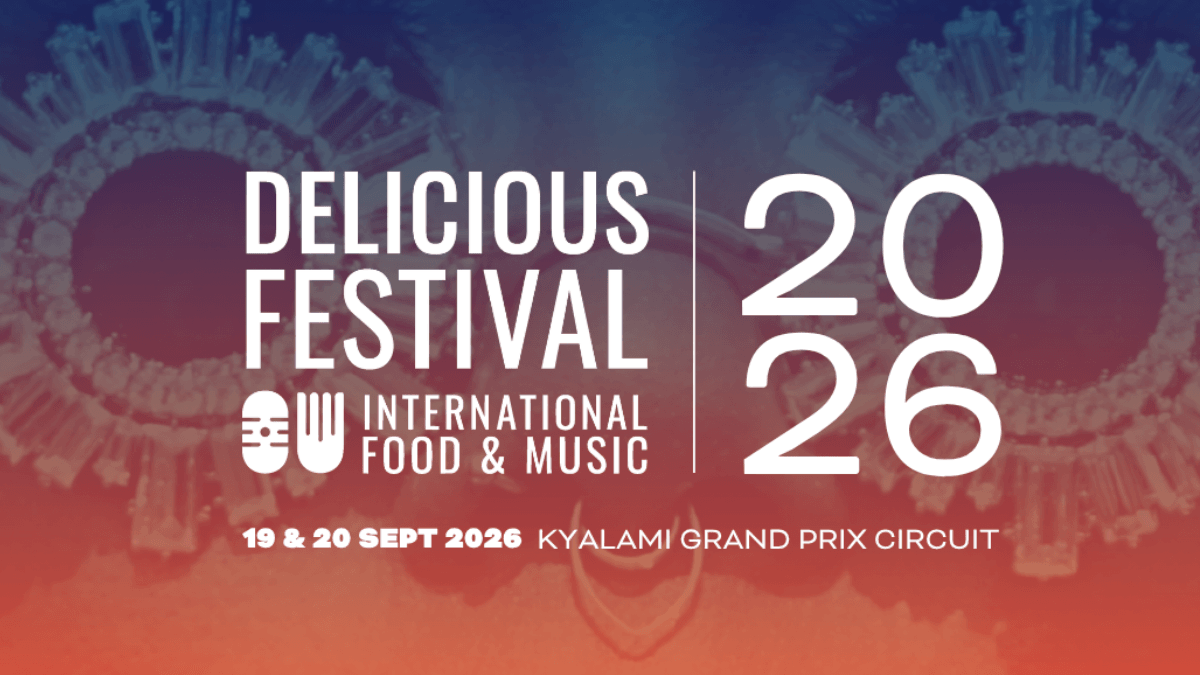
Against this global shift, Gauteng’s flagship lifestyle platforms — particularly the Delicious International Music & Food Festival, now entering its 13th year — must be recognised not as entertainment luxuries, but as strategic provincial, national and continental assets.
A Moment of Transition — Not Retreat
The conclusion of the 12-year title partnership between MultiChoice, DStv and the Delicious Festival has drawn understandable attention. Yet history shows this is not a story of decline — it is the beginning of strategic renewal.
Delicious enters its next phase with powerful fundamentals:
a proven international brand, a loyal travel-ready audience, a mature production ecosystem, strong institutional partnerships and growing continental cultural relevance.
Gauteng has experienced this cycle before. When Standard Bank Joy of Jazz lost its title sponsor, the festival did not collapse. It adapted, endured and ultimately regained sponsorship support. The lesson is clear: strong intellectual property outlives sponsorship cycles.
The Global Multiplier Gauteng Can Leverage
Across the world, live music events are generating extraordinary tourism returns.
Major global tours and festivals consistently drive spikes in travel demand, hotel occupancy and visitor spending. Music tourists do not travel for concerts alone — they seek immersive lifestyle experiences including dining, fashion, nightlife, retail and cultural exploration.
Every phase of an event — before, during and after — becomes an opportunity for brands, small businesses and destinations to capture value. This is especially true among younger travellers:
- 45% of Gen Z travellers allocate budget specifically for music experiences
- 39% prioritise live events when choosing travel destinations
- One-third of concertgoers travel more than 160 km, while a growing segment travels over 800 km for major performances
Gauteng’s strengths — world-class infrastructure, extensive airlift capacity, accommodation diversity and advanced production capability — position the province uniquely to benefit from this growth.
Beyond physical attendance, events like Delicious generate significant media and digital value. In one Heritage Weekend edition, more than 600 media representatives attended, amplifying Gauteng’s cultural narrative across Africa and international markets. This extended exposure dramatically increases the lifespan and return on investment of the event well beyond the festival weekend.
Naming Rights and Market Confidence
Crucially, Delicious is not operating in isolation. Gauteng continues to demonstrate strong market confidence in naming rights and sponsorship-led investment.
Recent developments — including stadium naming rights partnerships, the sustained global visibility of major football brands, and major corporate investment into premium sporting platforms — reflect a consistent pattern: brands invest where audiences, infrastructure and cultural relevance converge.
These are not symbolic gestures. They are commercial endorsements of Gauteng’s event economy and its ability to deliver measurable return on investment.
This investment confidence has also been reinforced through recent provincial investment initiatives, which secured over R2.4 billion in committed funding, strengthening Gauteng’s development pipeline and reinforcing its role as South Africa’s economic engine.
Tourism, the creative industries and the visitor economy have now been formally recognised as core pillars of Gauteng’s Economic Growth & Development Plan — not as cultural add-ons, but as employment-driving sectors central to long-term economic resilience.
Events as Economic Infrastructure
The continued growth of Delicious must also be understood in the context of tourism recovery and destination rebuilding.
Following the disruption of global travel, Gauteng deliberately used signature events as economic catalysts — restoring visitor confidence, stimulating demand and normalising large-scale gatherings. Delicious became a flagship example of this recovery strategy.
Beyond ticket sales, the festival has:
- Driven hotel and guesthouse occupancy across Johannesburg and surrounding areas
- Stimulated domestic and regional travel from across South Africa and neighbouring markets
- Repositioned Gauteng as a leading lifestyle, culinary and music destination
Events of this scale are now recognised as visitor economy infrastructure — directly linked to employment, procurement and skills development.
Building Skills, Jobs and Industry Capacity
Over 13 years, Delicious has quietly built one of the most sophisticated event-driven skills pipelines in South Africa.
Through the Delicious Trader Academy, supported by industry partners, more than 400 entrepreneurs have been trained — many now mentoring emerging businesses. The programme integrated skills development, mentorship and market access into a flagship festival platform — an industry first.
The festival has also contributed to the growth of:
- Event producers
- Technical and sound engineers
- Hospitality professionals
- Logistics and safety specialists
- Venue and operations managers
South Africa’s globally respected events supply chain did not emerge by chance — it was built through consistent demand created by platforms like Delicious.
Proven Economic Impact
The impact of Delicious is measurable, not theoretical.
In a single festival edition:
- Approximately R268 million in direct economic value was generated
- More than 2 000 jobs were activated across the value chain
- Over 300 SMMEs participated, with an estimated R8 million injected into small businesses
- Attendance exceeded 60 000 visitors
- More than 2 000 regional tickets were sold into Botswana alone
The benefits extended far beyond the festival gates. Accommodation providers, transport operators, caterers, retailers and informal traders all experienced measurable revenue growth.
For many businesses, particularly in hospitality, the festival represented the first meaningful post-pandemic trading recovery.
This is what event-led economic development looks like in practice.
The Cost Reality and the Future Model
Delivering world-class festivals today costs significantly more than it did a decade ago.
International artist fees have surged, exchange rate volatility continues to impact purchasing power, and production compliance costs are rising sharply. Yet audience expectations remain global-standards, quality global headliners, and seamless and memorable experience.
This reality makes one conclusion unavoidable: the future of major events lies not in single-sponsor dependency, but in multi-partner ecosystems — combining corporate investment, broadcast partnerships and destination-led support.
Such shared-value models distribute risk while expanding opportunity.
A Strategic Opening for New Partners
The transition at Delicious also creates space for new anchor partners — particularly public broadcasters and cultural institutions — to play a transformative role.
Strategic partnerships can unlock:
- Expanded digital content distribution
- Greater visibility for local artists and chefs
- Increased tourism marketing reach
- Integrated storytelling across music, food and heritage
With Gauteng positioned as a continental hub of creativity, the opportunity extends beyond commerce — it speaks to cultural leadership and African storytelling.
Music, Food and the African Moment
In a world increasingly shaped by uncertainty and geopolitical instability, Africa’s soft power — music, food, culture and human connection — carries growing global relevance.
Music and cuisine transcend language and geography. They connect communities, create memory and shape identity.
Gauteng must therefore continue to invest boldly in its cultural economy — not defensively, but strategically — anchoring iconic platforms like Delicious within broader industrial and tourism development frameworks.
Importantly, Delicious has never functioned as a standalone event.
Through complementary initiatives such as citywide activations and precinct-based experiences, the festival period has been used to extend visitor stays, increase local spending and showcase Gauteng’s broader tourism offering — from township culinary trails to nightlife, heritage and retail experiences.
This reflects global best practice: using major events as anchors, not endpoints — encouraging visitors to arrive earlier, stay longer and return frequently.
The Call to Action
This conversation is bigger than one festival.
It is about defining Gauteng’s role as Africa’s leading lifestyle, entertainment and tourism destination. Corporate South Africa, public institutions, development finance agencies and media organisations must recognise a simple truth:
Iconic events are economic infrastructure.
They create jobs, grow skills, stimulate travel and project national confidence.
A revitalised and future-proof Delicious International Music & Food Festival is not only culturally relevant — it is economically essential to Gauteng’s visitor economy, skills pipeline and global positioning.
The fundamentals already exist.
The infrastructure is proven.
The audience is growing.
The economic return is measurable.
The next chapter is not uncertain — it is an opportunity.
The Time is Now – Ke Nako !!
By: Barba Gaoganediwe
Chief Destination Marketing Evangelist
Gauteng Tourism Authority (@VisitGauteng)